Jesus Encounters With Demons: Chronological Deliverance Stories and Spiritual Lessons

The Gospel accounts provide a vivid, unfiltered look into the spiritual reality that underlies our physical world. When Jesus began His public ministry, His arrival did not just trigger political or religious tension; it provoked an immediate, violent reaction from the cosmic dark forces holding humanity captive. Understanding the various Jesus encounters with demons recorded in Scripture isn't just a matter of historical or theological curiosity. Instead, looking closely at these narratives provides believers with an essential roadmap for spiritual warfare, authority, and freedom today.
Throughout His earthly ministry, Jesus demonstrated absolute, effortless sovereignty over the demonic realm. While religious leaders argued over traditions and legalism, unclean spirits instantly recognized the presence of the Creator in human flesh. By examining these events in the order they occurred, we can see a progressive revelation of Christ's identity and power. Every interaction was more than a miracle of physical or mental healing—it was a strategic dismantling of Satan's kingdom. Let’s dive deep into the chronological history of these supernatural events to see what they teach us about the unseen world.
The Authority of the Word: Early Jesus Encounters With Demons

1. The Unclean Spirit in the Capernaum Synagogue
- Scripture References: Mark 1:21–28; Luke 4:31–37
The first public demonstration of Jesus’ supernatural authority over evil spirits occurred in a place of religious worship. While teaching on the Sabbath in Capernaum, a man possessed by an unclean spirit suddenly interrupted the service. The demon cried out, recognizing Jesus as "the Holy One of God" and asking if Christ had come to destroy them. Jesus flatly rebuked the spirit, saying, "Be quiet, and come out of him!" After throwing the man into convulsions and shrieking loudly, the spirit fled.
The Deep-Dive Lesson: This encounter shatters the myth that spiritual darkness only hides in obviously wicked places. The demon was sitting quietly in a house of God until the authoritative, truth-filled teaching of Jesus forced it into the light. Light naturally exposes darkness. Furthermore, Jesus refused to accept testimony from a demonic source, even though the demon was stating a theological truth ("the Holy One of God"). We learn that the enemy often mixes truth with deception to gain a foothold, but the absolute authority of the Word of God requires no validation from evil forces. Deliverance begins when we allow the pure truth of Scripture to expose and silence the hidden strongholds in our lives.
2. The Healing of Demoniacs at Evening
- Scripture References: Matthew 8:16–17; Mark 1:32–34; Luke 4:40–41
Directly following the synagogue deliverance and the healing of Peter’s mother-in-law, word spread like wildfire through Capernaum. By evening, the locals brought everyone who was sick or demon-possessed to the doorstep. The Gospels note that Jesus cast out the spirits "with a word" and healed all the sick, fulfilling the prophecy of Isaiah regarding the bearing of our infirmities. Again, He strictly forbade the demons to speak because they knew He was the Christ.
The Deep-Dive Lesson: This collective healing event illustrates the sheer, effortless nature of Christ’s power. Jesus did not engage in long, drawn-out rituals, dramatic incantations, or exhausting psychological battles. He drove out multi-generational, deeply entrenched dark forces with nothing more than a spoken word. For believers, this emphasizes that spiritual authority is not based on our emotional volume, long-winded speeches, or personal strength. It rests entirely on the identity of Jesus and the power of His spoken will. When studying these foundational Jesus encounters with demons, we see that Satan’s kingdom has no defensive mechanism that can withstand the direct command of the Savior.
Territorial Warfare and Desperation: Mid-Ministry Jesus Encounters With Demons

3. The Blind and Mute Demoniac (The Blasphemy Controversy)
- Scripture References: Matthew 12:22–30; Luke 11:14–23
In this pivotal account, Jesus healed a man whose demonic oppression manifested as total blindness and inability to speak. Once the demon was expelled, the man immediately saw and spoke, leaving the crowds astonished. However, the Pharisees, unable to deny the supernatural reality of the miracle, maliciously claimed that Jesus was casting out demons by the power of Beelzebul, the prince of demons. Jesus exposed their logical fallacy, pointing out that a kingdom divided against itself cannot stand, and declared that His deliverances were proof that the Kingdom of God had arrived.
The Deep-Dive Lesson: This encounter teaches us that demonic oppression can have direct, physical manifestations, blinding and silencing its victims spiritually and physically. More importantly, Jesus uses this moment to explain the cosmic strategy of warfare: "How can anyone enter a strong man’s house and carry off his possessions unless he first ties up the strong man?" Jesus didn't just manage symptoms; He bound the spiritual "strong man" to reclaim human lives. It also serves as a sobering warning against spiritual blindness—the Pharisees were so hardened in heart that they attributed the pure, liberating work of the Holy Spirit to the devil himself.
4. The Gerasene Demoniac (Legion and the Pigs)
- Scripture References: Matthew 8:28–34; Mark 5:1–20; Luke 8:26–39
Perhaps the most intense and detailed of all the Jesus encounters with demons took place across the Sea of Galilee in the region of the Gerasenes. A man possessed by a massive collective of spirits calling themselves "Legion" lived among the tombs. He was naked, cut himself with stones, possessed supernatural physical strength to break chains, and cried out in constant agony. Upon seeing Jesus, the demons terrorized the man into bowing down, begging not to be sent into the Abyss. Jesus permitted them to enter a nearby herd of two thousand pigs, which promptly rushed down a steep bank into the sea and drowned. The man was later found sitting down, fully clothed, and in his right mind.
The Deep-Dive Lesson: The story of Legion reveals the ultimate, destructive agenda of Satan: total degradation, isolation, self-harm, and death. Yet, despite the terrifying power of thousands of coordinated spirits, they were completely helpless in the presence of Christ. They had to beg for permission just to occupy livestock. This narrative teaches us that no matter how shattered, unmanageable, or isolated a human life has become under the weight of spiritual bondage, Christ's deliverance brings total restoration. The transformation was so absolute that the local community was shocked to see a formerly violent madman transformed into a peaceful evangelist for his home region.
Breaking Intergenerational Curses: Final Jesus Encounters With Demons

5. The Syrophoenician Woman's Daughter
- Scripture References: Matthew 15:21–28; Mark 7:24–30
Traveling to the Gentile regions of Tyre and Sidon, Jesus was approached by a Greek woman of Syrophoenician descent. Her young daughter was suffering terribly from demonic possession. She cried out desperately for mercy, calling Him the "Son of David." After a profound dialogue testing her faith, where Jesus emphasized His primary mission to the house of Israel, the woman displayed immense humility and persistent faith. Jesus commended her, saying, "For this answer, go; the demon has left your daughter." The woman returned home to find her child lying peacefully in bed, fully delivered.
The Deep-Dive Lesson: This account stands out among the various jesus encounters with demons because it is a long-distance deliverance. Jesus never laid hands on the girl, never saw her, and never spoke directly to the spirit. He simply declared her free based on the mother’s faith. This teaches us that spiritual authority is completely independent of physical proximity. It also highlights the power of intercessory warfare. The mother fought the spiritual battle on behalf of her helpless child, refusing to take no for an answer. Her humility and fierce persistence show us that active faith is a powerful weapon in breaking spiritual bondages over our families and households.
6. The Boy with an Unclean Spirit (The Epileptic Symptoms)
- Scripture References: Matthew 17:14–21; Mark 9:14–29; Luke 9:37–43
Immediately coming down from the Mount of Transfiguration, Jesus walked into a scene of chaos. A desperate father had brought his son—who was possessed by a spirit that made him mute, caused violent seizures, and repeatedly threw him into fire and water to destroy him—to the disciples. However, the disciples were completely unable to cast it out. When the father turned to Jesus in desperate hope, Jesus rebuked the unbelief of the generation, commanded the foul spirit to leave the boy, and permanently forbade it from ever re-entering him. The boy was instantly healed and restored to his father.
The Deep-Dive Lesson: This specific event highlights the tragic, target-oriented nature of evil spirits targeting vulnerable youth to cut off their futures early in life. The spirit's pattern of throwing the boy into fire and water shows a calculated design to bring about premature death. Jesus' complete victory here demonstrates that while human efforts and religious rituals fall short, His spoken decree creates an unbreakable, permanent boundary of protection ("and never enter him again"). It sets up a vital, deep-dive examination of spiritual dynamics that every believer must master.
Why the Disciples Failed: The Deep Reality of Fasting and Prayer
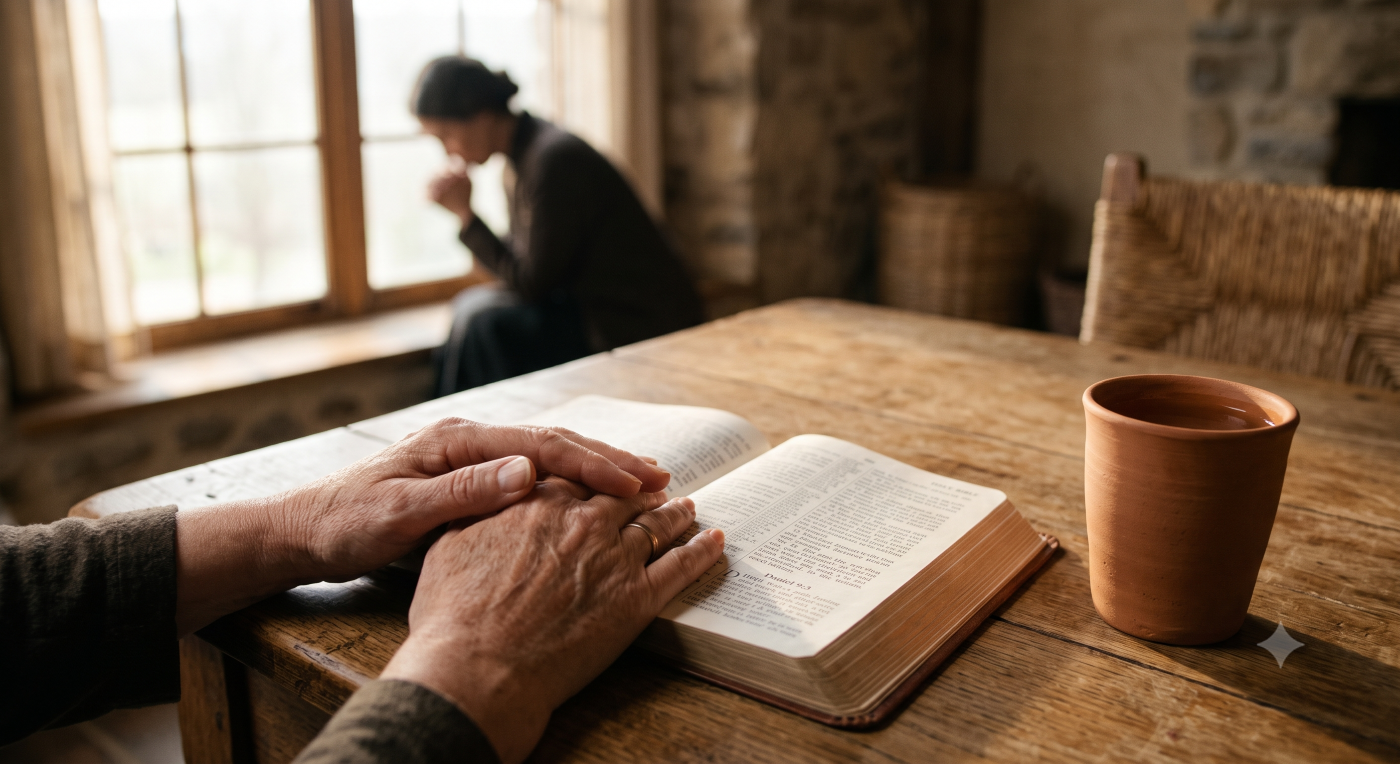
After the crowds dispersed and the boy was safely restored to his family, the disciples approached Jesus privately with a burning question that had deeply embarrassed them: "Why couldn't we drive it out?" (Matthew 17:19). Up to this point in their ministry, they had traveled around successfully healing diseases and casting out spirits using the authority Jesus delegated to them in Luke 10. Yet, faced with this specific boy's condition, their prayers and commands had proven entirely fruitless.
Jesus' response provides one of the most critical keys to understanding advanced spiritual warfare found anywhere in the Gospels. He initially told them it was because of their "little faith," but He then added a vital spiritual distinction recorded in Mark 9:29: "This kind can come out by nothing but prayer and fasting." (Some ancient manuscripts include both terms, highlighting the tandem discipline).
"This kind can come out by nothing but prayer and fasting." — Mark 9:29
This statement reveals a profound truth about the unseen world: there is a hierarchy of spiritual wickedness, and some demonic strongholds are far more deeply entrenched, stubborn, and malicious than others. While Jesus had absolutely no trouble handling any of these varied Jesus encounters with demons, the disciples discovered that their baseline, routine level of spiritual authority was insufficient for a deeply rooted, highly destructive spirit. They had treated the situation with a sense of casual, habitual repetition, relying on past victories rather than current spiritual alignment.
Jesus was teaching them that certain intense spiritual battles require a deeper level of personal consecration. Fasting does not change God, nor does it alter the raw authority of Christ's name; rather, fasting and prayer change us. These twin disciplines crucify the flesh, sharpen our spiritual senses, eliminate hidden unbelief, and align our spirits deeply with the Holy Spirit. By starving the physical desires of the flesh and intentionally feasting on God's presence through prayer, a believer's spiritual authority is focused and intensified. To overcome the most stubborn strongholds of the enemy, we cannot rely on superficial, formulaic prayers. We must walk in a lifestyle of deep, sustained consecration.
Walking in the Victorious Authority of Jesus Christ
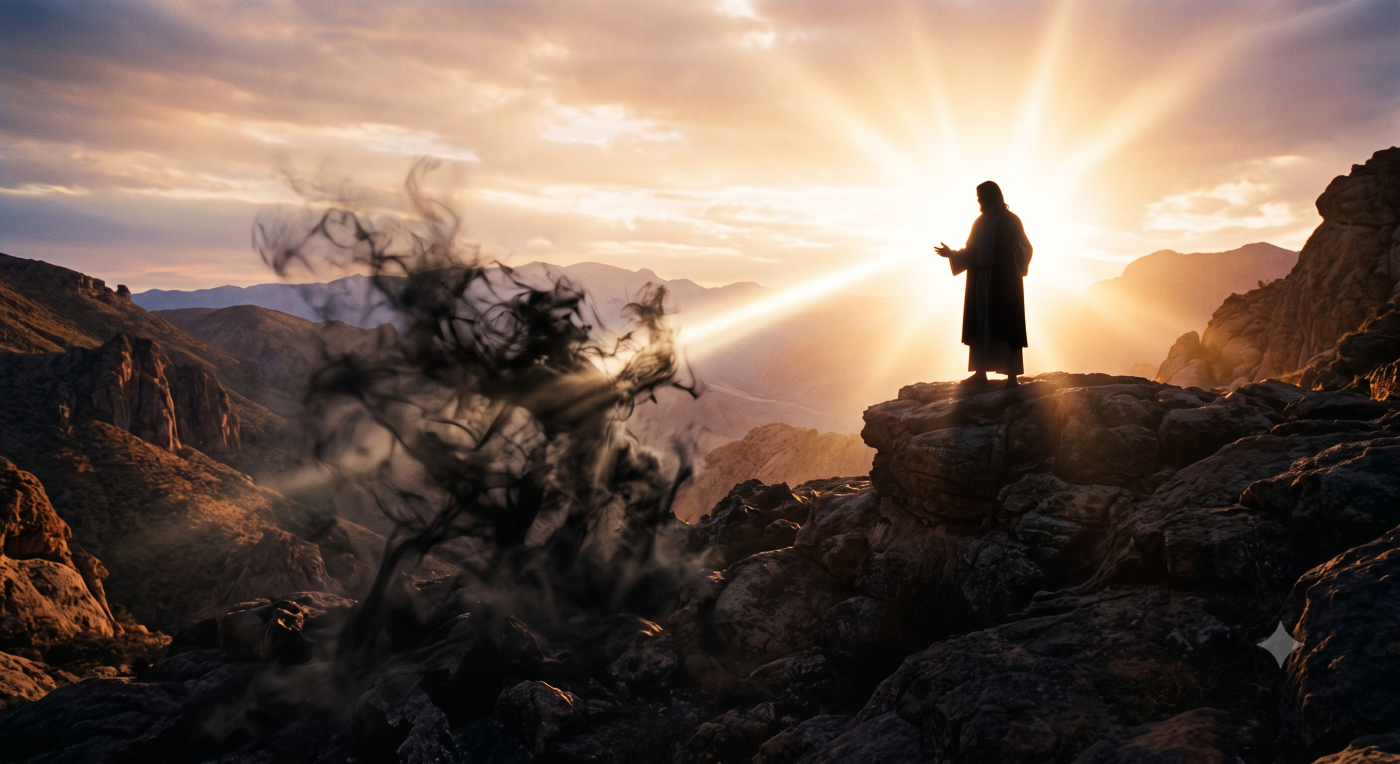
When we review all the distinct Jesus encounters with demons across the timeline of the Gospels, a clear and undeniable pattern emerges: absolute, unconditional surrender from the kingdom of darkness. Whether dealing with a single spirit hiding inside a Capernaum synagogue or a massive legion of thousands of frantic spirits dominating a man in a Gentile graveyard, Jesus never met a spiritual match. Every demon faced Him with deep terror, recognized His absolute authority, and ultimately obeyed His spoken word.
As believers, our takeaway from these historical encounters is not to fear the unseen world, but to walk boldly in the delegated authority of the One who conquered it. Jesus has already broken the power of the strong man, disarmed the principalities of darkness, and given His church the keys to the kingdom. By abiding deeply in Him, maintaining a dedicated lifestyle of prayer and fasting, and standing firmly on the truth of Scripture, we can successfully identify, confront, and demolish every spiritual stronghold that tries to assert itself in our families, ministries, and communities today.
For a deeper theological breakdown on how Christ’s authority differed from ordinary first-century teachers during these supernatural events, you can read this excellent study guide: Casting out Demons: A Study on Biblical Authority.
Continue Your Deep Dive Into Scripture and the Supernatural
If you want to continue exploring the unseen world, biblical history, and the profound nature of Christ's identity, be sure to read our other deep-dive articles:
- Is Jesus God? – The demons instantly recognized Jesus as the divine Son of the Most High. Dive deep into the scriptural evidence, old prophecies, and eyewitness testimonies that establish the absolute deity of Jesus Christ.
- Ancestral Spirits and The Afterlife – How do biblical teachings on the spiritual realm compare to cultural beliefs about the dead? Explore what Scripture actually says regarding the state of souls and the reality of the unseen world.
- Is Soul Sleep Biblical? – What happens the exact moment a believer or unbeliever closes their eyes in death? Examine the passages often used to support "soul sleep" and see how they hold up against the full counsel of God’s Word.
- The Repentance of King Manasseh – Before Christ came to break the chains of darkness, King Manasseh became one of the most spiritually bound rulers in Israel's history through witchcraft and idolatry. Discover how God's unbelievable grace reached down to restore him in his darkest hour.


