Is Jesus God? Examining the Biblical Evidence
The question "Is Jesus God?" is the most significant inquiry one can make regarding the Christian faith. While various world religions view Jesus through different lenses—as a prophet in Islam, a great teacher in the New Age movement, or a historical figure by secular standards—the Bible presents a much more profound reality. To understand the biblical perspective, we must look beyond titles and examine the attributes, actions, and direct claims made by Jesus Christ Himself.
If Jesus is not God, then the Christian faith is built on a foundation of sand. However, if the scriptures verify His divinity, then He is the central figure of all human history and the only source of eternal life. In this study, we will dive deep into the scriptures to answer the question: Is Jesus God? We will look at His role in the beginning of time, His sustaining power over the universe, and the specific names He used to identify Himself as the Almighty.
The Creator and Sustainer: How the Bible Answers "Is Jesus God?"
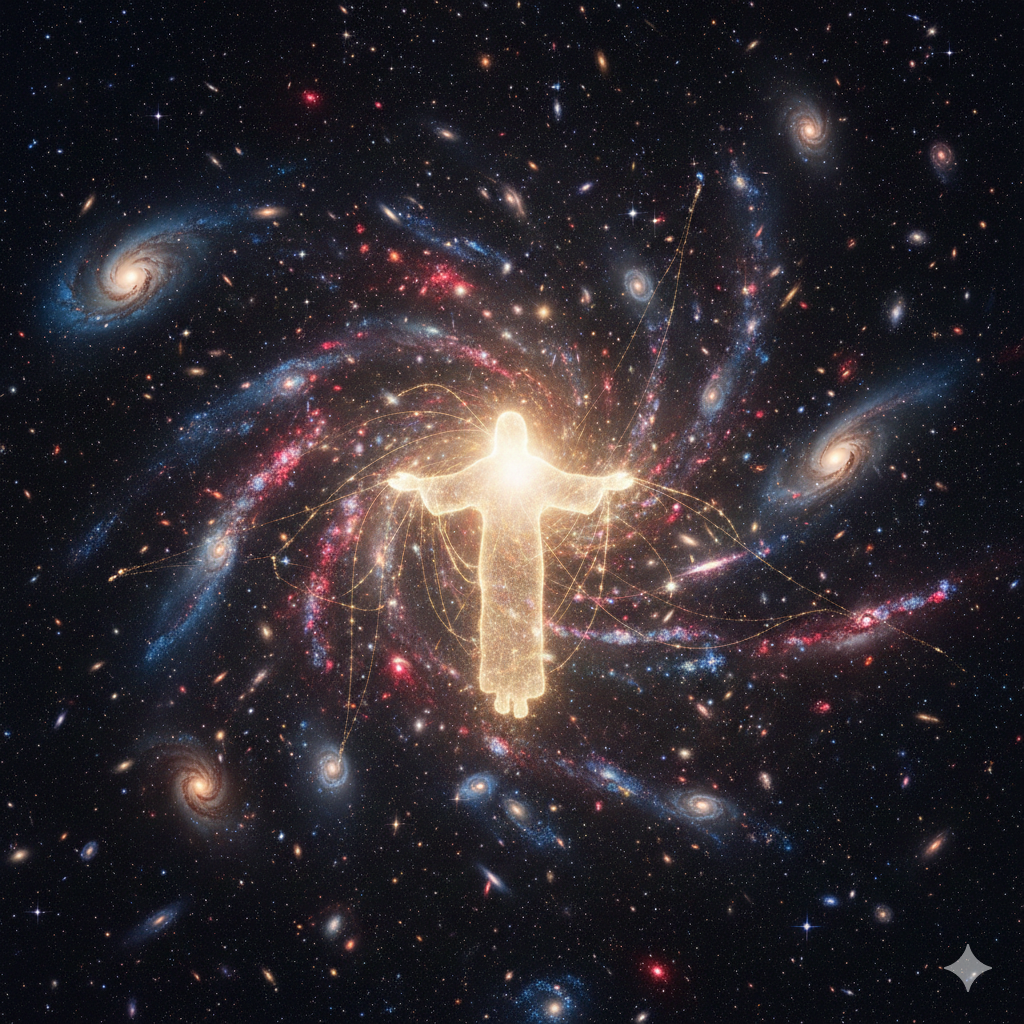
One of the most powerful proofs of Jesus’ divinity is His direct involvement in the creation and maintenance of the universe. Genesis 1:1 famously states, "In the beginning God created the heavens and the earth." Later, in Genesis 1:26, we see a plural reference: "And God said, Let us make man in our image, after our likeness." This plural "us" hints at the triune nature of God, which is fully revealed in the New Testament.
The Apostle Paul provides a definitive answer to the question in Colossians 1:15-17. Speaking of Jesus, he writes: "Who is the image of the invisible God, the firstborn of every creature: For by him were all things created, that are in heaven, and that are in earth, visible and invisible, whether they be thrones, or dominions, or principalities, or powers: all things were created by him, and for him: And he is before all things, and by him all things consist."
This passage establishes three critical facts:
1. He is the Creator: All things, visible and invisible, were made by Him.
2. He is the Purpose: All things were created for Him.
3. He is the Sustainer: By Him, all things "consist" or are held together.
If Jesus is the one holding the atoms of the universe together at this very moment, there is no doubt that He possesses the power only God can hold.
The "I AM" Statements: Jesus Claims the Name of God
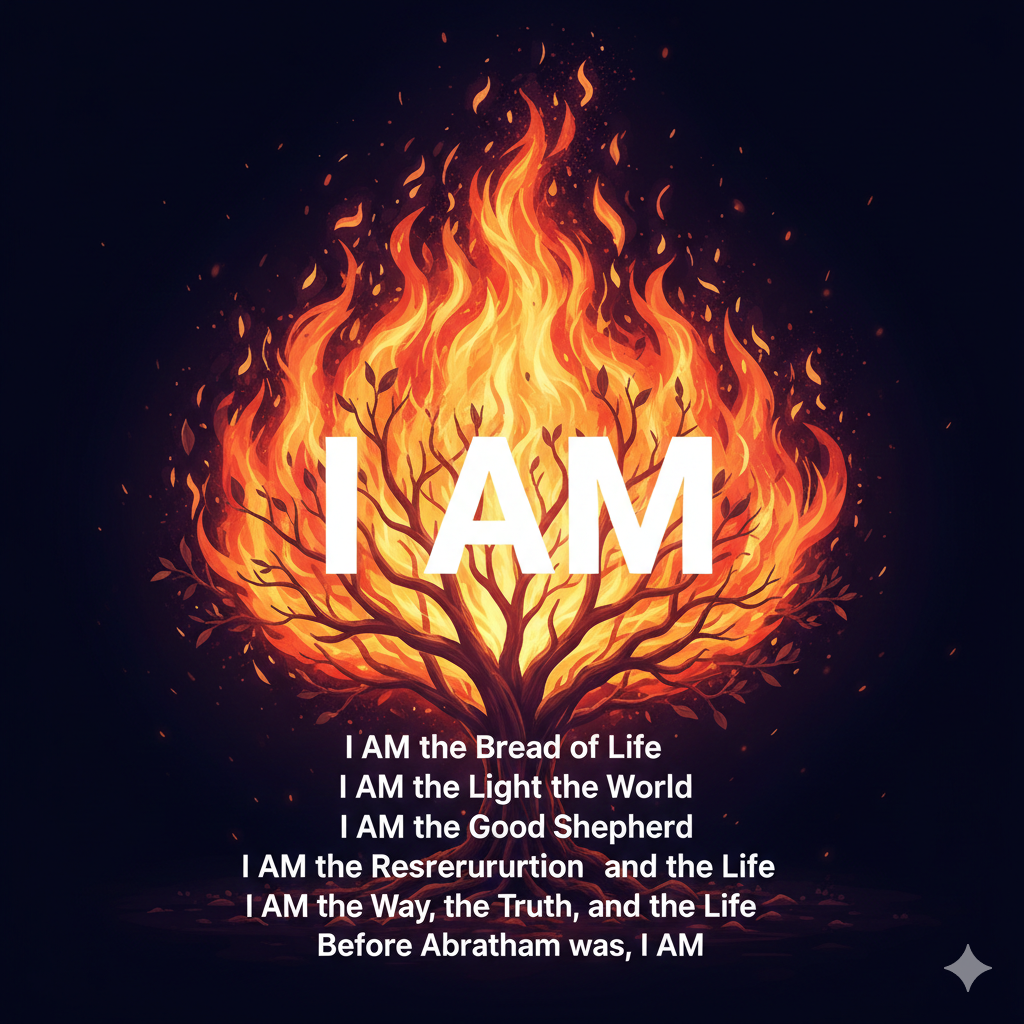
To further explore the question, "Is Jesus God?", we must look at how Jesus identified Himself. In the book of Exodus, when Moses asked God for His name, God replied, "I AM THAT I AM" (Exodus 3:14). This established "I AM" (Yahweh) as the personal, eternal name of the Lord.
In the Gospel of John, Jesus uses this specific title repeatedly to signal His divinity to the Jewish people:
- "Before Abraham was, I AM" (John 8:58): This was a direct claim to eternal existence. The Jews understood this perfectly, as they immediately picked up stones to kill Him for blasphemy.
- "I am the bread of life" (John 6:35): Claiming to be the only source of spiritual nourishment.
- "I am the light of the world" (John 8:12): Identifying as the source of all truth and life.
- "I am the door" (John 10:9): The only entry point to salvation.
- "I am the good shepherd" (John 10:11): Fulfilling the Old Testament imagery of God as the Shepherd of Israel.
- "I am the resurrection and the life" (John 11:25): Claiming power over death itself.
- "I am the way, the truth, and the life" (John 14:6): Declaring that no one comes to the Father except through Him.
- "I am the true vine" (John 15:1): The source of all spiritual vitality.
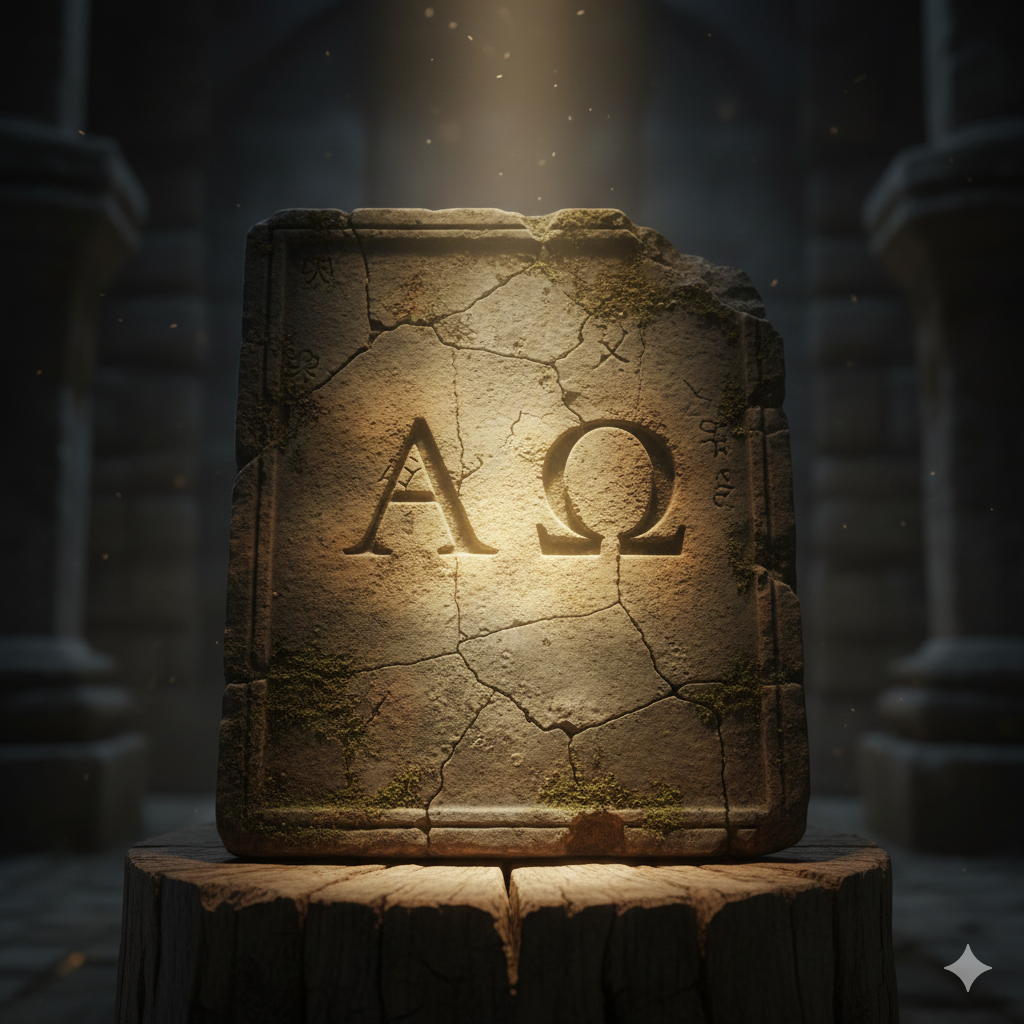
Even in the final book of the Bible, Jesus reaffirms this identity. In Revelation 1:8, He says, "I am Alpha and Omega, the beginning and the ending, saith the Lord, which is, and which was, and which is to come, the Almighty." By taking the title "The Almighty," Jesus leaves no room for doubt regarding His status as God.
The Word Made Flesh: Why We Believe Jesus Is God
The Gospel of John begins with a theological masterpiece that serves as a cornerstone for believing that Jesus is God. John 1:1 says, "In the beginning was the Word, and the Word was with God, and the Word was God." He continues in verse 14, "And the Word was made flesh, and dwelt among us." John identifies Jesus as "The Word"—the expression of God's mind and power. By stating the Word was God and then became flesh, John is describing the Incarnation. This is the "mystery of godliness" mentioned in 1 Timothy 3:16: "God was manifest in the flesh, justified in the Spirit, seen of angels, preached unto the Gentiles, believed on in the world, received up into glory."
The evidence is not just in His words, but in the names given to Him. Isaiah 7:14 prophesied that He would be called "Immanuel," which Matthew 1:23 interprets as "God with us." If His name is "God with us," then His nature must be divine.

The Final Verdict on the Question: Is Jesus God?
When we weigh the evidence—the creation of the universe, the sustaining of all life, the "I AM" declarations, and the eyewitness accounts of the Apostles—the conclusion is inescapable. Jesus did not just claim to be a "good man" or a "representative"; He claimed to be one with the Father. He told Philip in John 14:9, "He that hath seen me hath seen the Father."
The Jewish leaders of His time understood this claim perfectly. In John 10:33, they said, "For a good work we stone thee not; but for blasphemy; and because that thou, being a man, makest thyself God." They didn't crucify Him for His miracles; they crucified Him because He claimed the authority and identity of the Almighty.
As you look at these scriptures, you must decide for yourself. Is Jesus God? If the Bible is the true word of God, then the answer is a resounding "Yes." He is the Creator, the Sustainer, the "I AM," and the Savior who manifest in the flesh to bring us back to Himself.
Explore More Biblical Truths
Understanding the divinity of Jesus is just the beginning of exploring the deep mysteries found in the scriptures. If you found this study on Is Jesus God? helpful, you may want to dive deeper into how His power impacts the spiritual world and our daily lives. Explore these related topics to continue your journey through the "unseen world" of biblical reality:
Additional Proof of Jesus’ Divinity
For more scriptural evidence, visit Jesus Christ is God Incarnate, which provides a detailed comparison of verses proving Jesus is the Almighty.


