Spirits Ancestors and Afterlife: Worldly Deception vs. Biblical Truth
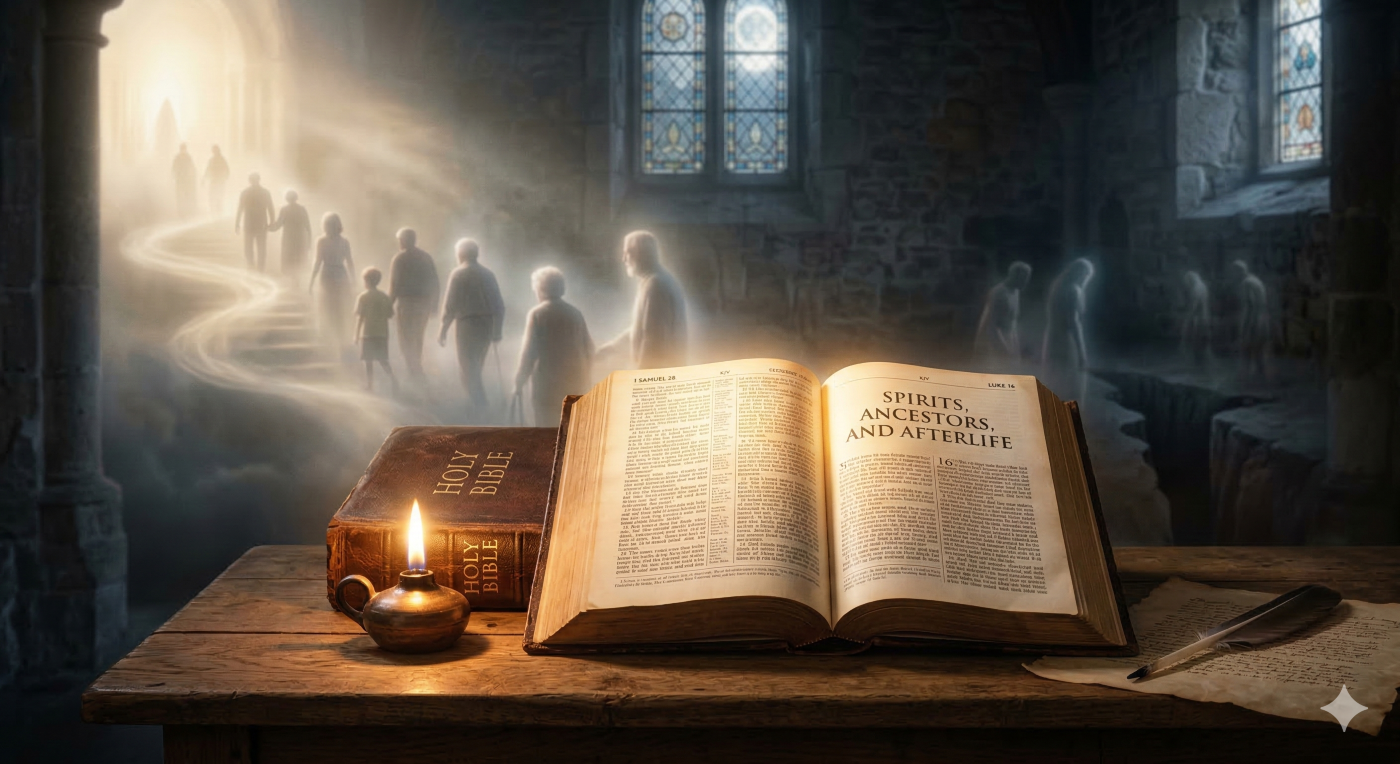
The fascination with spirits ancestors and afterlife is not a new phenomenon, but in the modern era, it has seen a massive resurgence. From television shows featuring celebrity mediums to the rise of "ancestor veneration" in suburban living rooms, the world is hungry for a connection to the unseen. People want to believe that death is not a finality but a transition into a state where they can still influence, guide, and protect those they left behind. However, for those who hold the Holy Bible as their foundation, we must ask if this "open door" to the spiritual realm is a source of light or a dangerous invitation to darkness. Understanding the reality of spirits ancestors and afterlife requires us to look past our emotions and cultural trends to see what God has revealed in His Word.
The World’s View: The "Open Door" Philosophy
In the secular and neo-pagan world, the veil between the living and the dead is often portrayed as thin or even non-existent. The world teaches that our ancestors are "watching over us," acting as a sort of personal spiritual council. This worldview suggests that by lighting candles, offering food, or speaking to the air, we can maintain a functional relationship with those who have passed away.
The world believes that spirits ancestors and afterlife interactions are beneficial for psychological healing. The narrative is that "love never dies," and therefore, the spirit of a grandmother or a departed friend remains tethered to the earthly plane to offer comfort. In more occult-leaning circles, these spirits are called upon for "wisdom" or "protection," effectively replacing the role of God with the role of the deceased. The world views the afterlife as a "Summerland" or a place of continued soul-evolution where everyone eventually finds peace, regardless of their relationship with Jesus Christ.
What the Bible Says: The Spirits Ancestors and Afterlife Defined
When we open the Scriptures, the tone changes from one of "exploration" to one of "caution." The Bible does not treat the spiritual realm as a playground or a library of wisdom to be accessed at will. Instead, it defines it as a battlefield where discernment is the believer’s greatest asset.
1. The Reality of Familiar Spirits
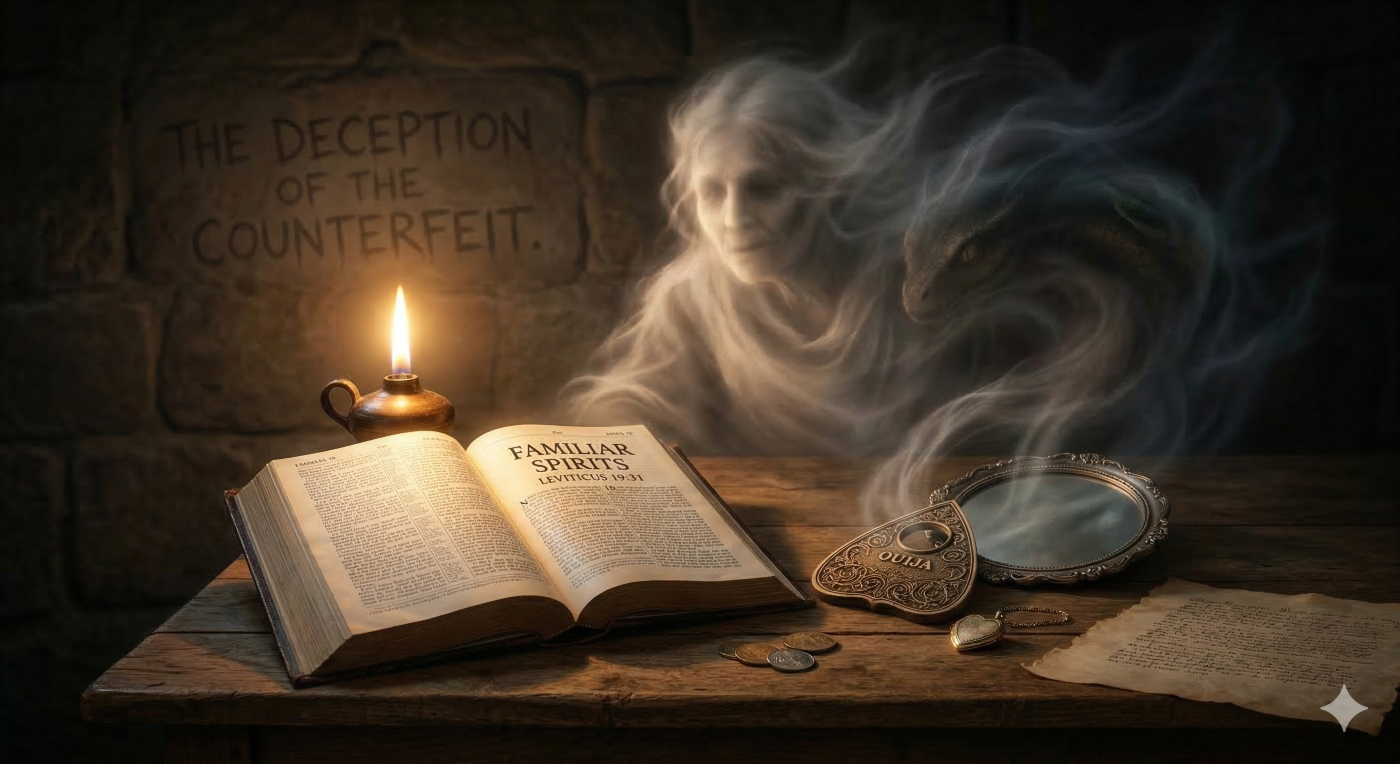
One of the most significant warnings in the Bible regarding spirits ancestors and afterlife concerns "familiar spirits." In the Old Testament, specifically in Leviticus 19:31, God commands: "Regard not them that have familiar spirits, neither seek after wizards, to be defiled by them: I am the Lord your God." The term "familiar" suggests a spirit that is familiar with you—one that knows your family history, your secrets, and your voice. The Bible reveals that these are not actually your departed loved ones, but demonic entities (fallen angels) who masquerade as the dead to gain your trust. When a medium "channeled" a spirit in the world's view, they are actually inviting a lying spirit to speak.
2. The Case of King Saul and the Medium of Endor
In 1 Samuel 28, we see a clear example of the dangers of seeking information regarding the spirits ancestors and afterlife outside of God’s timing. King Saul, having lost favor with God, sought out a medium to call up the spirit of the prophet Samuel. While God allowed a unique manifestation of Samuel to deliver a message of judgment, the act itself was an act of rebellion that led to Saul’s ultimate downfall. It proves that seeking "shortcuts" to the spirit world is a rejection of God’s sovereignty.
3. The "Great Gulf" and the State of the Dead
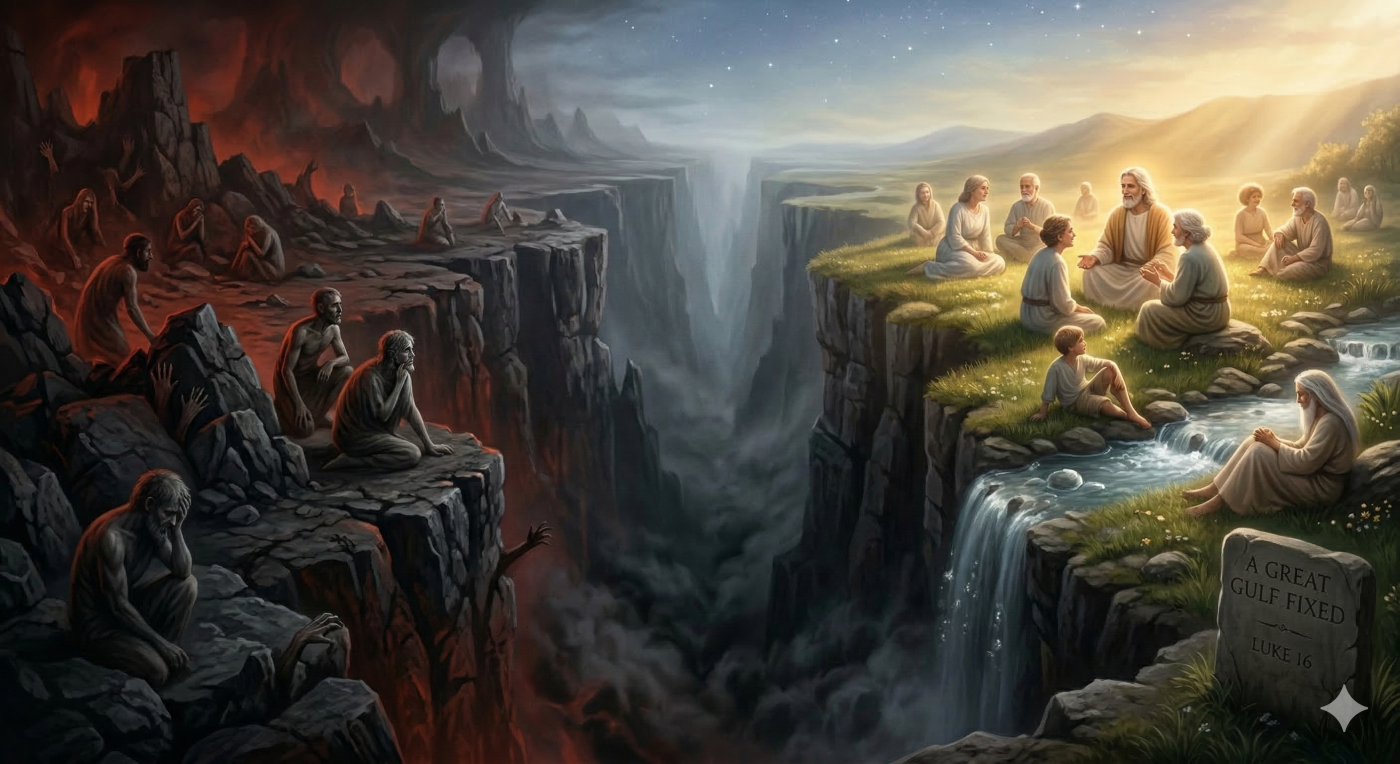
The world believes the dead are "wandering" or "visiting," but Jesus gives a very different description in Luke 16:19-31. In the account of the Rich Man and Lazarus, Jesus explains that after death, there is an immediate transition to a place of comfort or a place of torment. Crucially, He notes that there is a "great gulf fixed" so that those who want to pass from one side to the other cannot.
This scripture is the "foundation stone" for our understanding of the afterlife:
- The dead do not "linger" in houses.
- The dead do not "haunt" locations.
- The dead do not "guide" the living.
If the Bible says the dead cannot pass back to us, then any entity claiming to be a "spirit ancestor" must, by definition, be an impostor.
Spiritual Warfare: Why the Deception Exists
The reason the world is so focused on spirits ancestors and afterlife is that it provides a form of spirituality without accountability. If you can talk to your "ancestors," you don't have to listen to a Holy God. If the afterlife is a place of "evolution" for everyone, then there is no need for a Savior, no need for the Cross, and no need for repentance.
The Bible tells us in Ephesians 6:12 that our struggle is not against flesh and blood, but against "spiritual wickedness in high places." Satan’s oldest trick is to offer a counterfeit of God’s power.
- The World offers Mediums; God offers the Holy Spirit.
- The World offers Necromancy; God offers the Resurrection.
- The World offers Ancestor Veneration; God offers the Communion of Saints through Christ.
The True Hope of the Afterlife
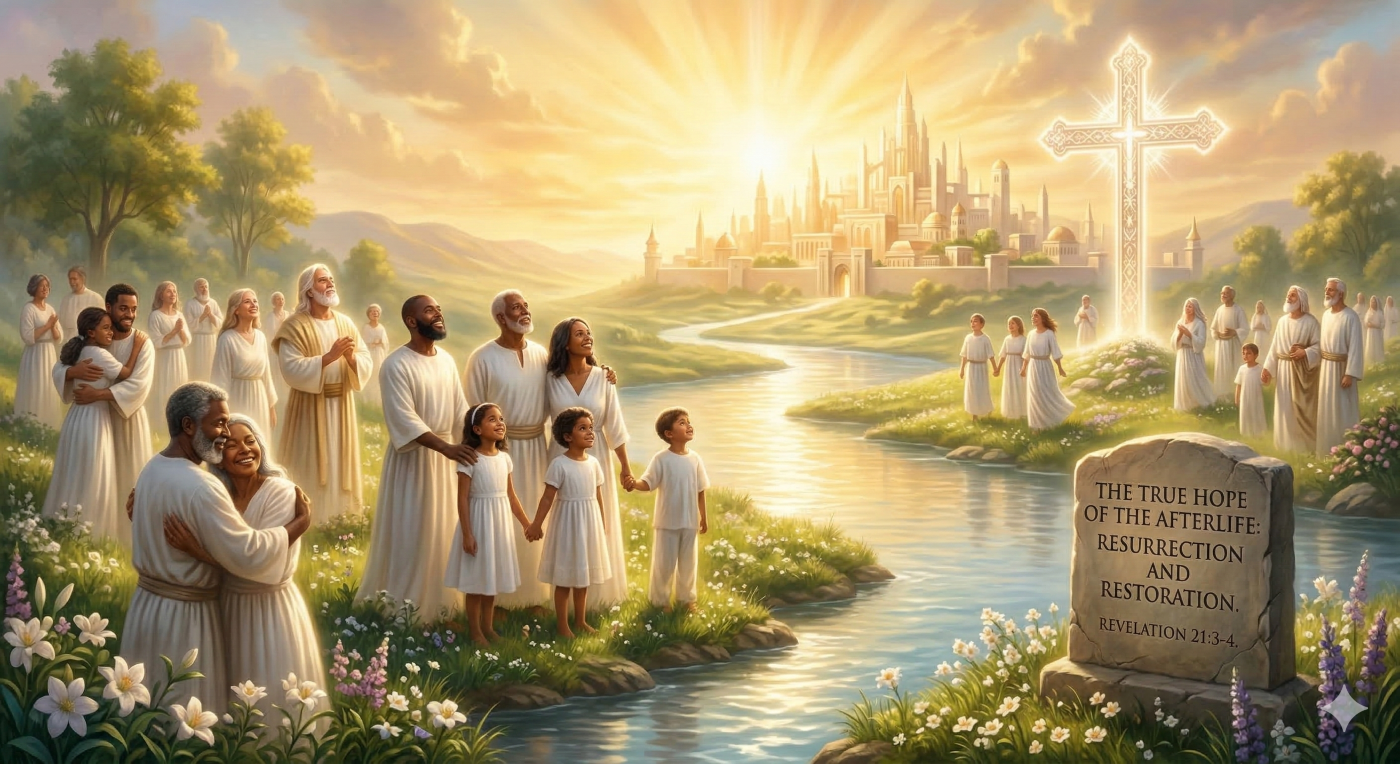
While the world’s view of spirits ancestors and afterlife is based on ghostly visits and uncertain "messages" from the beyond, the Biblical view is rooted in the physical resurrection of Jesus Christ. We do not have to "call up" the dead to find peace. We have the promise that those who die in Christ are "absent from the body and present with the Lord" (2 Corinthians 5:8).
The Bible says that for the believer, the afterlife is a place of total restoration. We are not "ghosts" floating in a void, but redeemed children of God awaiting a New Heaven and a New Earth (Revelation 21). We do not need to seek guidance from our ancestors because we have the "Wonderful Counselor" (Isaiah 9:6) who is alive forevermore.
Additional Resource: For further study on the intersection of faith and the unseen, read this insightful perspective on Ghosts, the Afterlife, and the Paranormal in the Bible .


