Astrology and the Bible
Many people today look to the stars for guidance, but when we examine the relationship between astrology and the bible, we find a clear distinction between seeking the creation and seeking the Creator. Understanding how these two worldviews clash is essential for anyone trying to navigate spiritual truth in a world filled with horoscopes and zodiac signs. While the stars are indeed beautiful, the Bible suggests they serve as a testament to God's power rather than a roadmap for our daily decisions.
What Does Astrology Teach?

Astrology teaches that the positions and movements of celestial bodies—such as the sun, moon, and planets—directly influence human affairs and natural events. It suggests that the "alignment of the stars" at the moment of a person's birth determines their personality traits, destiny, and daily fortunes. Essentially, astrology operates on a system of cosmic determinism where the physical universe dictates the spiritual and emotional path of an individual.
In this system, practitioners use charts and "monthly prognosticators" to predict future events. The core belief is that by decoding the language of the heavens, one can gain an advantage in life, avoid trouble, and find success. It places the power of "knowing" in the hands of the astrologer and the messages found within the zodiac, rather than in the hands of a sovereign God.
What Does the Bible Say About This?

The Bible presents a radically different perspective on the heavens. While Scripture acknowledges that God created the sun, moon, and stars for "signs and seasons" (Genesis 1:14), it strictly forbids using them as a means of divination or worship. The biblical worldview is that God alone is sovereign over human destiny, not the stars He created. When we look at astrology and the bible, we see that God views the stars as His handiwork, meant to declare His glory, not to control our behavior.
The Warning of Isaiah 47
Isaiah 47 stands out as the most direct warning against these practices. In this chapter, God addresses the city of Babylon, which was famous for its reliance on occult wisdom. The prophet mocks the futility of their "stargazers" and "monthly prognosticators," challenging them to save the city from the coming judgment.
Isaiah 47:13-14 says:
"You are wearied in the multitude of your counsels; let now the astrologers, the stargazers, and the monthly prognosticators stand up and save you from what shall come upon you. Behold, they shall be as stubble; the fire shall burn them; they shall not deliver themselves from the power of the flame."
This illustrates the primary biblical stance: seeking guidance from the stars leads to spiritual weariness and offers no real protection or truth. It is a hollow substitute for the living Word of God.
A Deeper Look at Isaiah 47: The Failure of the "Stargazers"
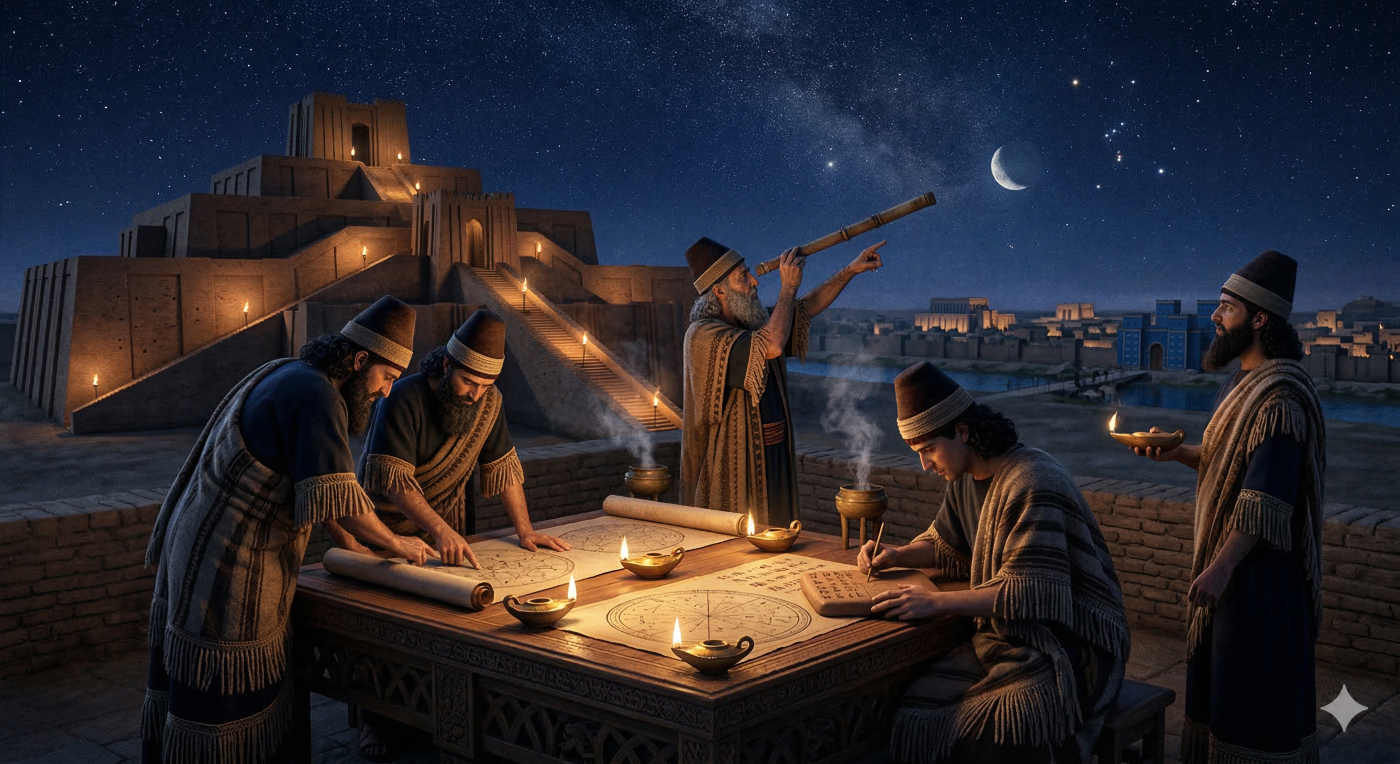
When we analyze the relationship between astrology and the bible, Isaiah 47 provides the most comprehensive "case study" on why celestial divination fails. This chapter is a funeral dirge for Babylon, a nation that prided itself on being the world's center for astronomical and astrological knowledge. The Babylonians did not just view the stars as a hobby; they built their entire national security and political strategy around the "wisdom" of the heavens.
In Isaiah 47:13, the prophet uses biting irony to expose the exhaustion that comes from these practices: "You are wearied in the multitude of your counsels." This reveals a profound spiritual truth: seeking answers in the stars is a "wearying" endeavor. It requires constant calculations, updates, and interpretations that never offer a final, peaceful answer.
The Bible specifically names three types of practitioners in this passage:
- The Astrologers: Those who divided the heavens into zones to map out human fate.
- The Stargazers: Those who watched for specific celestial omens or "lucky" alignments.
- The Monthly Prognosticators: Those who issued daily or monthly horoscopes, much like the "Your Daily Horoscope" columns found in modern magazines.
God’s challenge to them is simple: if these stars truly have power, let them save you from the judgment that is coming. The result, according to the Bible, is total failure. The "wisdom" of astrology and the bible cannot coexist because one is based on the shifting movements of created objects, while the other is based on the unchanging word of the Creator.
Daniel’s Contrast: Divine Revelation vs. Astrological Guesswork
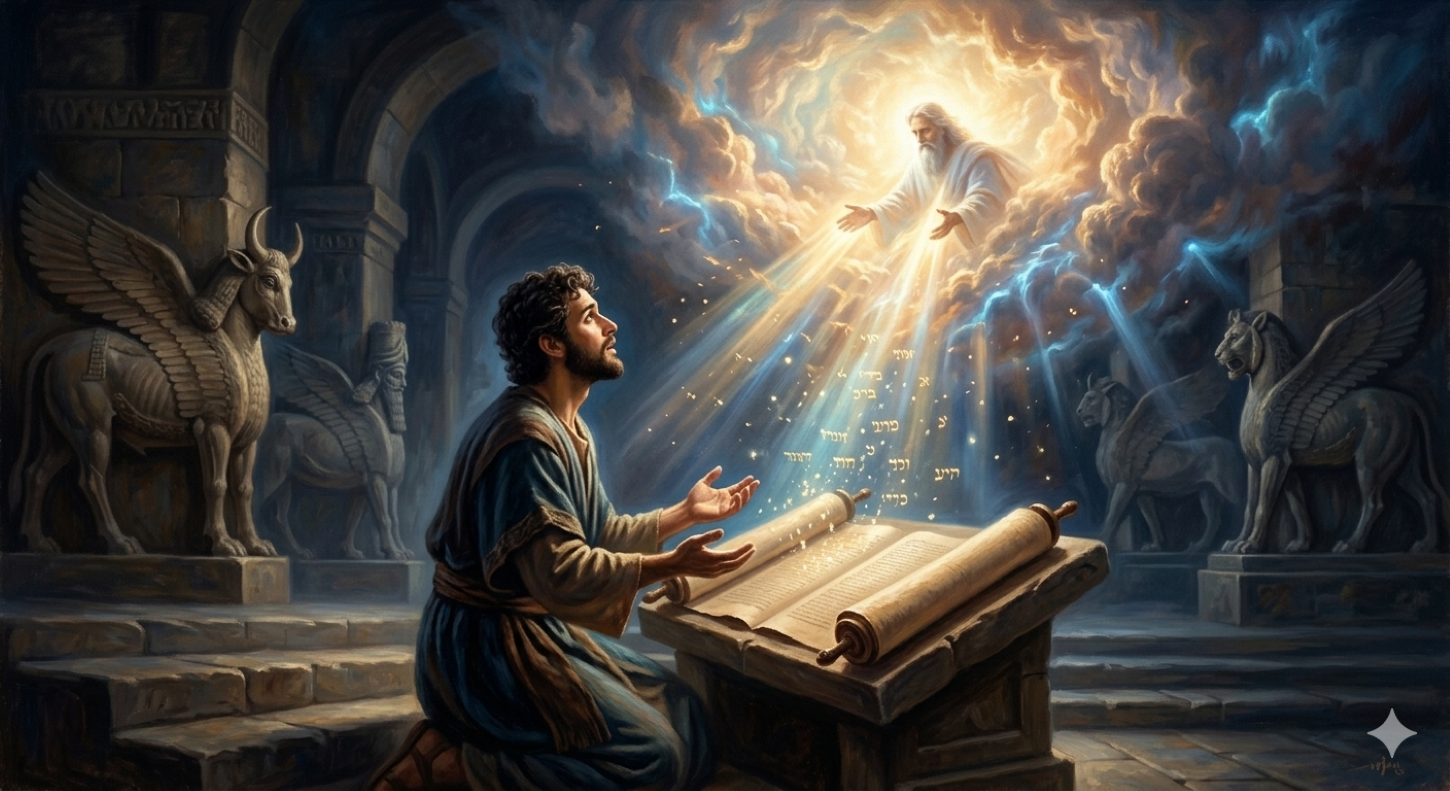
Another essential chapter in the discussion of astrology and the bible is found in the Book of Daniel. Like Isaiah, the narrative of Daniel takes place in the heart of Babylon. King Nebuchadnezzar had a dream that troubled his spirit, and he called upon his "magicians, and the astrologers, and the sorcerers" to tell him not only the interpretation but the dream itself.
The astrologers’ response in Daniel 2:10 is a stunning admission of their limitations: "There is not a man upon the earth that can shew the king's matter... except the gods, whose dwelling is not with flesh."
This highlights the fundamental flaw in astrology: it is a human attempt to reach into the divine realm without the Divine’s permission. Daniel, however, prayed to the God of Heaven. When Daniel successfully revealed the dream, he made a point to distinguish between his God and the stars:
"The secret which the king hath demanded cannot the wise men, the astrologers, the magicians, the soothsayers, shew unto the king; But there is a God in heaven that revealeth secrets..." (Daniel 2:27-28).
This historical account serves as a reminder that while astrologers are limited to observing patterns and making educated guesses, those who follow the God of the Bible have access to the Truth through the Holy Spirit. In the battle of astrology and the bible, the Bible consistently demonstrates that God’s wisdom begins where the stars’ "wisdom" ends.
The Theological Danger: Why It Matters Today
You might ask why the Bible takes such a hard stance against something as seemingly "lighthearted" as a zodiac sign. The reason is found in the First Commandment: "Thou shalt have no other gods before me."
When we look at astrology and the bible, we see that astrology is a form of "soft" idolatry. It attributes characteristics and powers to the planets that belong only to God. For example:
- Omniscience: Believing the stars know your future.
- Sovereignty: Believing the planets control your personality or success.
- Providence: Looking to the "alignment" of Mars or Venus to decide when to take a risk or start a relationship.
By leaning on these celestial "guides," a person subtly moves God out of the center of their life. The Bible warns that the "host of heaven" was created to serve mankind by providing light and marking time, but mankind was never intended to serve or be governed by the host of heaven. To do so is to worship the thing made rather than the One who made it.
Key Differences: Astrology and the Bible
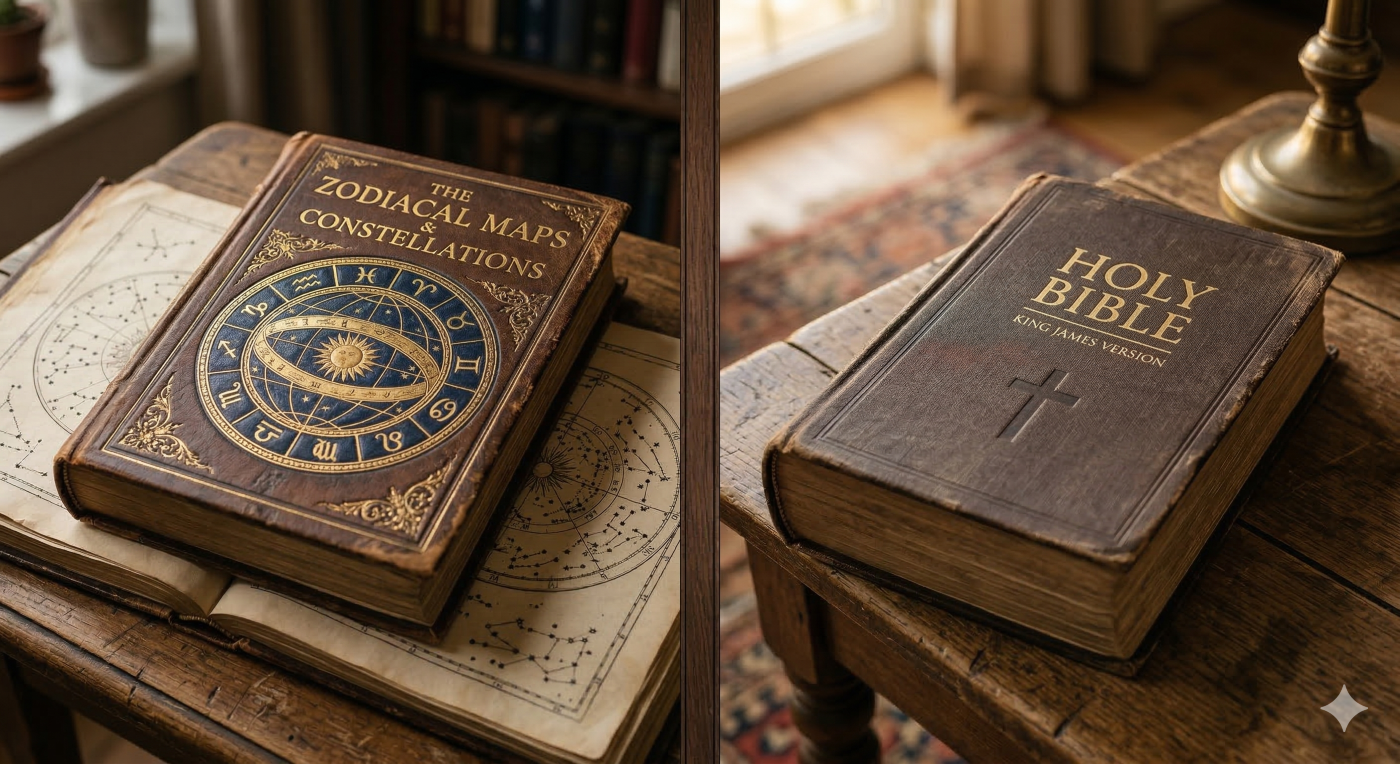
To better understand why these two paths diverge, we can compare their fundamental teachings across several categories.
| Topic | Astrology Teaching | Biblical Teaching |
|---|---|---|
| Source of Wisdom | The "Host of Heaven" (stars, planets, and celestial alignments). | The Holy Spirit, the Living Word (Jesus Christ), and Holy Scripture. |
| Control of Future | Life is governed by celestial fate, birth charts, and planetary transit. | Life is governed by a Sovereign Creator who knows the end from the beginning. |
| Purpose of Stars | To act as cosmic influences that dictate and guide human destiny. | To mark seasons, provide light, and declare the glory of God (Psalm 19:1). |
| Consultation | Seeking guidance through horoscopes, zodiacs, and monthly prognosticators. | Seeking guidance through prayer, biblical wisdom, and the counsel of God. |
The Danger of Modern "Soft" Astrology
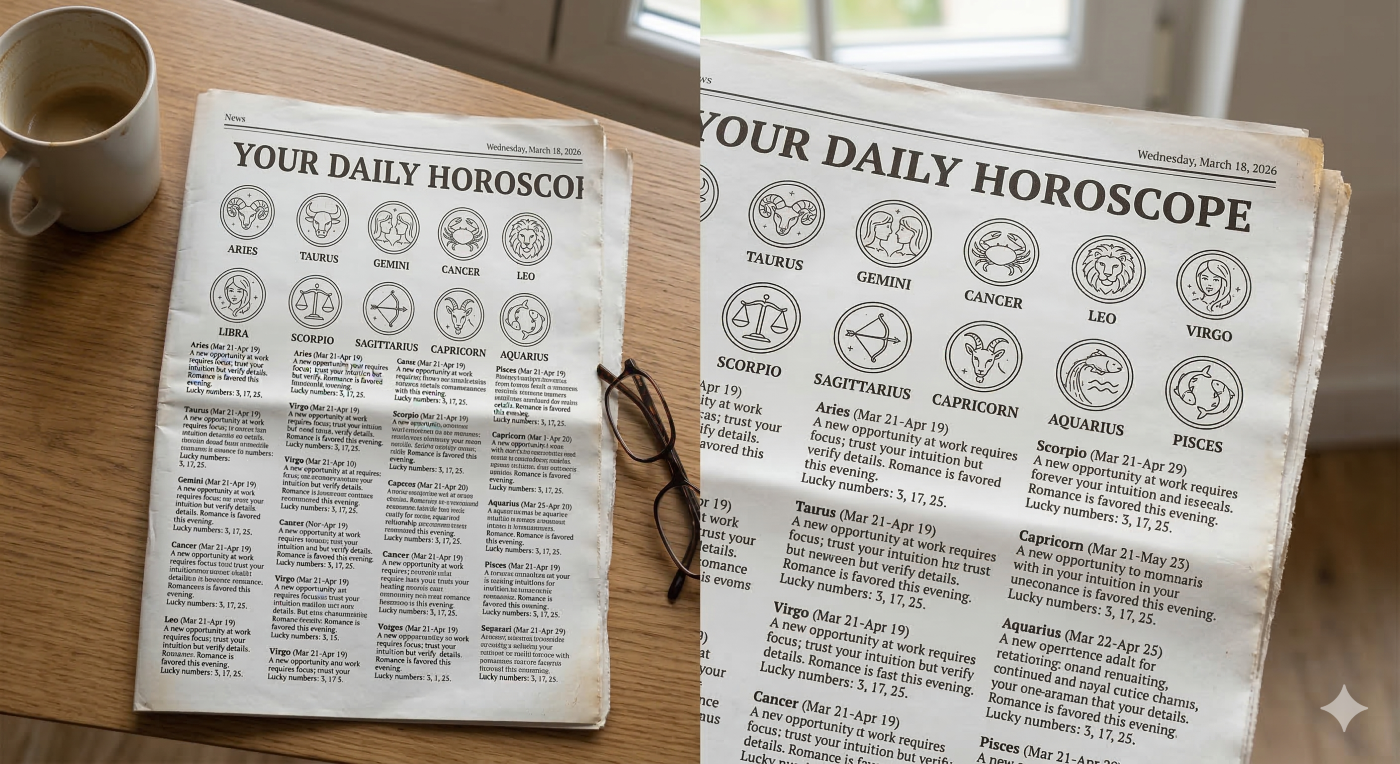
Today, the influence of astrology and the bible remains a topic of great importance for believers because of how normalized horoscopes have become. Many people treat them as harmless fun, but the Bible classifies astrology under the category of "divination," which is described as an abomination in Deuteronomy 18:10-12.
The danger lies in the shift of trust. When someone begins to rely on a birth chart or a monthly prediction to make decisions, they are essentially practicing a form of idolatry, putting the creation ahead of the Creator. This subtle shift pulls the individual away from the peace that comes from trusting in God's providence.
The conflict between astrology and the bible is not just academic; it is spiritual. To follow the stars is to seek a sign; to follow Christ is to seek the Savior. The Bible encourages us to "trust in the Lord with all your heart" (Proverbs 3:5) rather than leaning on the supposed wisdom of the planets.
Conclusion: Choosing the Creator Over the Creation
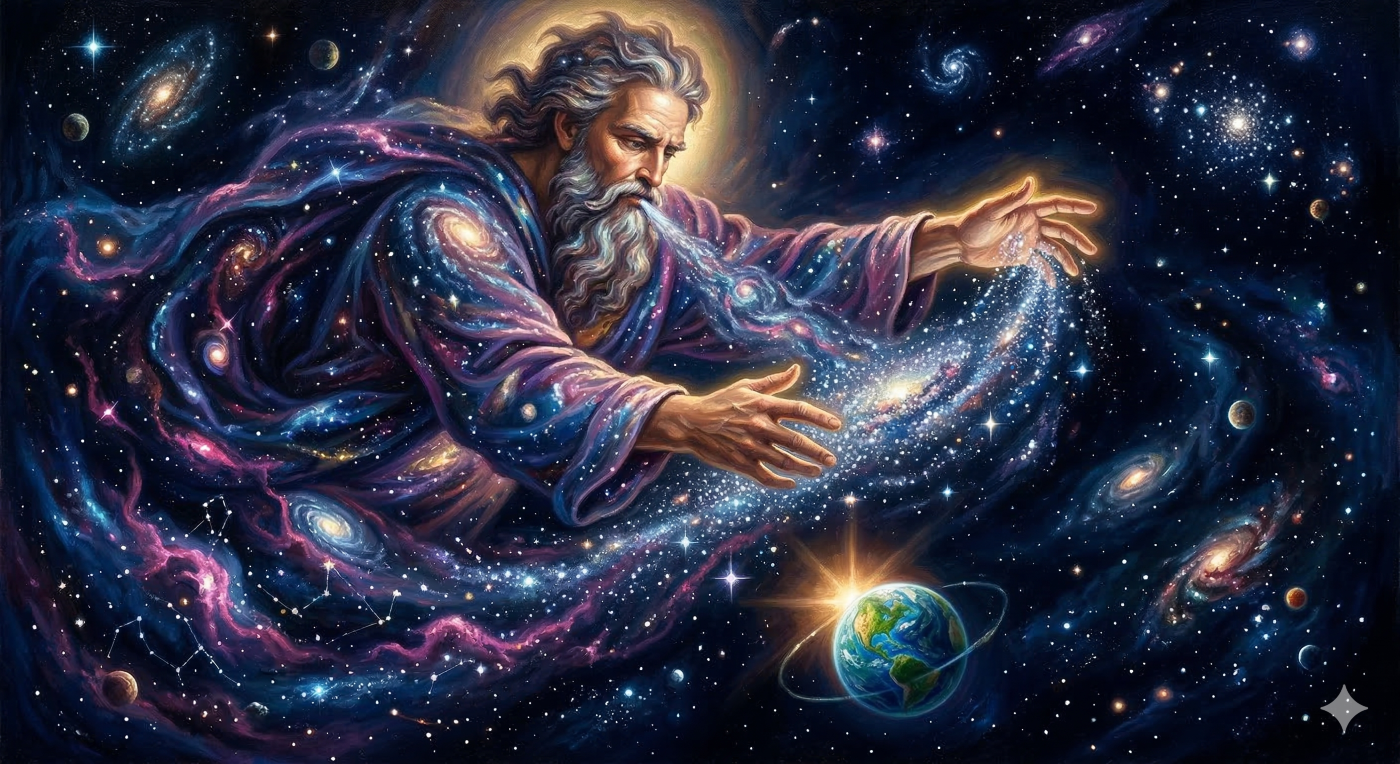
Ultimately, the study of astrology and the bible reveals that we cannot serve two masters. We either believe that our lives are in the hands of the Almighty God who knows us by name, or we believe we are at the mercy of inanimate rocks and gases millions of miles away.
The stars are a beautiful testament to God's handiwork, but they were never intended to be our guides. By looking past the stars to the One who placed them in the sky, we find a much surer foundation for our lives than any horoscope could ever provide.
Additional Resources
For further reading on how the scriptures address the occult and celestial divination, you can view the resource below:
For a deeper theological breakdown, visit:
GotQuestions: What does the Bible say about astrology?


