Do Miracles Produce Faith? The Biblical Truth About Signs and Wonders
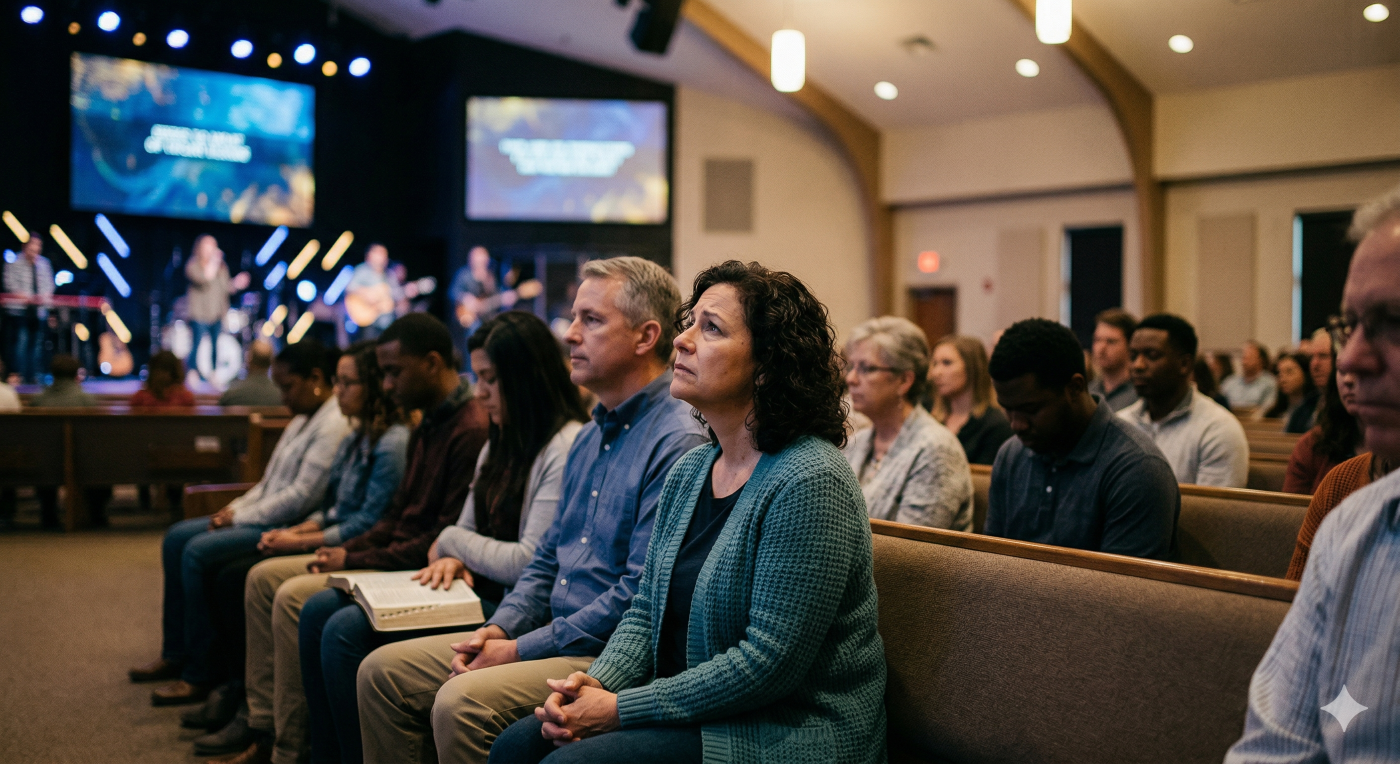
Many people today wander through life or sit in church pews asking a singular question: Do Miracles Produce Faith? In a world filled with "miracle crusades" and viral videos claiming supernatural healings, it is easy to assume that seeing is believing. We often think that if God would just perform one undeniable act in our lives—heal a loved one, provide a financial windfall, or speak from a whirlwind—our doubts would vanish forever. However, when we look deeply into the Word of God, we find a startling truth that contradicts modern popular opinion.
To understand if Do Miracles Produce Faith, we must first look at the biblical definition of faith. Hebrews 11:1 tells us that faith is "the substance of things hoped for, the evidence of things not seen." By its very definition, faith operates in the realm of the unseen. If faith required a physical miracle to exist, it would no longer be faith; it would be simple observation. The focus of our spiritual walk should never be the pursuit of the next sign, but rather a steadfast focus on the Creator Himself.
The Exodus Example: Why Seeing Is Not Always Believing
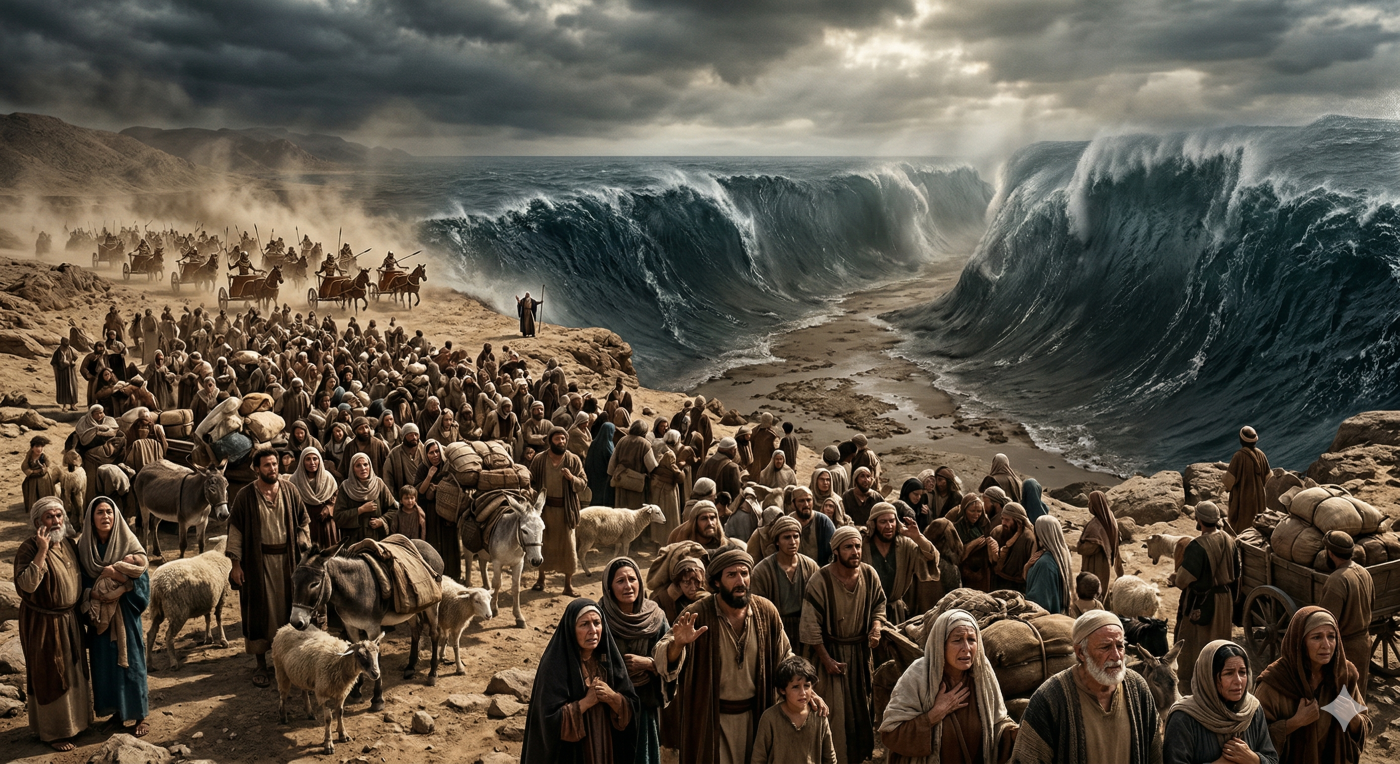
The most powerful evidence answering the question "Do Miracles Produce Faith?" is found in the history of the Israelites during the Exodus. No group of people in human history witnessed more consistent, high-definition miracles than the generation that left Egypt. They saw the Nile turn to blood, the plague of frogs, the lice, the flies, the death of the livestock, the boils, the hail, the locusts, the darkness, and finally the death of the firstborn.
Despite these ten monumental displays of God’s absolute power over the physical world, look at their reaction at the edge of the Red Sea. With the Egyptian army approaching, they didn't stand in faith. Instead, they cried out to Moses in terror, asking if he had brought them there to die because there weren't enough graves in Egypt. Even after God parted the Red Sea—a miracle so vast it defies human imagination—their "faith" evaporated the moment they felt thirsty or hungry in the wilderness.
The Exodus account proves that miracles only produce temporary amazement, not lasting spiritual conviction. Within weeks of seeing God descend upon Mt. Sinai in fire and smoke, the Israelites were building a golden calf. They had the "evidence of things seen," yet they utterly lacked the "evidence of things not seen." This pattern of rebellion despite witnessing miracles shows that a heart can remain hard even while the eyes are wide open to the supernatural.
The Source of True Belief: Do Miracles Produce Faith or Does the Word?

If miracles are not the catalyst for spiritual growth, how does one actually obtain it? The Bible is very clear on this point in Romans 10:17: "So then faith cometh by hearing, and hearing by the word of God." This is a crucial distinction for anyone asking, "Do Miracles Produce Faith?" Faith is a product of the Word, not a product of the "wow" factor.
When we prioritize signs and wonders over the Scriptures, we are building our spiritual house on sand. Jesus addressed this directly in Matthew 12:39 when He said, "An evil and adulterous generation seeketh after a sign." Why would He call them evil for wanting a miracle? Because seeking a sign is a sign of a heart that refuses to trust God’s character and His recorded Word. Jesus pointed them back to the "sign of the prophet Jonah," which was a prophecy of His own death and resurrection. The greatest miracle of all—the redemption of a soul through the Cross—is accessed through believing the Gospel message, not through watching a lightning bolt strike a steeple or a physical ailment disappear.
The Rich Man, Lazarus, and the Sufficiency of Scripture
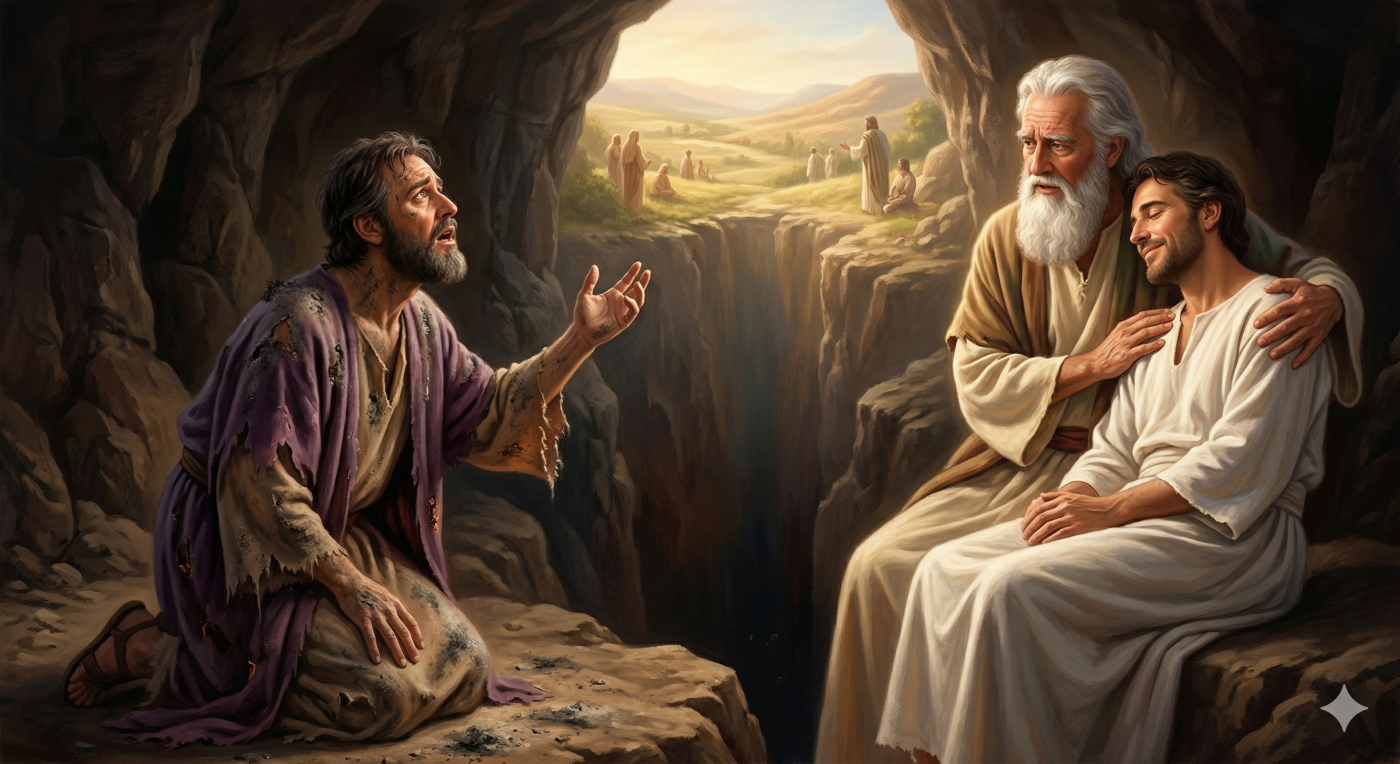
In the New Testament, Jesus tells the story of the Rich Man and Lazarus (Luke 16). The rich man, finding himself in torment after death, begs Abraham to send the deceased Lazarus back to the land of the living to warn his five brothers. His logic was the same as many today: "If one goes to them from the dead, they will repent." He believed a spectacular miracle would produce the faith necessary for salvation.
Abraham’s response is the final word on the matter. He said, "If they hear not Moses and the prophets, neither will they be persuaded, though one rose from the dead." This confirms that the human heart is so resistant to God that even the resurrection of a dead man is insufficient to create faith if the Word of God is already being rejected. Do-Miracles-Produce-Faith? According to Jesus’ teaching, the answer is a resounding "No." The Word is sufficient; the miracle is a distraction if it is sought as a substitute for the Word.
The Danger of Miracles in the End Times
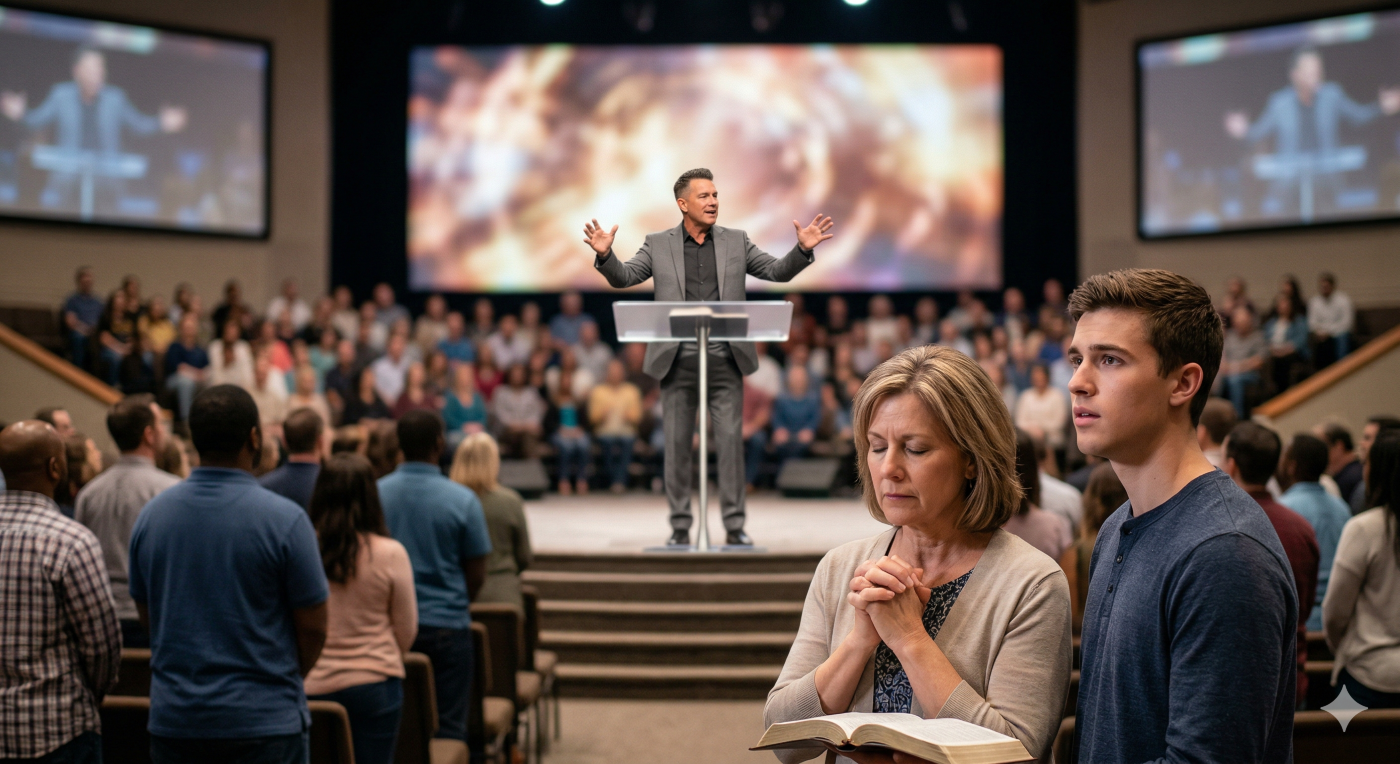
Understanding that Do-Miracles-Produce-Faith is a false premise is actually a matter of spiritual safety. The Bible warns us that in the end times, the Antichrist and the False Prophet will use "lying wonders" to deceive the world. 2 Thessalonians 2:9 describes the coming of the lawless one as being "after the working of Satan with all power and signs and lying wonders."
If your faith is built on miracles, you are vulnerable to the greatest deception in history. If you believe that a miracle is proof of God’s presence, you will be easily led astray by an impostor who can call down fire from heaven. True faith, grounded in the Word of God, allows a believer to discern between a true work of the Spirit and a demonic counterfeit.
The goal of our life should be to grow in the knowledge of Jesus Christ through His Word. We don't need to see a sign to know He is with us; we have His promise. We don't need a new miracle to prove His power; we have the empty tomb. When we stop asking, "Where is my miracle?" and start asking, "What does the Word say?" we finally begin to walk in the kind of faith that pleases God.
Shifting the Focus from Signs to the Savior
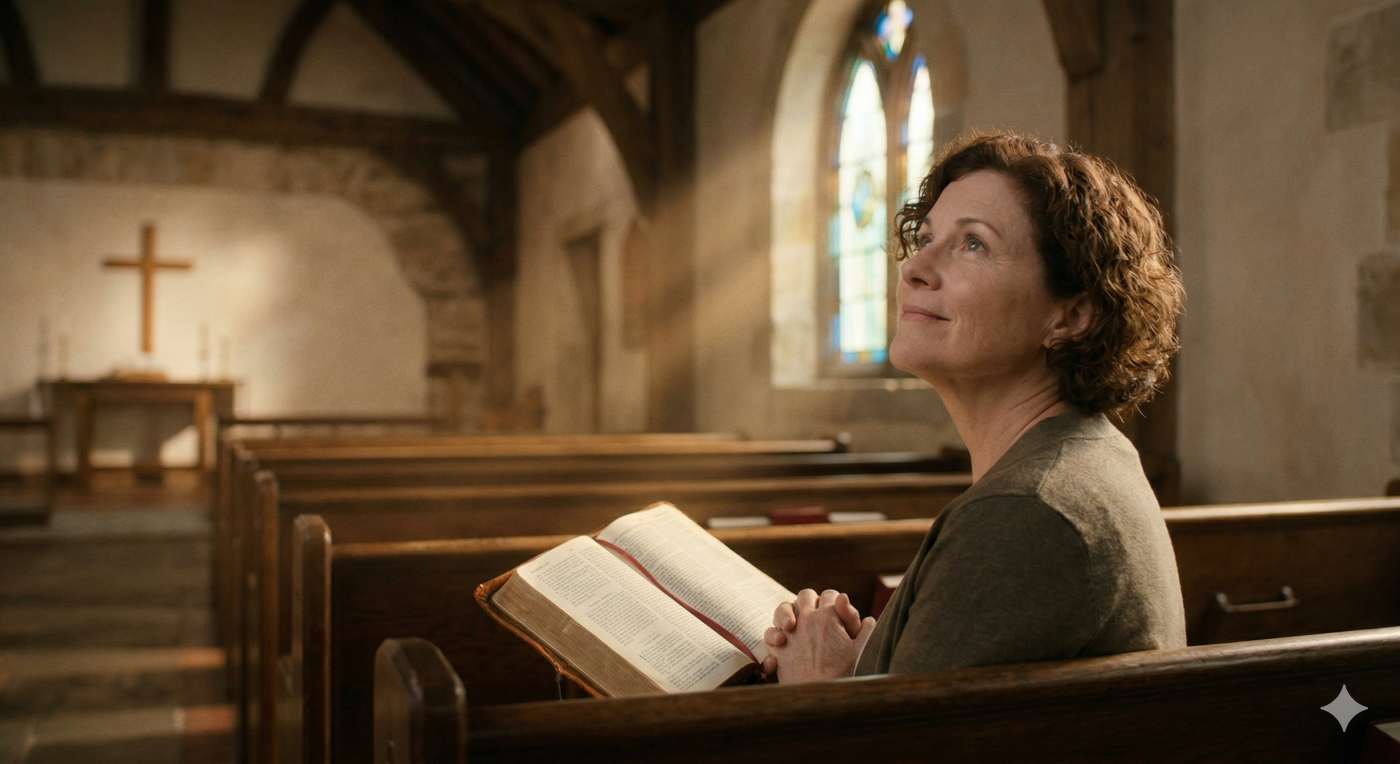
While God certainly can and does perform miracles according to His will, they are never intended to be the foundation of our belief. The biblical record, from the wilderness of Sinai to the teachings of Jesus, makes it clear: miracles do not change the nature of the human heart. Only the Word of God, applied by the Holy Spirit, can do that.
Instead of seeking the hand of God for what He can do for us physically, we must seek the face of God for who He is. We should strive to be a generation that finds its strength not in the "evidence of things seen," but in the glorious, unchanging truth of the Holy Scriptures. This is the only way to build a faith that can withstand the trials of life and the deceptions of the enemy. The answer to "Do-Miracles-Produce-Faith?" is found in the quiet confidence of a believer who trusts God even when the heavens are silent, knowing that His Word is more sure than any sign we could ever witness. This shift in perspective is what leads us to the most significant miracle of all.
The Ultimate Miracle: A Transformed Heart Through the Gospel

When we finally settle the question, "Do Miracles Produce Faith?" we are freed from the exhausting cycle of chasing spiritual "highs." Many believers live in a state of perpetual disappointment because they are waiting for a physical sign to validate God's love for them. They look for a miracle to jump-start their prayer life or a supernatural encounter to prove their salvation. But if we rely on external wonders, our spiritual stability will only last until the next trial comes along. True, perfect faith is not found in the spectacular, but in the sacrificial.
The greatest miracle ever performed was not the parting of a sea or the healing of a blind eye; it was the miracle of the New Birth. When a person hears the Word of God and the Holy Spirit opens their eyes to the reality of the Cross, a dead spirit is made alive. This is the miracle that lasts for eternity. Unlike the Israelites who saw the Red Sea part and then immediately doubted God’s provision, the person who has faith grounded in the finished work of Jesus Christ has an anchor for their soul. They don't need to ask, "Do Miracles Produce Faith?" because they have experienced the power of the Gospel, which is the "power of God unto salvation" (Romans 1:16).
By making the Scriptures our primary source of truth, we align ourselves with God’s perfect design for our growth. We transition from being "sign-seekers" to being "truth-dwellers." This shift provides a peace that passes all understanding—a peace that doesn't falter when a miracle doesn't happen the way we expected. When the world looks for a sign, the believer looks to the Savior. By resting in the sufficiency of the Bible, we possess a faith that is complete, lacking nothing, and built upon the unshakeable foundation of the Word of God.
Read the full biblical definition of faith in Hebrews 11.
Beyond Miracles: Examining the Evidence of the Unseen
Spirits, Ancestors and The Afterlife - Explore the truth about spirits ancestors and afterlife. Contrast worldly beliefs in mediums and hauntings with what the Holy Bible actually says.
Wicca Vs. The Bible - Is there a difference between Wicca vs the Bible? Explore a deep dive into beliefs, practices, and the eternal choice between the Craft and God's Word.
What Happens At Death? - What happens at death? Explore the biblical perspective on the transition of the soul, the reality of the curse, and the hope of resurrection through Christ.
Are Ghosts In The Bible? - Are ghosts in the Bible? Discover the truth about hauntings, unclean spirits, and what happens to the soul after death according to Biblical scripture


