The Repentance of King Manasseh: A Blueprint for Divine Mercy
The biblical narrative offers few turnarounds as dramatic or as significant as the repentance of King Manasseh. His story serves as a stark reminder that no soul is beyond the reach of God’s grace, provided there is a genuine heart change. However, before we can appreciate the depth of his restoration, we must first look into the darkness of his rebellion. Manasseh was the son of the godly King Hezekiah, yet he systematically dismantled his father’s righteous legacy, leading Judah into a spiritual abyss that exceeded even the pagan nations God had destroyed before them.

The Dark Zenith: Manasseh’s Evil Reign
Manasseh’s rule over Israel (specifically the Southern Kingdom of Judah) lasted fifty-five years—the longest reign of any king in Jerusalem. Unfortunately, he used that half-century to institutionalize evil. He didn't just stumble into sin; he curated it. He rebuilt the "high places" his father had destroyed, erected altars to Baal, and even placed a carved image in the very Temple of the Lord.
His disobedience wasn't limited to religious apostasy. The historical record in 2 Kings 21 tells us that Manasseh "shed very much innocent blood," filling Jerusalem from one end to the other. Most tragically, he practiced sorcery and sacrificed his own sons in the fire. Under his leadership, the people were led astray to do more evil than the nations whom the Lord had destroyed before the Israelites.
Despite repeated warnings from God’s prophets, Manasseh and his people paid no attention. This stubbornness highlights a recurring spiritual law: persistent disobedience eventually silences the conscience, making a "calamity of correction" necessary.
The Catalyst of Calamity
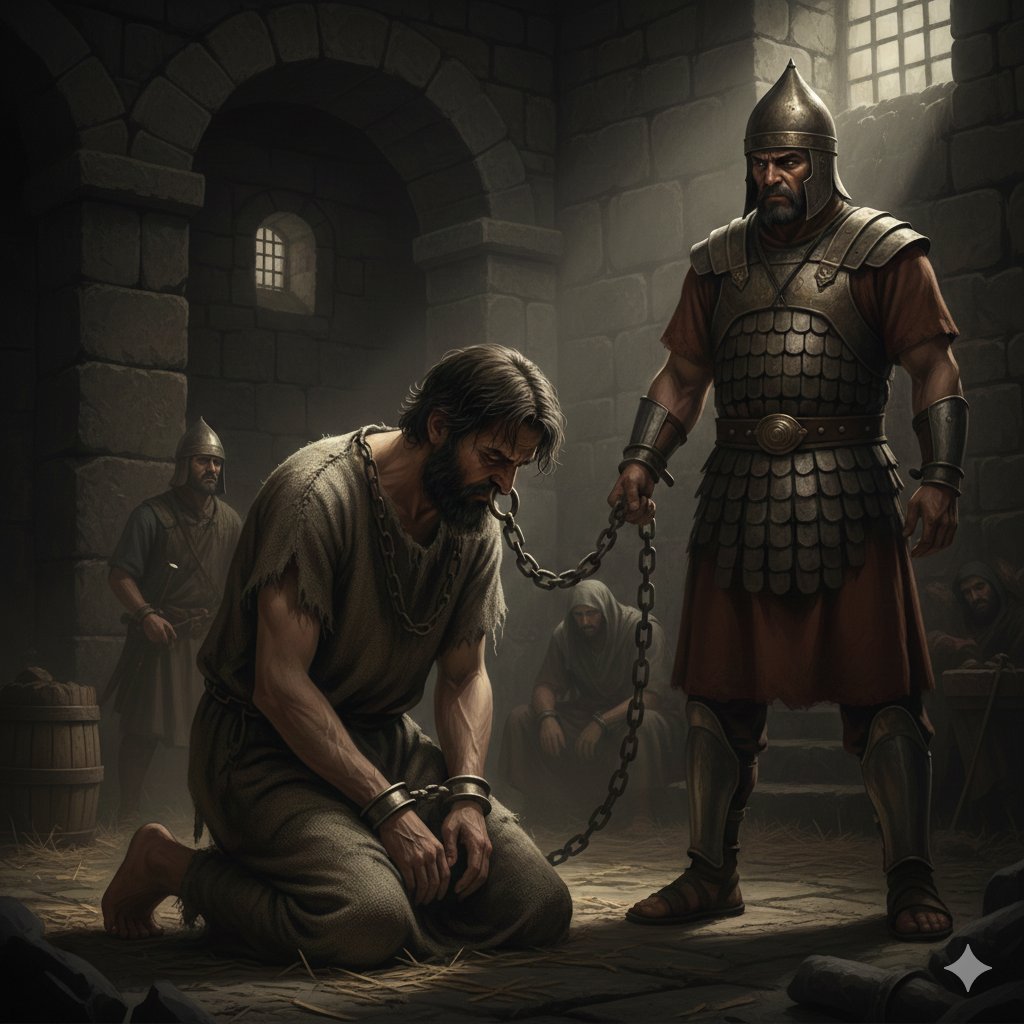
Calamity befalls all who persistently disobey God, not as an act of petty vengeance, but as a severe mercy designed to break the pride that keeps a soul in bondage. For Manasseh, this calamity arrived in the form of the Assyrian army.
The King of Assyria took Manasseh captive, putting a hook in his nose and binding him with bronze shackles to lead him away to Babylon. This was a literal and figurative "bottoming out." Stripped of his crown, his palace, and his dignity, the most powerful man in Judah became a prisoner in a foreign land. It is often in the "dungeon" of our own making that we finally become quiet enough to hear the voice of God.
The Turning Point: The Repentance of King Manasseh
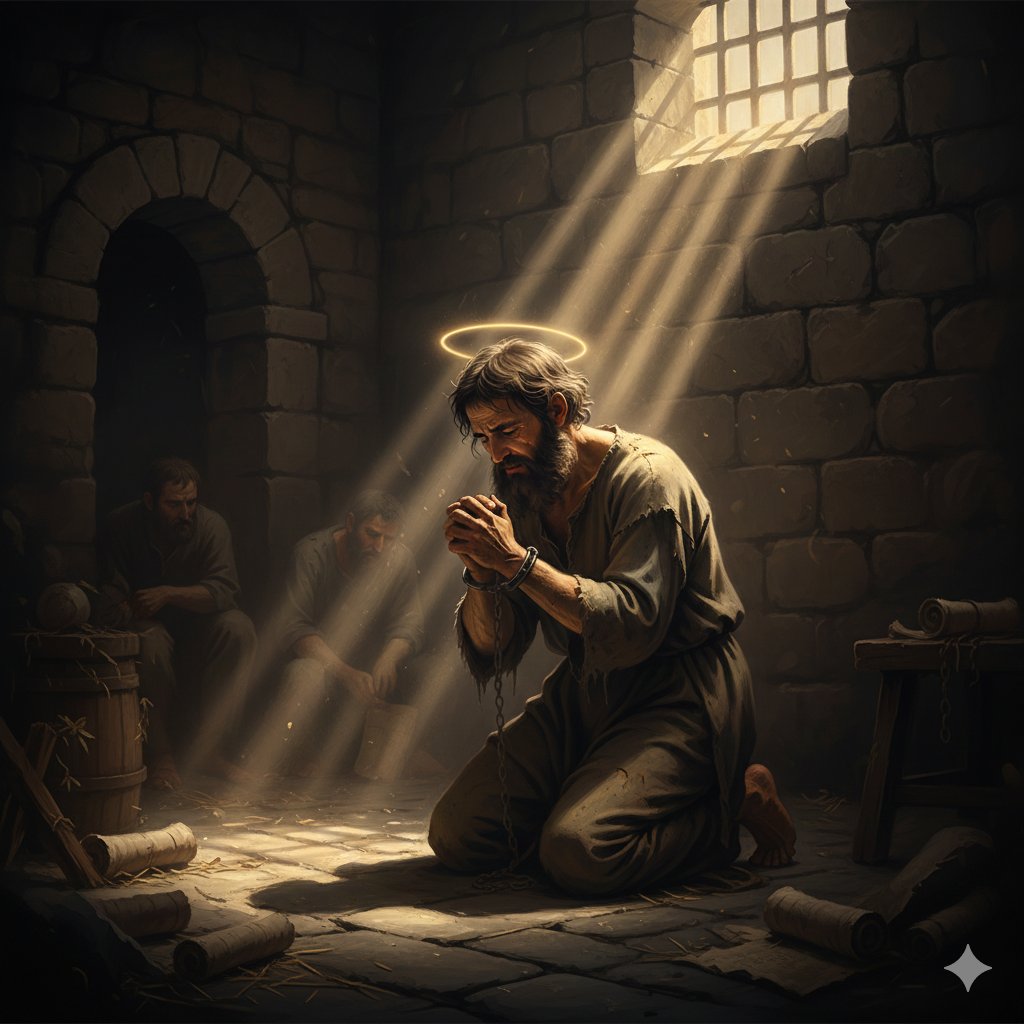
While in his distress, the unthinkable happened. The king who had sacrificed his children to demons began to seek the favor of the Lord his God. He humbled himself greatly before the God of his fathers.
The repentance of King Manasseh was not a mere intellectual acknowledgment of wrongdoing; it was a profound internal shift. He moved from the height of arrogance to the depths of humility. When he prayed, God was moved by his entreaty and listened to his plea. In an act of staggering grace, God restored him to Jerusalem and to his kingdom.
This moment is the pivot of the entire narrative. It proves that the repentance of King Manasseh was sufficient to bridge the gap between his horrific past and a restored future. Upon his return, he proved his repentance was genuine by removing the foreign gods, strengthening the city’s defenses, and commanding Judah to serve the Lord.
Lessons from the Longest Reign
One might ask why God allowed such an evil king to rule longer than any other king of Israel. Through this, we find three profound theological truths:
1. The Immense Patience of God - The fifty-five-year reign of Manasseh is a testament to God’s long-suffering nature. God waited decades, sending prophet after prophet, before allowing the Assyrians to take him. This reveals a God who is slow to anger and rich in kindness, giving ample space for a change of heart.
2. Not Willing That Any Should Perish - Manasseh is the "extreme case" of the Bible. By including the repentance of King Manasseh in the Holy Scriptures, God is signaling to every reader that no one is "too far gone." If the man who sacrificed his sons and filled Jerusalem with blood can find mercy, there is hope for anyone. It perfectly illustrates that God is not willing for anyone to perish, but for all to come to repentance.
3. The Consequences of Disobedience - While Manasseh was personally forgiven, his sin had lasting consequences for the nation. Even after his reform, the spiritual rot he introduced had sunk so deep into the culture that Judah eventually faced exile. We must learn that while God’s grace is infinite, our choices still carry weight in the physical world. Disobedience creates a legacy that is much harder to clean up than it is to prevent.
A Call to Turn
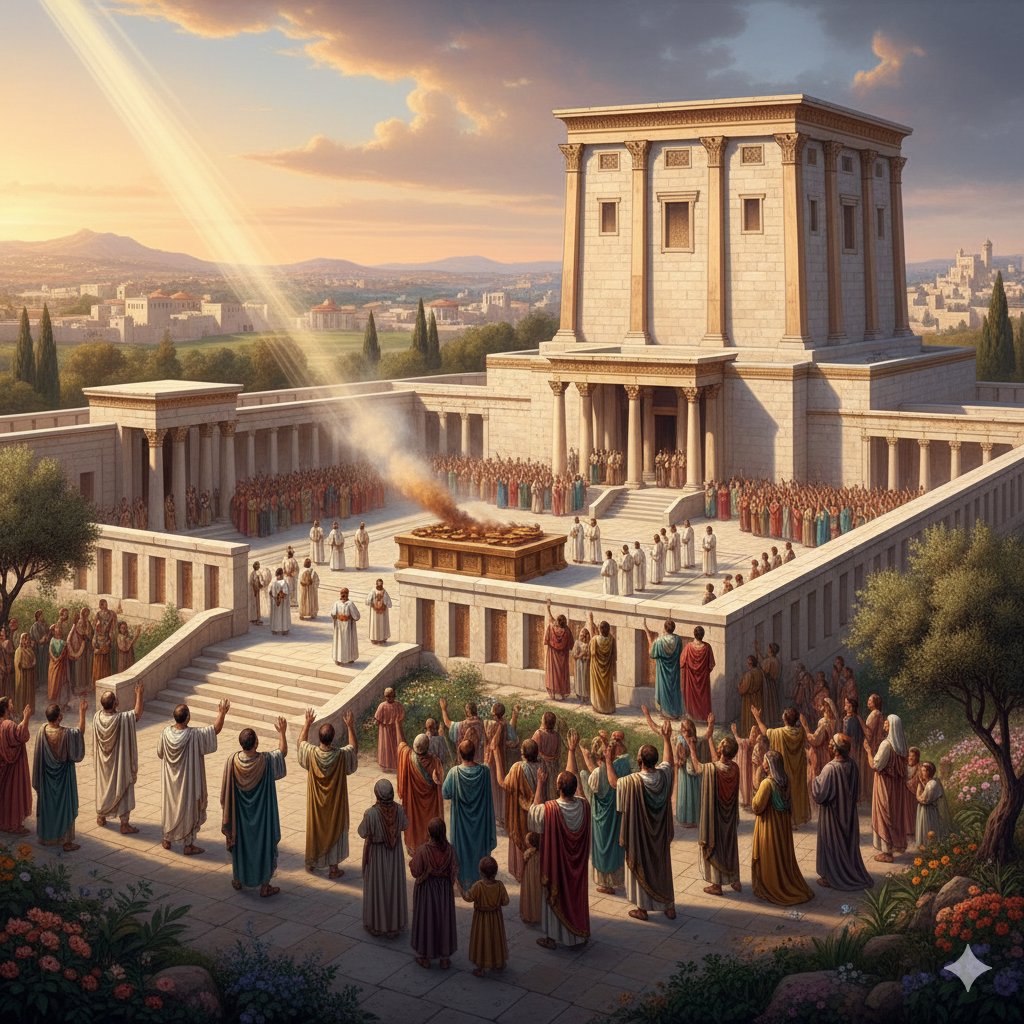
The repentance of King Manasseh serves as a permanent invitation. It calls out to the skeptic, the backslider, and the rebel alike. It reminds us that our "calamity" might actually be the very tool God is using to bring us back to Him. Whether your rebellion has lasted a day or fifty years, the door of humility is still open. Like Manasseh, you can move from the shackles of your past into the light of God’s restorative grace.
For further study on the biblical text, you can read more about the repentance of king manasseh at Lo & Behold Bible ministries.
Explore More on An Unseen World
- The Biblical View of Satanism – Contrast the dark spiritual path Manasseh initially chose with the biblical warnings against these ancient practices.
- Sean Sellers: A Modern Testimony of Grace – See how the same mercy shown to Manasseh was extended to a modern figure who found redemption from a dark past.
- The Reality of Hell – A deeper look at the eternal consequences Manasseh escaped through his sincere heart change and humility.
- The Origin of Demons – Understand the nature of the spiritual entities Manasseh mistakenly worshipped before returning to the One True God.


