Exploring the Remarkable History Of The Bible
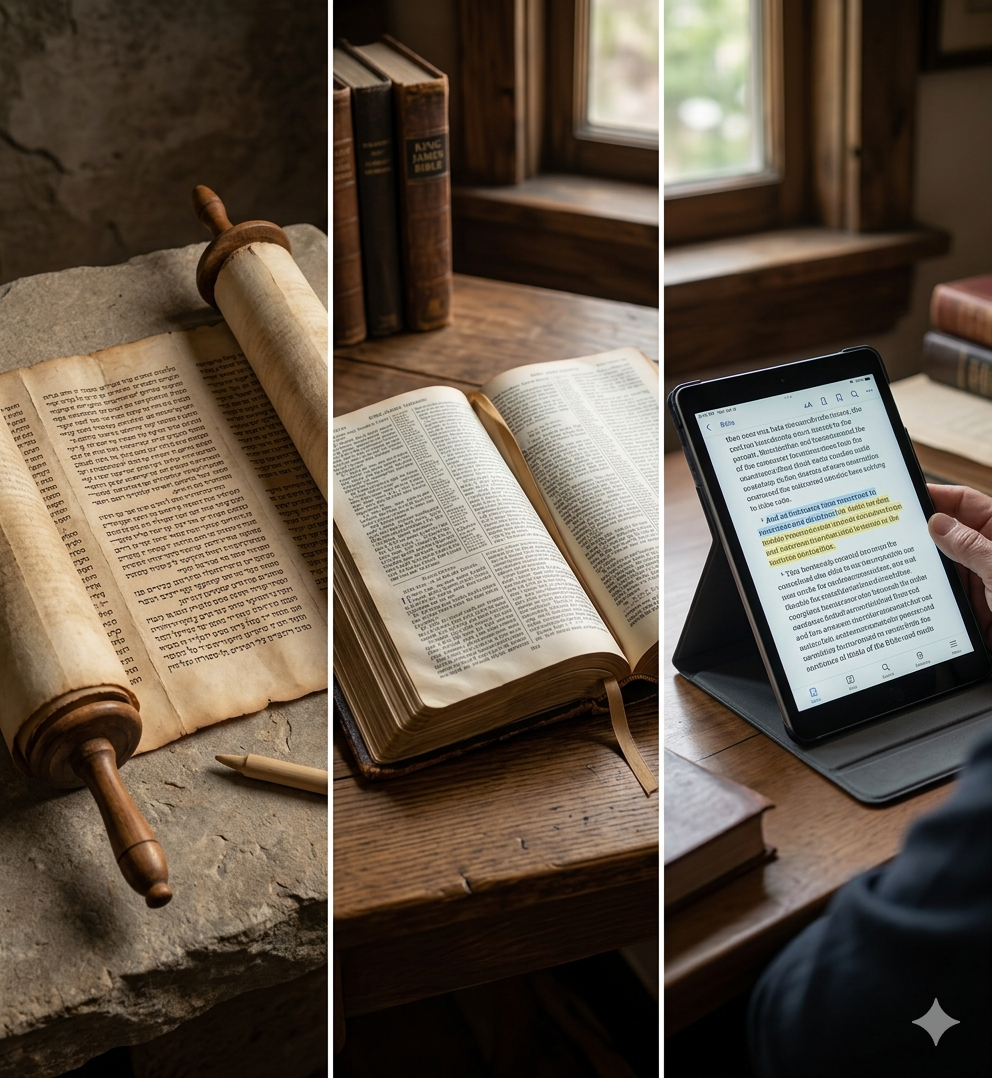
The History Of The Bible is not merely a chronicle of religious thought; it is a staggering saga of survival, meticulous preservation, and divine design. For thousands of years, the collection of texts we now call the Holy Scriptures has faced the fires of persecution, the decay of time, and the scrutiny of skeptics. Yet, it remains a cohesive unit—a library of sixty-six books that transitioned from ancient oral traditions to clay tablets, papyrus scrolls, and eventually, the digital screens of the modern age. Understanding how these disparate writings became a single, unified volume is essential to grasping why it remains the best-selling book in human history.
When we look at the History Of The Bible, we must ask: Is this the work of men, or is there a higher hand involved? The scripture itself provides the answer. In 2 Timothy 3:16, we are told: "All scripture is given by inspiration of God, and is profitable for doctrine, for reproof, for correction, for instruction in righteousness." This "inspiration" suggests that while men held the pens, the source was transcendent. This wasn't a collection of human opinions, but a deliberate revelation intended to guide humanity through the ages.
The Divine Author and His Human Instruments
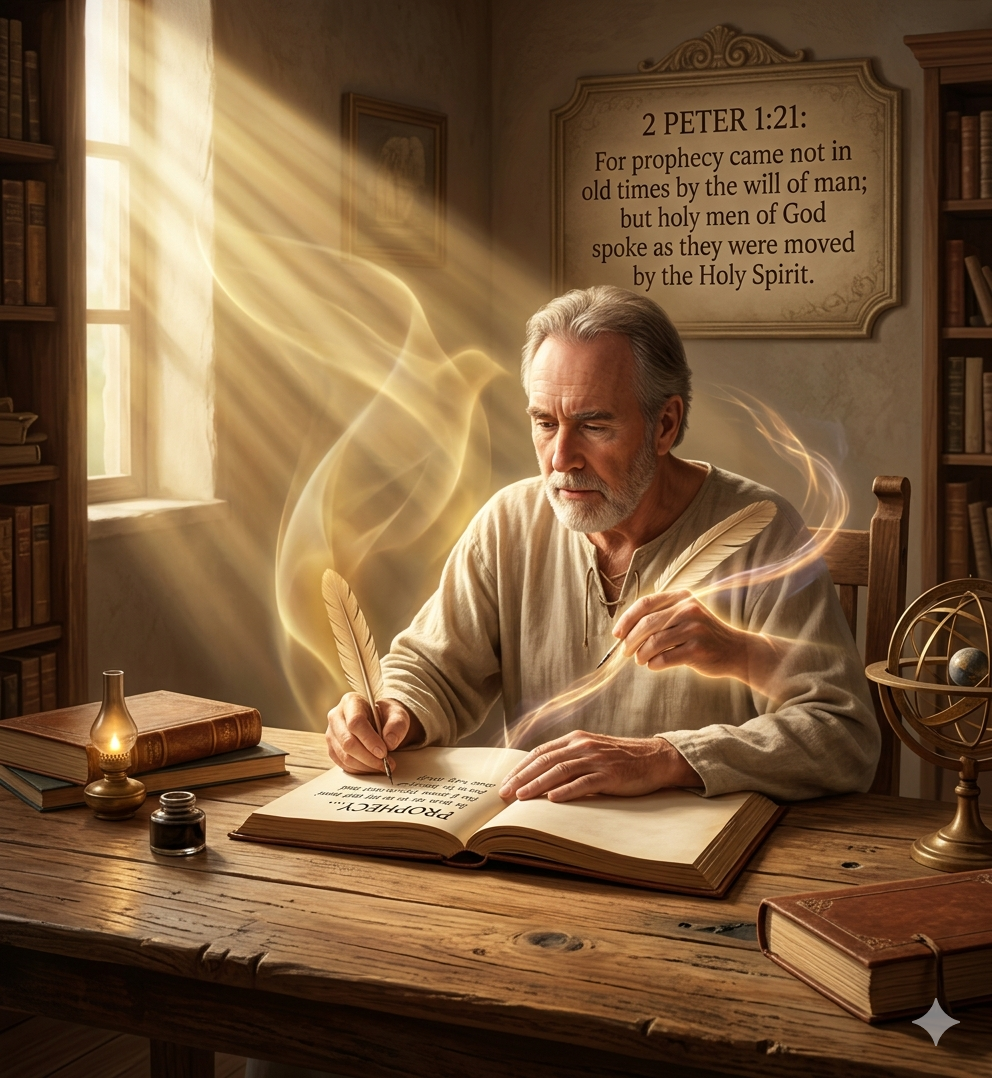
A common mystery surrounding the History Of The Bible is how so many authors, living centuries apart, could produce such a consistent message. The answer lies in the unique process of its creation. According to 2 Peter 1:21, "For prophecy came not in old times by the will of man; but holy men of God spoke as they were moved by the Holy Spirit."
This verse clarifies that the Bible is a partnership between the Divine and the human. God and the Holy Spirit (who are one) acted as the source, moving through the personalities, cultures, and languages of the writers. This explains why the Bible feels so human—full of raw emotion, history, and poetry—yet remains supernaturally consistent in its theology. From the wilderness of Sinai to the prisons of Rome, the Holy Spirit ensured that the message remained pure, regardless of the vessel used to record it.
The Supernatural Structure: The Mathematical Heart
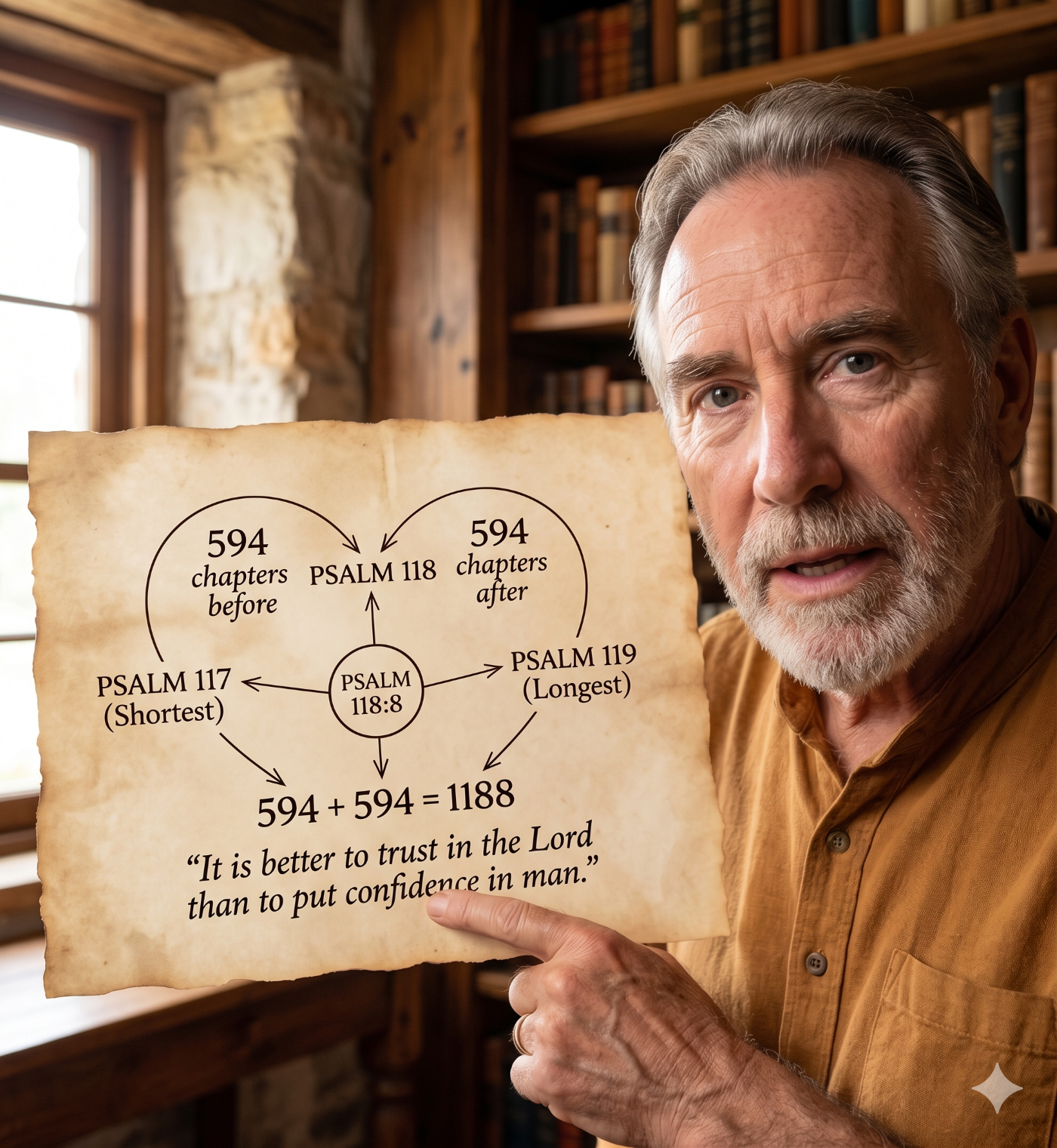
Perhaps the most startling evidence of God’s authorship is found in the very layout of the modern Bible. When we analyze the History Of The Bible from a structural standpoint, we find a "center point" that feels far too precise to be a coincidence.
Consider the layout of the Psalms:
- Psalm 117 is the shortest chapter in the entire Bible.
- Psalm 119 is the longest chapter in the entire Bible.
- Psalm 118 sits exactly in the center.
The mathematical precision is breathtaking. There are exactly 594 chapters before Psalm 118 and exactly 594 chapters after it. If you add those two numbers together (594 + 594), you get 1188. When you turn to Psalm 118:8, you find the verse that serves as the central message of the entire book: "It is better to trust in the Lord than to put confidence in man."
In a book that has been translated, rearranged, and printed millions of times, finding the central message at the central mathematical coordinate provides a unique kind of proof. It suggests that God did not just inspire the words; He oversaw the very architecture of the Book. It serves as a reminder that throughout the History Of The Bible, the core theme has always been the same: Trust God, and He will lift you up.
Ancient Foundations: The Survival of the Old Testament
Before the New Testament was even a thought, the Old Testament scriptures had already survived for over a millennium. The Jewish people treated the "Words of God" with a reverence unlike any other nation. Scribes known as the Masoretes developed such a rigorous system of copying that they would count every letter of every book. If the middle letter of a copied book did not match the middle letter of the original, the entire manuscript was discarded.
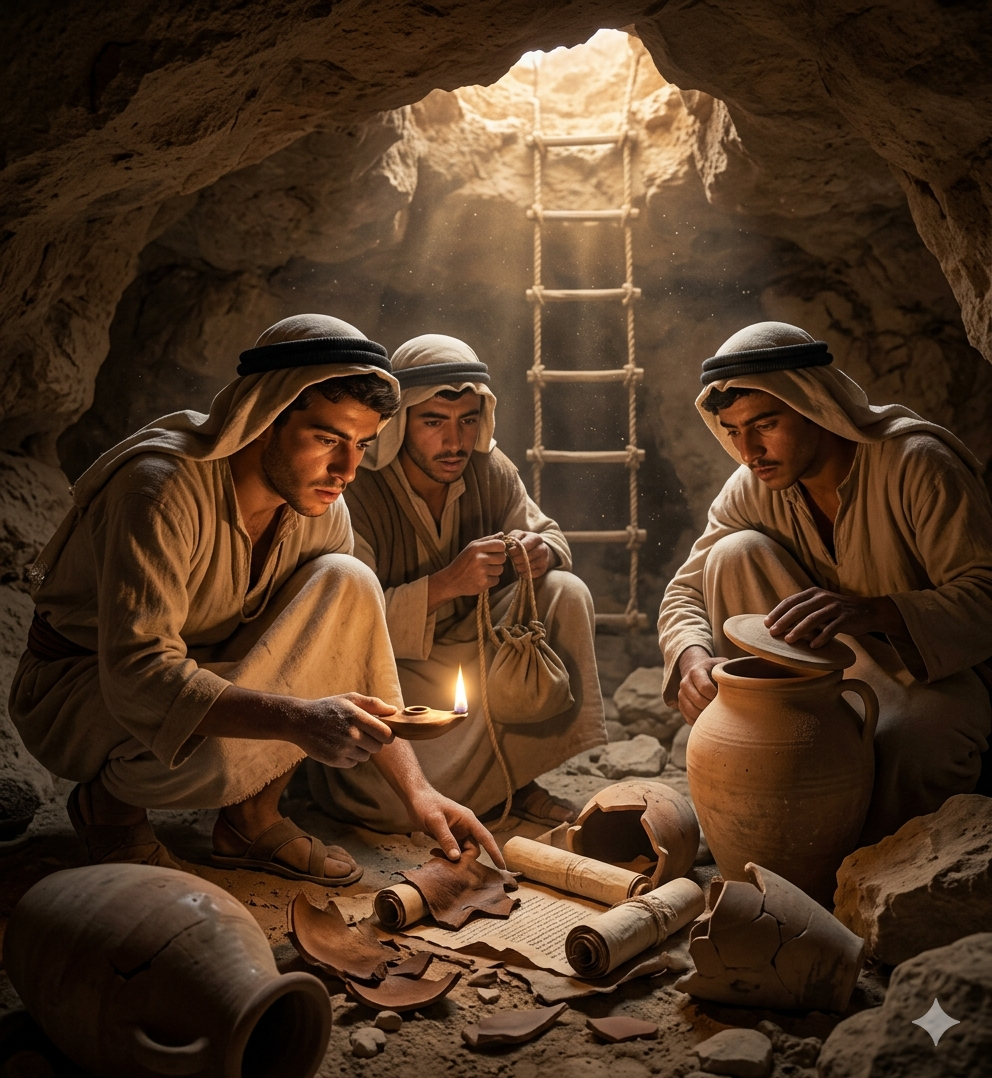
This meticulousness ensured that the content was never lost or altered. When we look back at the History Of The Bible, the discovery of the Dead Sea Scrolls in 1947 stands as a monument to this accuracy. These scrolls, hidden in caves for 2,000 years, matched the modern Hebrew Bible almost perfectly. It proves that the "Old Times" mentioned by Peter were recorded with a degree of care that defies human error.
The New Testament Addition and the Final Warning
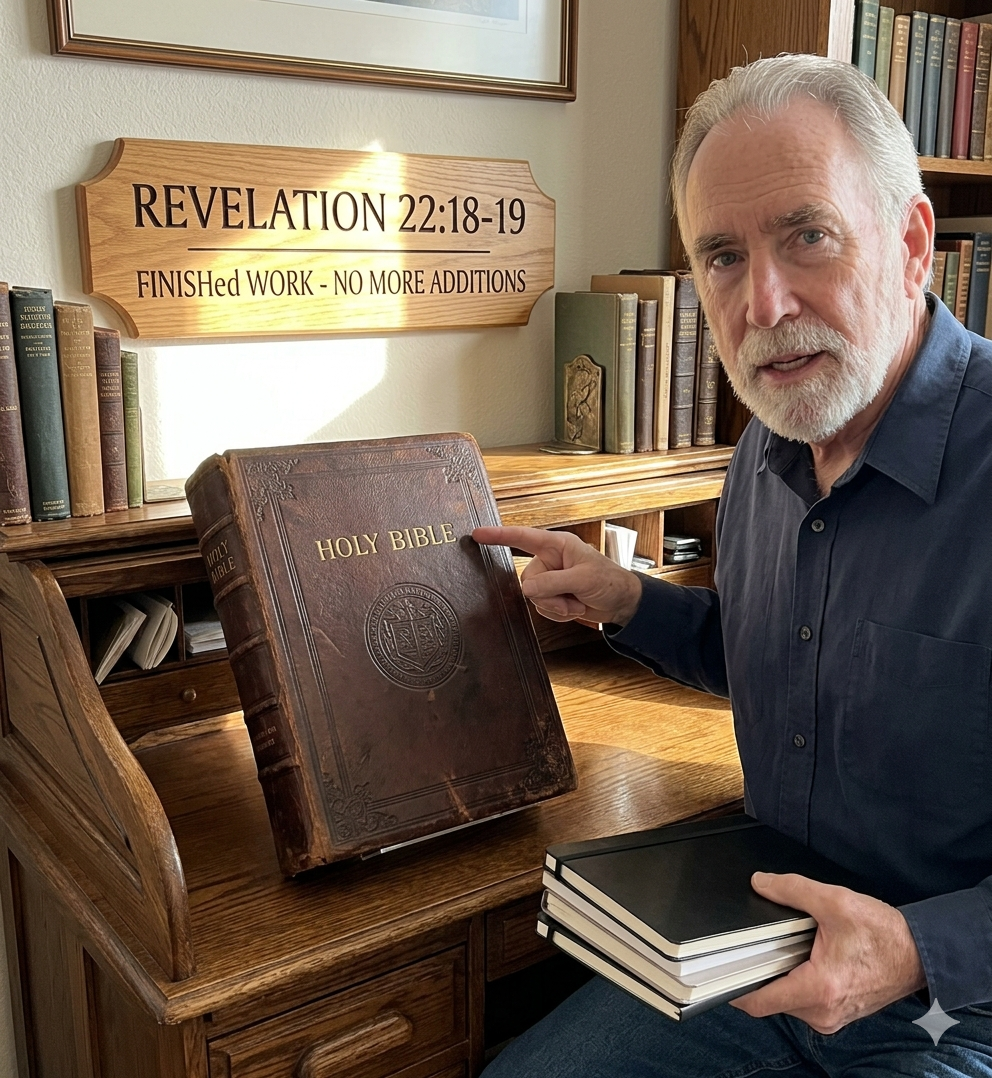
As the New Testament books were written and circulated, they were not seen as a "replacement" for the Old Testament, but as the fulfillment of it. The "History Of The Bible" reached its completion with the writings of the Apostles, forming a closed canon. This sense of "completeness" is vital.
In the final chapter of the final book, we find a stern warning regarding the preservation of these words. Revelation 22:18-19 states: "I warn everyone who hears the words of the prophecy of this book: If anyone adds anything to them, God will add to them the plagues described in this book. And if anyone takes words away from this book of prophecy, God will take away from him his share in the tree of life and in the holy city..."
This emphasizes that the Bible is a finished work. It is not an evolving document that needs "modernizing" or "updating" via new revelations. It is a complete map for humanity, protected by a divine warning against those who would seek to change its identity.
A Timeline of the History Of The Bible in English
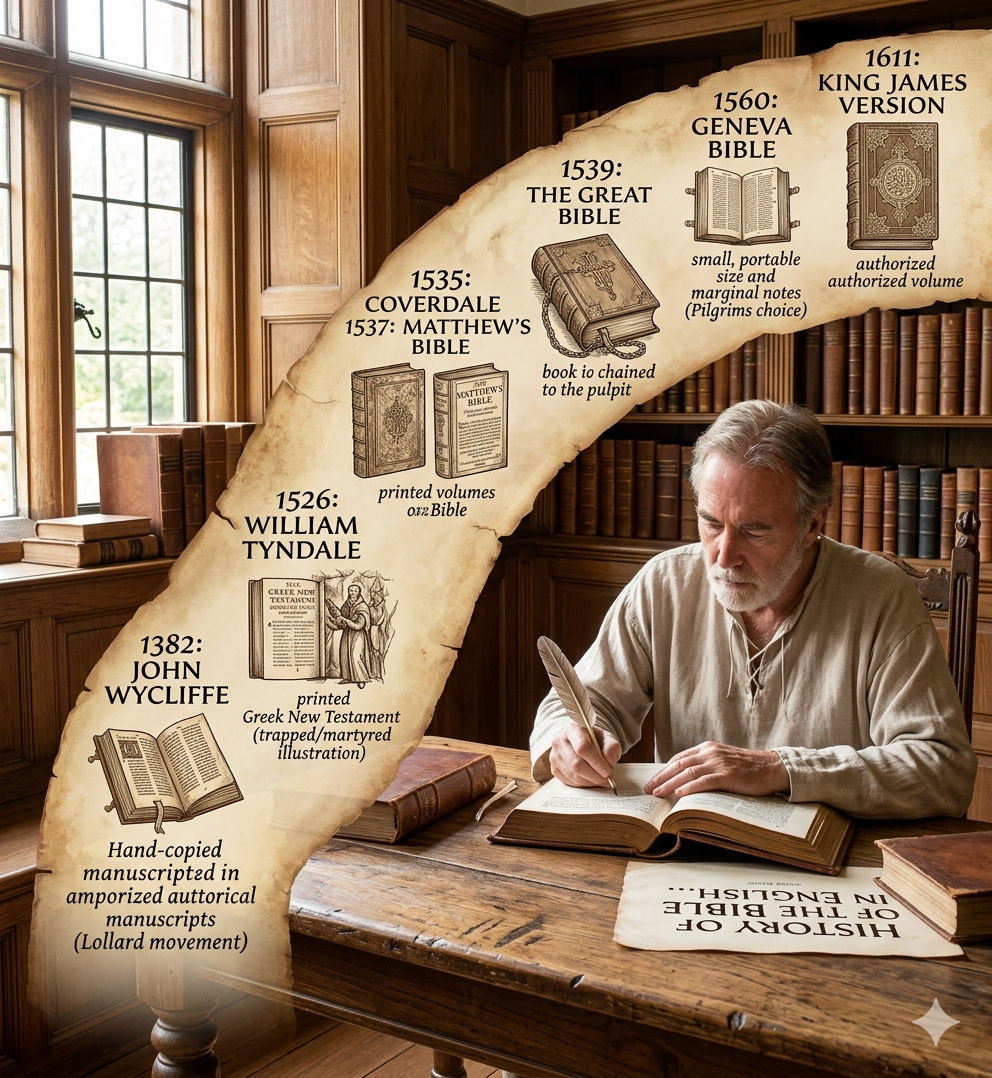
The History Of The Bible in our own tongue is a story of brave men who believed that everyone—from the king to the "ploughboy"—should be able to read God’s Word. This timeline shows how the Bible moved from a "hidden" Latin text to the most accessible book in the world.
1. John Wycliffe (1382) – The Morning Star
Long before the printing press, John Wycliffe and his followers (the Lollards) produced the first complete hand-written English translation. Basing his work on the Latin Vulgate, Wycliffe believed that the Bible was the ultimate authority, not the church hierarchy. His work was so controversial that decades after his death, the church ordered his bones to be exhumed and burned.
2. William Tyndale (1526) – The Father of the English Bible
While Wycliffe used Latin, William Tyndale was the first to translate the New Testament directly from the original Greek. Tyndale’s work is the backbone of the History Of The Bible in English; it is estimated that over 80% of the later King James Version is actually Tyndale's wording. Tyndale was eventually betrayed and martyred, famously crying out at the stake, "Lord, open the King of England's eyes!"
3. The Coverdale Bible (1535) and Matthew’s Bible (1537)
Within a year of Tyndale’s death, the first complete printed English Bible appeared, finished by his associate Miles Coverdale. Shortly after, "Matthew’s Bible" was published by John Rogers (under a pseudonym). This version was particularly significant because it was the first to be published with the "King’s License," marking a massive shift in English law toward making the Bible public.
4. The Great Bible (1539) – The Chained Bible
Fulfilling Tyndale's dying prayer, King Henry VIII eventually authorized the "Great Bible." It was called "Great" due to its massive size. By royal decree, a copy was placed in every church in England. Because they were so valuable and popular, they were often chained to the pulpits to prevent theft, earning the nickname "The Chained Bible."
5. The Geneva Bible (1560) – The People’s Bible
During a time of intense persecution in England, many scholars fled to Geneva, Switzerland. There, they produced the Geneva Bible. This was a revolutionary milestone in the History Of The Bible because it was the first "Study Bible." It featured:
6. The King James Version (1611) – The Authorized Version
- Verse Numbers: The first time the Bible was divided into the numbered verses we use today.
- Marginal Notes: Explanations to help the common person understand the text.
- Portable Size: It was small enough for families to own and read at home.
- The Pilgrim’s Choice: This was the Bible brought to America on the Mayflower.
To resolve the conflict between various versions, King James I commissioned 47 of the greatest scholars of the day to create a new, definitive translation. Drawing on Tyndale’s accuracy and the majesty of the English language, they produced the "Authorized Version." For over 400 years, the KJV has stood as the pinnacle of English literature and the most recognizable translation in the History Of The Bible.
Why the Timeline Matters to Your Faith
Understanding this timeline proves that the Bible did not just "happen." It was preserved by God through the lives of men who were moved by the Holy Spirit, just as 2 Peter 1:21 suggests. When you hold a Bible today, you are holding the result of centuries of scholarly labor and martyred lives.
The transition from ancient Hebrew scrolls to the English KJV or NIV shows a continuous thread of identity. As we noted earlier, the central message remains: "It is better to trust in the Lord than to put confidence in man" (Psalm 118:8). Men like Tyndale and Wycliffe put their confidence in God’s Word rather than the religious systems of their day, ensuring that the History Of The Bible would continue for us today.
A Global Phenomenon: The Best-Selling Identity

Despite the rise and fall of empires, the Bible has maintained its identity as the world’s most influential book. It is a perennial best-seller, not because of clever marketing, but because it speaks to the human soul in a way no other book can. Whether it was the Latin Vulgate of the Middle Ages or the King James Version of the 1600s, the "History Of The Bible" is a story of a book that refuses to be silenced.
However, we must be discerning. As the Bible has been translated into nearly every language on earth, some modern translations may not be as accurate as others. While the core message of salvation through Christ remains clear, some versions move away from the "word-for-word" accuracy that the ancient scribes died to protect. To truly understand the History Of The Bible, one must seek out versions that respect the original Hebrew and Greek texts, ensuring that the "Inspiration of God" is not lost in human paraphrase.
Conclusion: A Legacy That Never Fades
The History Of The Bible proves that this is no ordinary book. From the mathematical precision of its center to the prophetic warnings at its end, it carries the fingerprint of the Creator. It has survived thousands of years to tell us one thing: God is the author, and His word is the truth. By trusting in the Lord rather than the changing opinions of man, we find ourselves anchored to a text that has never lost its identity and never will.
Deepen Your Research: See the actual witnesses to the History Of The Bible. You can explore thousands of high-resolution images of ancient Greek manuscripts at the Center for the Study of New Testament Manuscripts .
Continue Your Journey Into Biblical Mysteries
The History Of The Bible is just the beginning of the story. Once you understand how the Word was preserved, the next step is applying its truths to the mysteries of our world today. Explore these four critical areas of study to deepen your understanding of faith, prophecy, and the supernatural.
We often think that seeing a miracle would solve all our doubts, but the Bible shows a different reality. Discover the true relationship between supernatural signs and a lasting heart-change.
If the central message of the Bible is to trust in God (Psalm 118:8), then Grace is the engine that makes that trust possible. Learn why this unmerited favor is the "scandalous" heart of the Gospel.
Biblical Truth About Hauntings
In a world obsessed with ghost hunting and paranormal activity, what does the scripture actually say about the spirits of the dead? We strip away the Hollywood myths to find the sobering truth.
Nostradamus Vs. Bible Prophecy
Many people look to modern seers for answers about the future, but how do they compare to the 100% accuracy of Biblical prophecy? See the stark contrast between human guesswork and Divine revelation.


