Understanding the Biblical Truth About the Battle of Armageddon
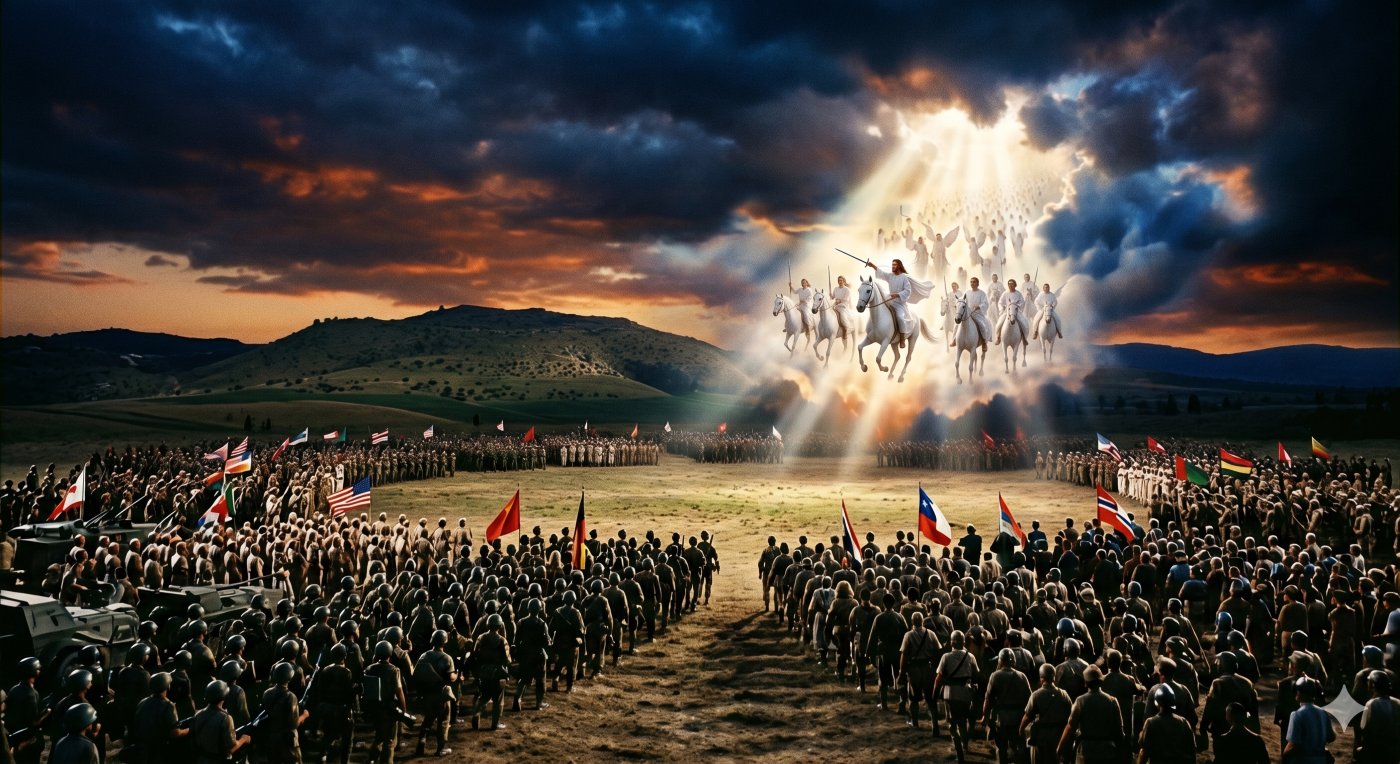
The term "battle of Armageddon" has become a staple of Hollywood blockbusters and sensationalist news headlines, often used to describe any looming global catastrophe or nuclear conflict. However, to understand the reality of this prophetic event, we must look past pop culture and delve into the actual scriptures. The battle of Armageddon is not merely a human war fought with tanks and planes, but a definitive spiritual and physical confrontation between the Creator and those who oppose His sovereignty.
Where Does the Term Come From?
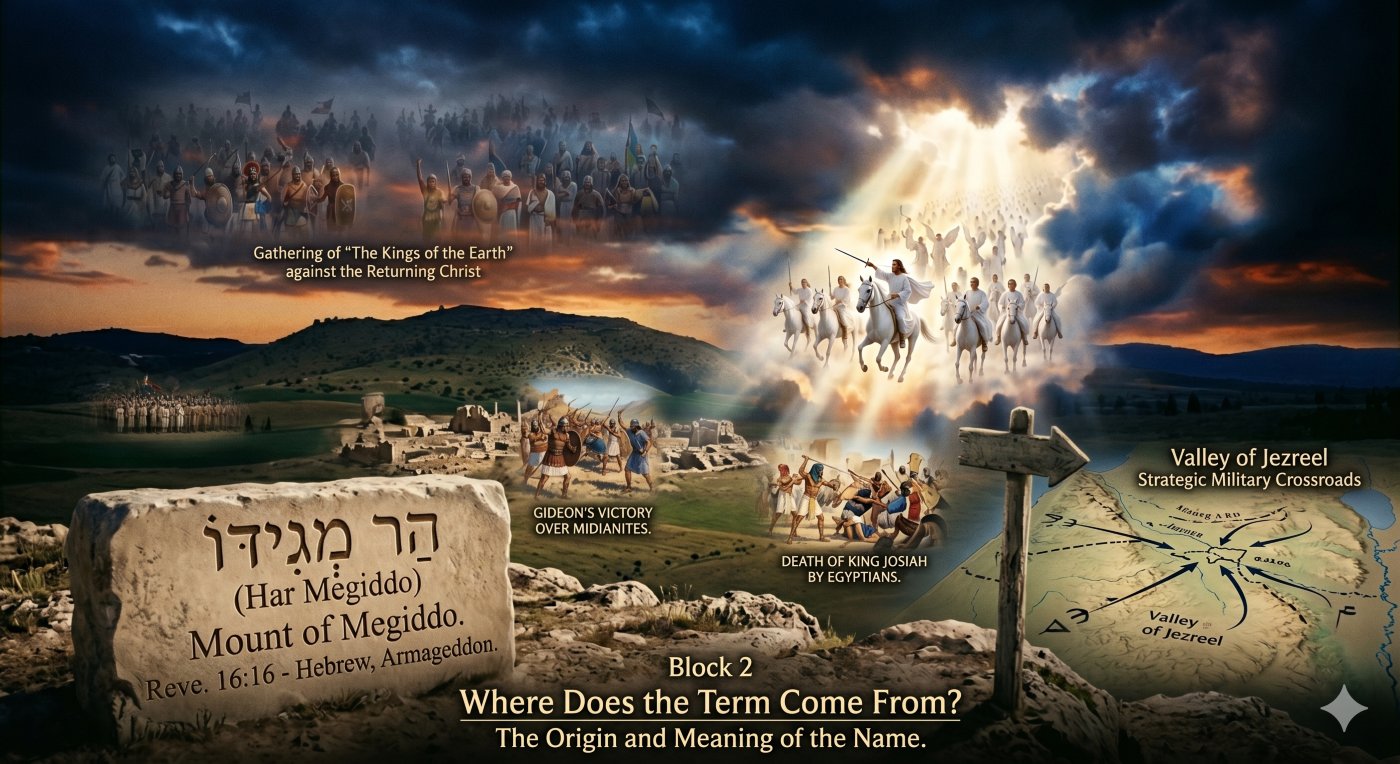
Interestingly, the word "Armageddon" appears only once in the entire Bible, specifically in Revelation 16:16. The text states: "And they gathered them together to the place called in Hebrew, Armageddon." The name is a transliteration of the Hebrew Har Megiddo, which literally translates to the "Mount of Megiddo."
Megiddo was a strategic city located in the Valley of Jezreel in northern Israel. Throughout history, this site has been the theater for numerous decisive battles. It was here that Gideon defeated the Midianites, and where King Josiah fell in battle against the Egyptians. Because of its history as a place of conflict, it serves as a powerful symbol for the final gathering of the nations. However, the scope of the battle of armageddon extends far beyond a single valley in Israel; it represents a worldwide situation where the forces of the earth align against the kingdom of God.
Common Misconceptions: Is It a World War III?
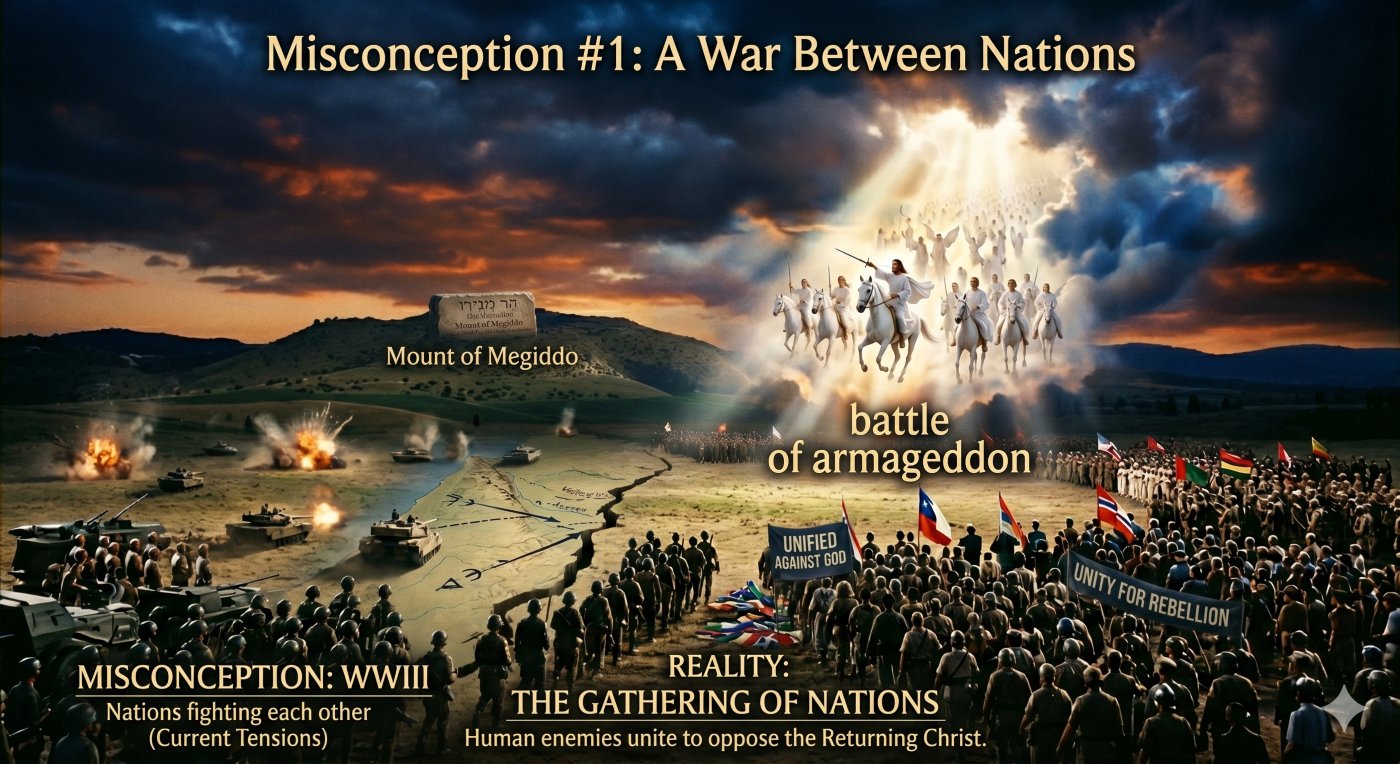
One of the most prevalent misconceptions is that the battle of Armageddon is a standard military conflict between world superpowers—such as a war between the West and the East. People often speculate that current geopolitical tensions are the beginning of this final war.
While the Bible does mention "the kings of the earth and of the whole world" gathering together (Revelation 16:14), they are not gathering to fight each other. Instead, they are surprisingly united in a single cause: to wage war against the returning Christ. The scripture clarifies that the "spirits of demons" perform signs to draw these leaders together for "the battle of that great day of God Almighty." In this sense, the battle of Armageddon is unique because it sees human enemies putting aside their differences to oppose their Creator.
Will the Earth Be Destroyed?
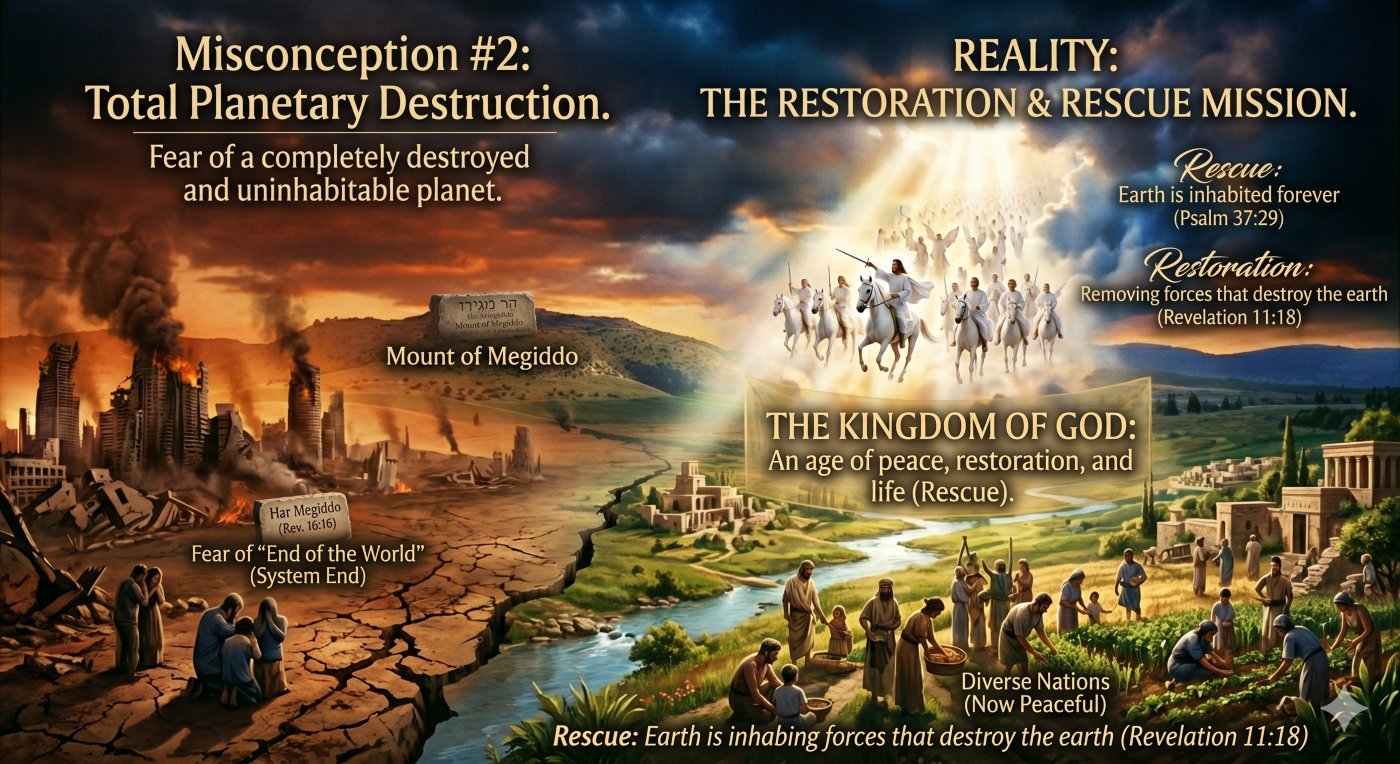
Another common fear is that Armageddon marks the literal "end of the world" in the sense of the physical destruction of the planet. Many imagine a scorched earth where nothing survives. However, the Bible teaches that the earth was created to be inhabited forever (Psalm 37:29).
The "end" described in prophecy refers to the end of an age or a specific system of human self-rule that has been characterized by rebellion and suffering. The battle of Armageddon is actually a rescue mission. Without God's intervention, human mismanagement and warfare would lead to the extinction of all life (Matthew 24:22). Therefore, this battle is the necessary precursor to the establishment of God’s Kingdom on earth, bringing about a time of unprecedented peace rather than total annihilation.
What the Bible Actually Teaches About the Battle of Armageddon
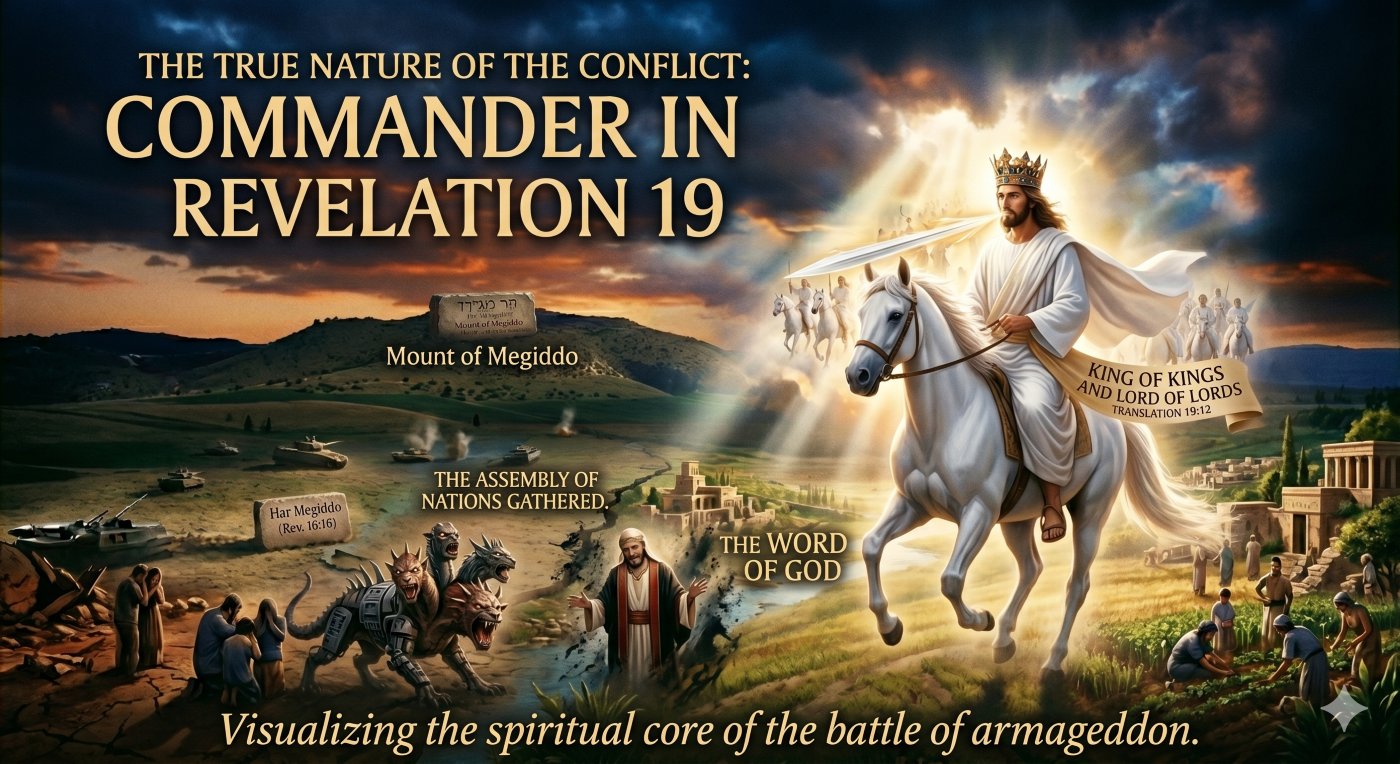
To grasp the full picture, we must look at the description provided in Revelation 19. The "commander" of this battle is not a human general, but Jesus Christ, described as the "King of Kings and Lord of Lords." He is seen riding a white horse, symbolizing a righteous victory.
Unlike human wars that involve years of attrition and millions of casualties on both sides, the battle of armageddon is depicted as a swift and decisive judgment. The "sword" that strikes the nations comes out of the mouth of the Word of God, indicating that His very command executes justice. The "beast" (the world political system) and the "false prophet" (the deceptive religious influence) are defeated and removed. This event marks the transition from human-led governments to the millennial reign of Christ.
Staying Watchful in a Deceptive World
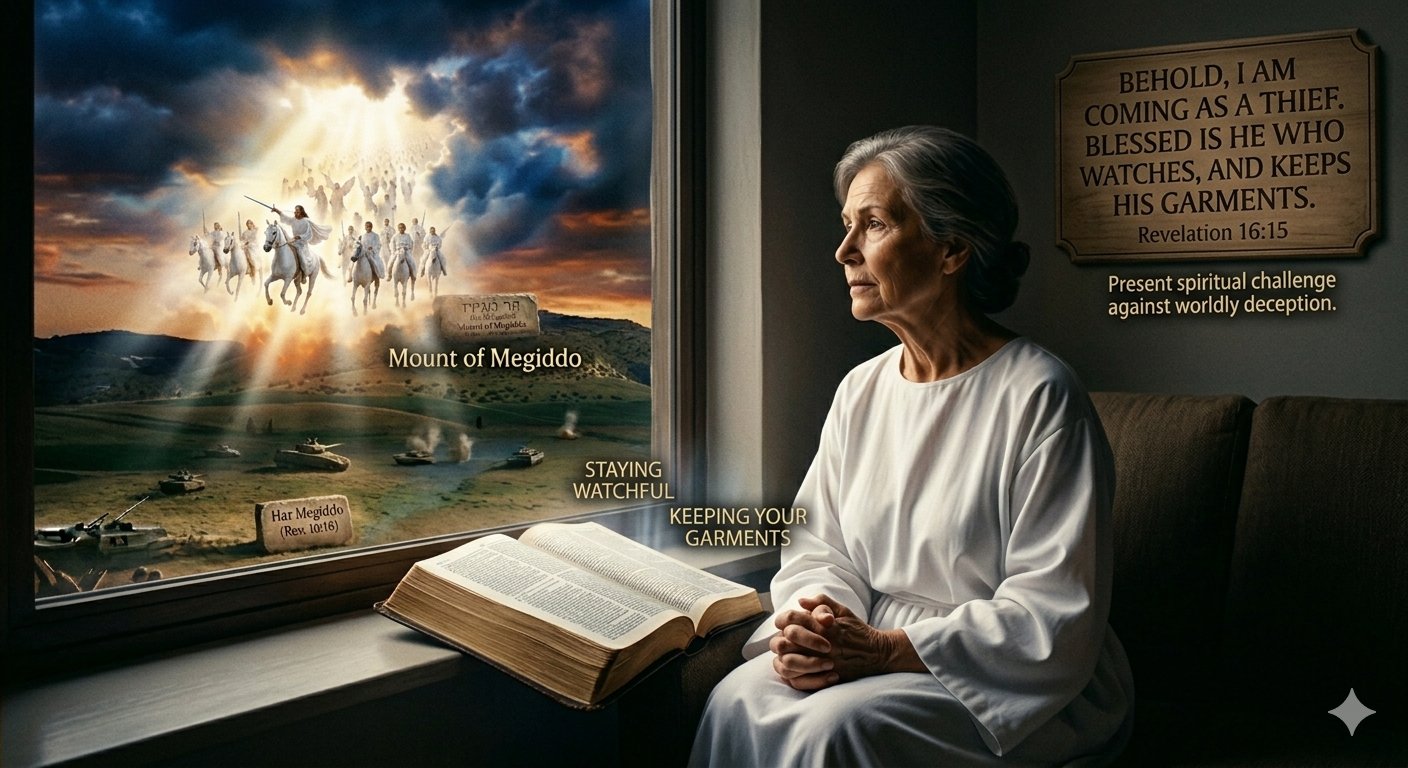
Sandwiched between the description of the gathering of the kings and the battle itself is a vital warning in Revelation 16:15: "Behold, I am coming as a thief. Blessed is he who watches, and keeps his garments." This suggests that the "battle" is not just a future physical event but a current spiritual challenge. The preparation for the battle of armageddon starts in the heart. It involves resisting the deceptions of the world and remaining "clothed" in the righteousness of Christ. As the world becomes increasingly secular and opposed to biblical values, the "gathering" of minds and hearts is already taking place. Believers are called to remain vigilant, ensuring they are on the side of the Lamb when the great day arrives.
The Peace That Follows the Storm
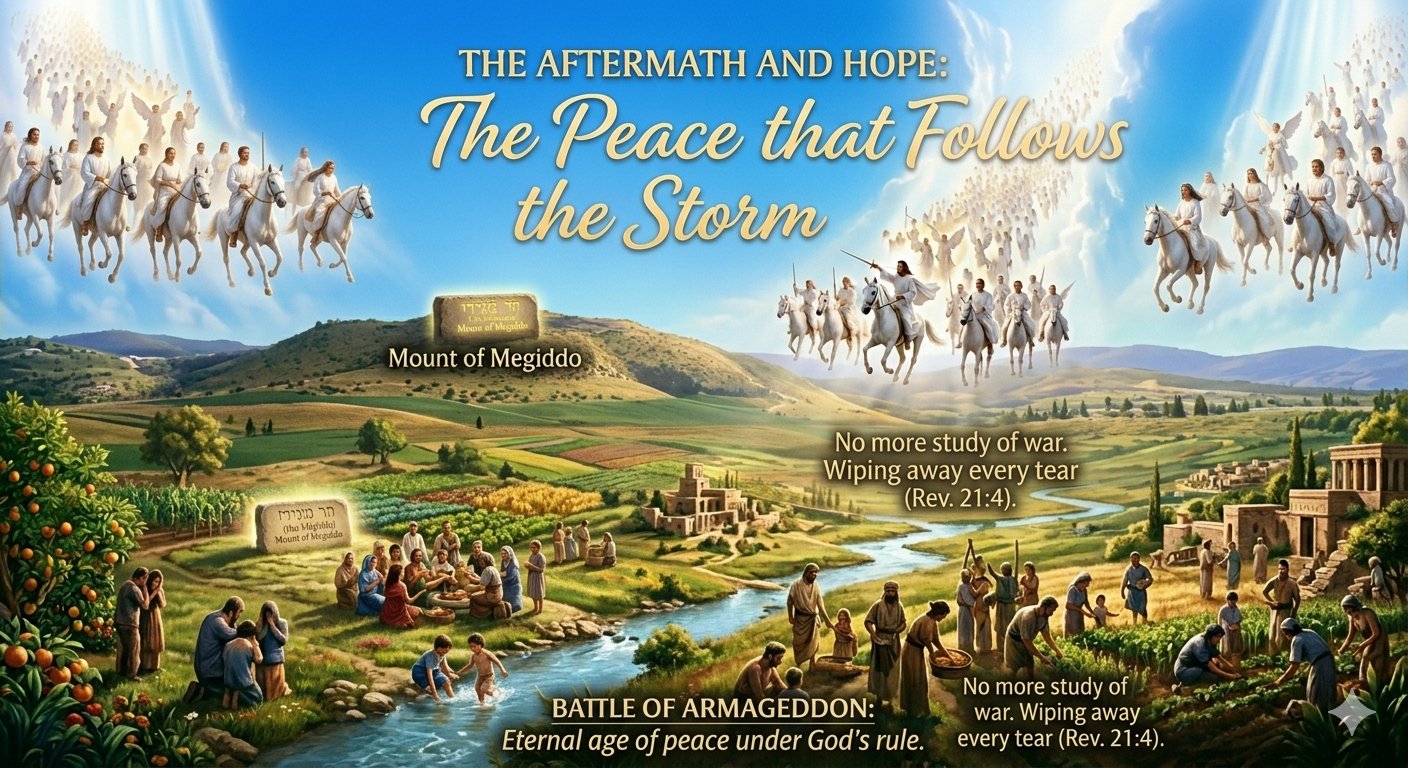
The ultimate goal of the battle of armageddon is the restoration of the earth. Once the forces that "destroy the earth" (Revelation 11:18) are removed, the Bible describes a world where war is studied no more, and "God will wipe away every tear" (Revelation 21:4).
Understanding this provides a sense of hope rather than dread. While the term may sound frightening, the biblical reality is that Armageddon is the doorway to a world without injustice, pain, or death. It is the final closing of the chapter on human rebellion and the beginning of an eternal age of peace under the rightful rule of God. By aligning ourselves with the truth of scripture today, we can look forward to the future with confidence rather than fear.
Deepen Your Study:
Read the full biblical account of the gathering at Armageddon in Revelation 16:12-16 (KJV) at Bible Gateway.
Deepen Your Understanding of Biblical Prophecy
The battle of armageddon is the climax of a much larger prophetic narrative that spans from the beginning of time to the literal return of Christ. To truly grasp the significance of these final events, it is helpful to explore the surrounding spiritual and chronological contexts. We have prepared several in-depth studies to help you connect the dots between ancient scripture and modern-day events:
- Modern Alien Deception: How do modern sightings and the "unseen world" tie into the strong delusion mentioned in the end times?
- A Biblical View of Time: Understand the precision of God's timeline and how the battle of armageddon fits into the dispensations of history.
- Is Jesus God?: Explore the biblical evidence for the deity of the One who returns as the Commander of the heavenly armies.
- Mockers of the Rapture: A look at the growing skepticism regarding the return of Christ and why the Bible warns us this specific attitude would prevail in the last days.
By examining these related topics, you can develop a more robust, biblically grounded perspective on the days we are living in and the great victory that lies ahead.


