Are There Bible Verses About Zombies? Exploring the "Undead" in Scripture
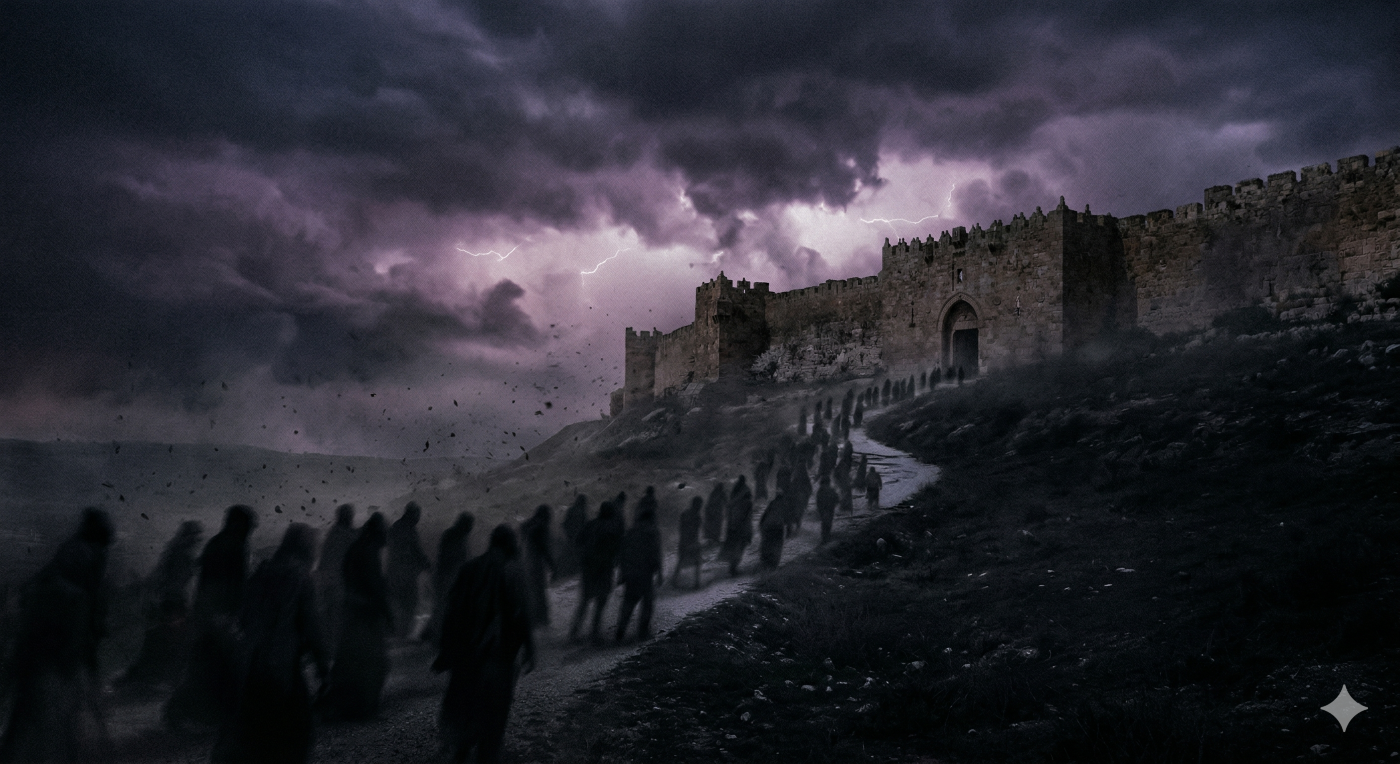
The modern fascination with the "undead" has moved from cult horror films to mainstream global obsession. Whether through television, movies, or literature, the concept of a zombie—a reanimated corpse—is firmly planted in our cultural consciousness. This naturally leads many readers of faith to wonder: are there Bible verses about zombies? While the specific word "zombie" is a 20th-century term with roots in Haitian folklore and Hollywood, the Bible does contain several passages that describe biological anomalies, supernatural resurrections, and apocalyptic judgments that mirror the "undead" imagery we see today.
Searching for Bible verses about zombies usually leads us to the prophetic books and the apocalyptic literature of the New Testament. In these texts, we find descriptions of bodies rotting while standing, graves opening to release the dead, and a time when people will long for death but find it elusive. By examining these scriptures, we can separate pop-culture fiction from the spiritual reality of the biblical narrative.
Comparing Modern Lore to Bible Verses About Zombies
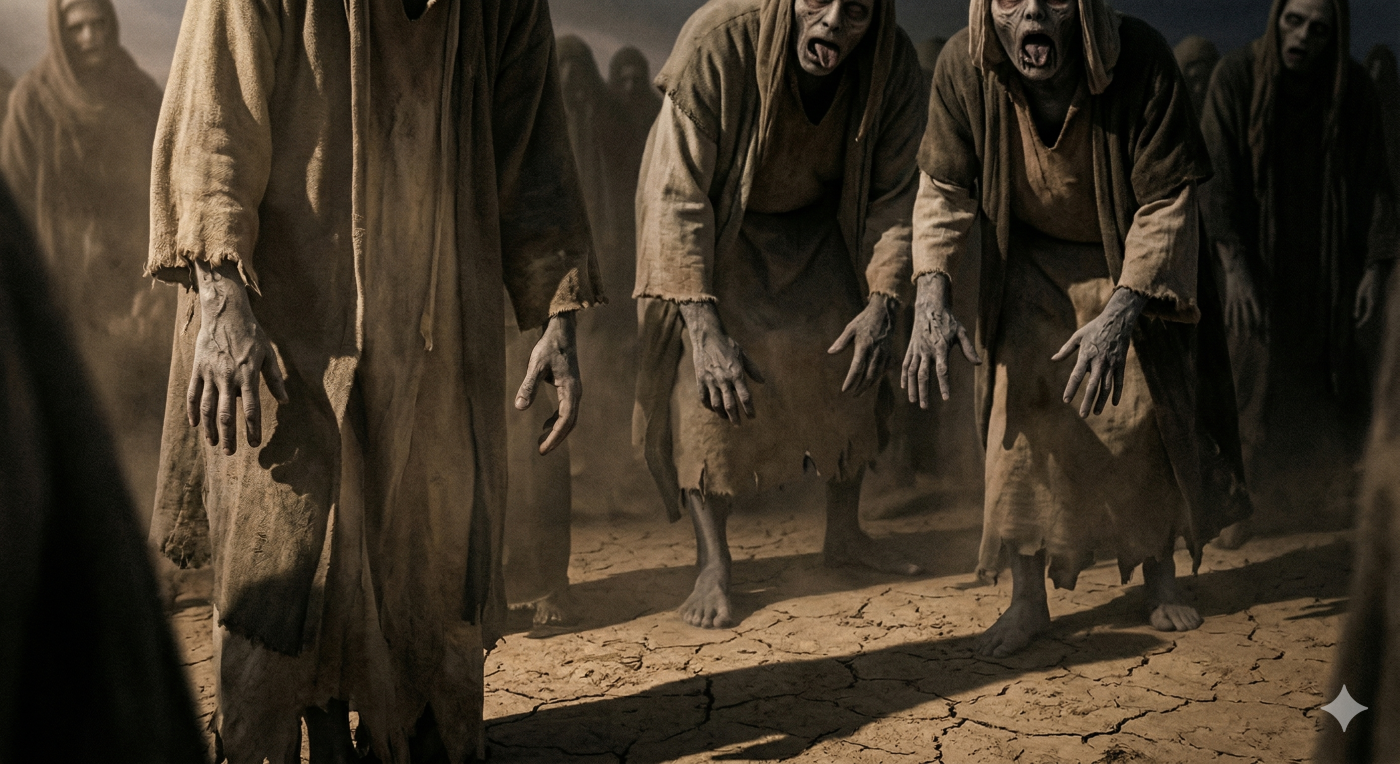
One of the most frequent passages cited when looking for Bible verses about zombies is found in the Old Testament book of Zechariah. Specifically, Zechariah 14:12 provides a description that sounds remarkably like a scene from a modern horror film:
"And this shall be the plague wherewith the Lord will smite all the people that have fought against Jerusalem; Their flesh shall consume away while they stand upon their feet, and their eyes shall consume away in their holes, and their tongue shall consume away in their mouth."
The visual here is haunting. Unlike a standard death where the body falls and then decomposes over time, this "plague" describes an instantaneous, standing decomposition. In the context of zombie lore, this mirrors the "shambling corpse" trope—the idea of a body that continues to move or stand even as the soft tissues and sensory organs liquefy and rot.
Theologically, this passage is part of a larger prophecy regarding the Day of the Lord and the judgment of nations that oppose God’s purposes. While many scholars view this as a literal physical plague or perhaps a description of the effects of advanced warfare, the imagery remains the closest biblical parallel to the physical state of a zombie.
The Jerusalem "Zombies": The Resurrection of the Saints in Matthew
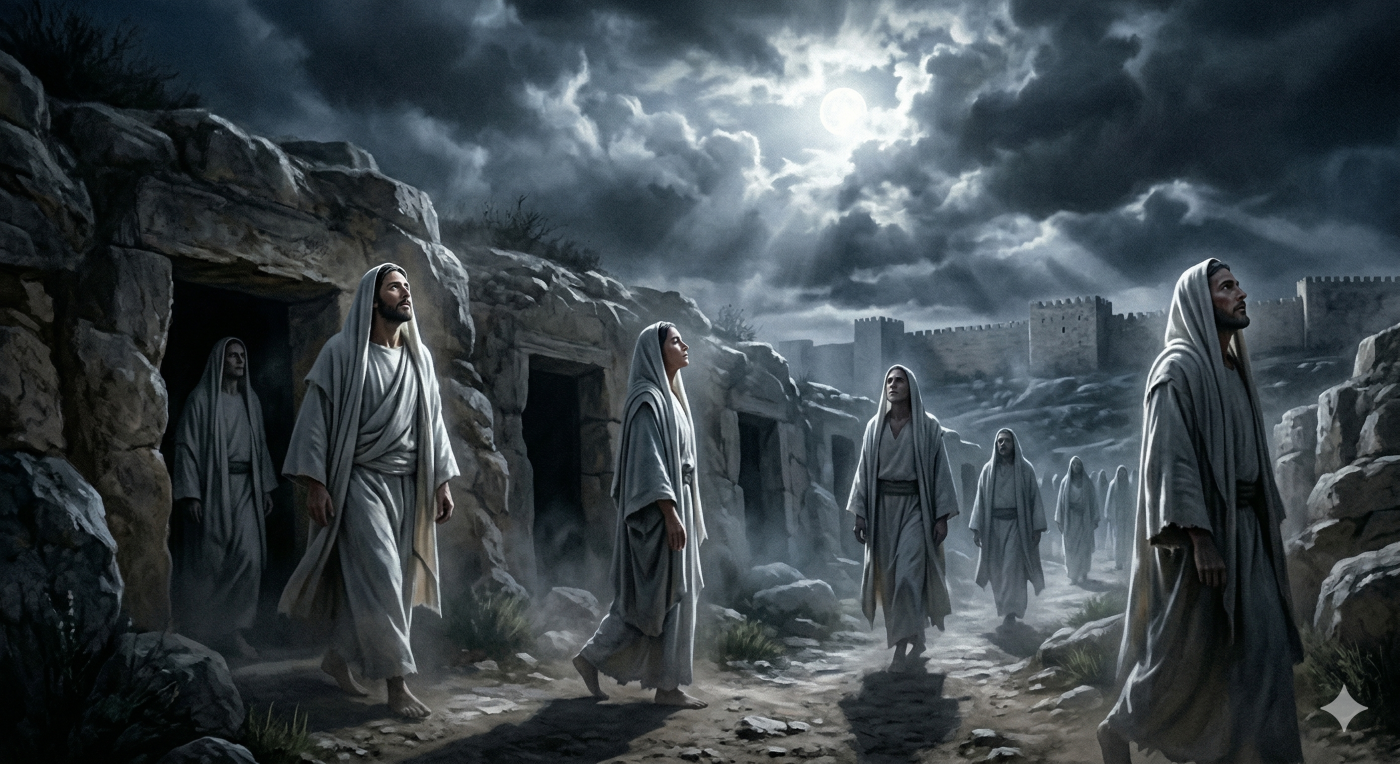
Perhaps the most startling event in the New Testament—one that is often overlooked in Sunday School—occurs immediately following the death of Jesus on the cross. In the Gospel of Matthew, we find an account that skeptics and enthusiasts alike often refer to as the "Jerusalem Zombie" passage.
Matthew 27:52-53 states: "And the graves were opened; and many bodies of the saints which slept arose, and came out of the graves after his resurrection, and went into the holy city, and appeared unto many."
When people search for Bible verses about zombies, this passage is often the primary focus of their curiosity. However, there is a vital theological distinction here. In zombie mythology, the undead are mindless, soulless, and driven by hunger. In Matthew’s account, these are "saints"—holy people—who were raised by the power of God.
This event served as a powerful sign of Christ’s victory over death. These individuals weren't "undead" in the sense of being monsters; they were part of a miraculous, temporary resurrection intended to testify to the divinity of Jesus. While they physically "rose from the tombs" and "walked into the city," their purpose was revelation, not predation.
The Valley of Dry Bones: A Vision of Reanimation
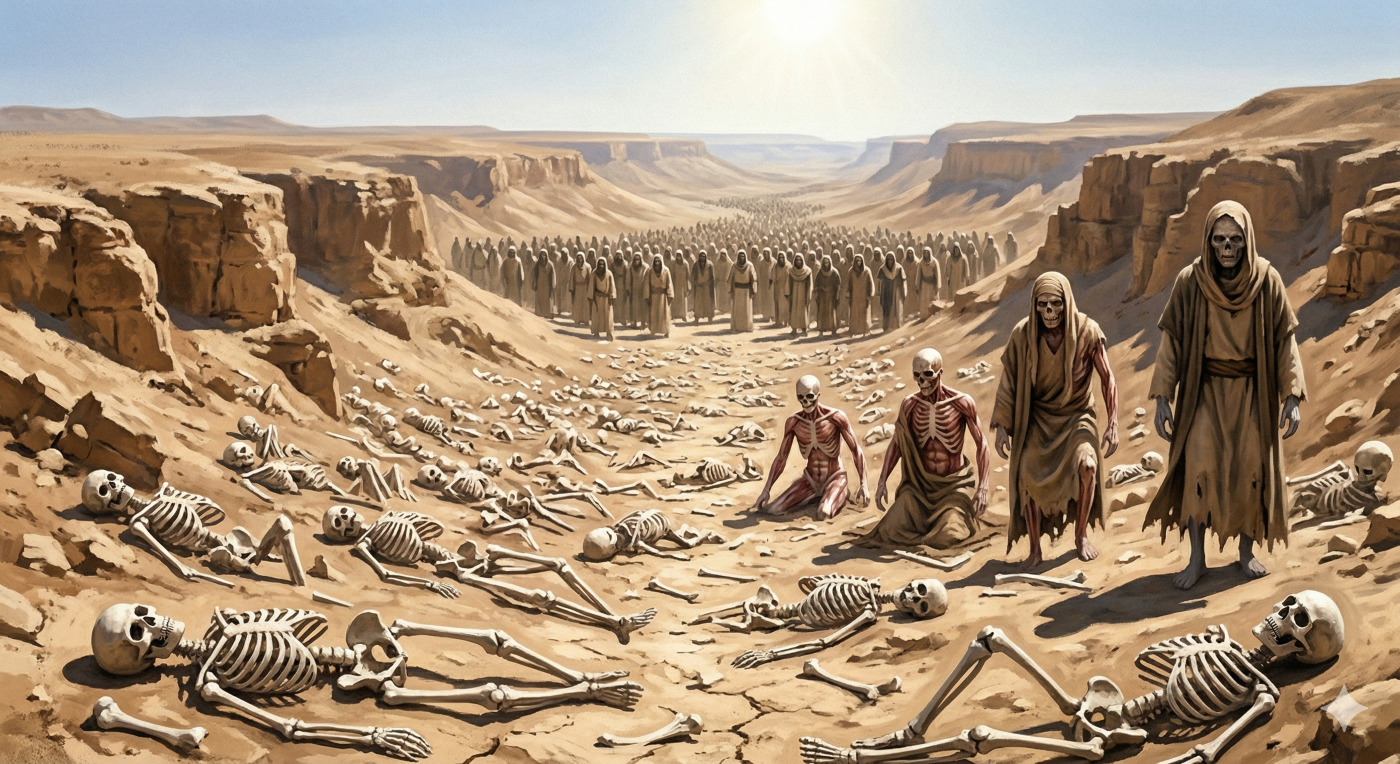
Ezekiel 37 contains one of the most famous visual sequences in the Bible: The Valley of Dry Bones. The prophet Ezekiel is taken by the Spirit to a valley filled with old, bleached bones. God asks him, "Can these bones live?"
As Ezekiel prophesies, a sound of rattling fills the air. The bones come together, sinews and flesh cover them, and skin wraps around the frames. In a matter of moments, a valley of skeletal remains becomes a "vast army." To a modern reader, the description of skeletons reassembling and being covered in flesh is a cornerstone of "undead" imagery.
However, the context of this passage is one of hope, not horror. The dry bones represented the nation of Israel, which felt its hope was lost and its spirit "dried up" during the Babylonian exile. The reanimation of these bodies was a metaphor for the spiritual and national restoration of God's people. It demonstrates God’s ability to bring life out of absolute death, showing that no situation is too far gone for His intervention.
Revelation 9:6: When Men Shall Seek Death
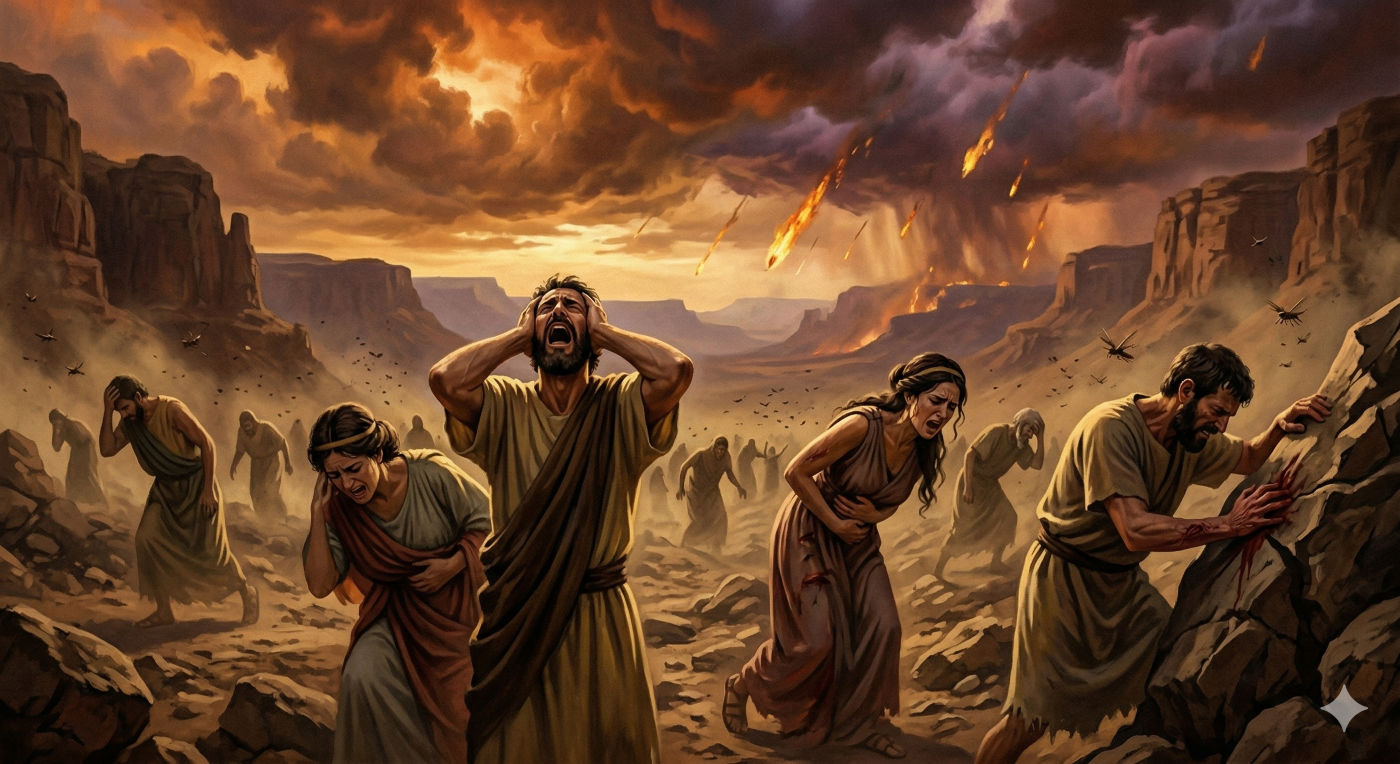
The Book of Revelation is known for its intense and terrifying apocalyptic imagery. During the sounding of the fifth trumpet, a unique and horrifying judgment is described. Revelation 9:6 says: "And in those days shall men seek death, and shall not find it; and shall desire to die, and death shall flee from them."
In the world of zombie fiction, the horror often comes from the fact that the "undead" cannot truly die; they are trapped in a state of eternal decay and hunger. This verse in Revelation describes a period where the "relief" of death is removed from humanity. People will be in such agony from the judgments falling upon the earth that they will attempt to end their lives, yet they will be supernaturally prevented from dying.
This creates a "zombie-like" existence: a state of being where a person is alive, yet suffering in a way that should be fatal. It is a reversal of the natural order and serves as a sobering warning about the gravity of the Great Tribulation.
Resurrection vs. Reanimation: The Vital Difference
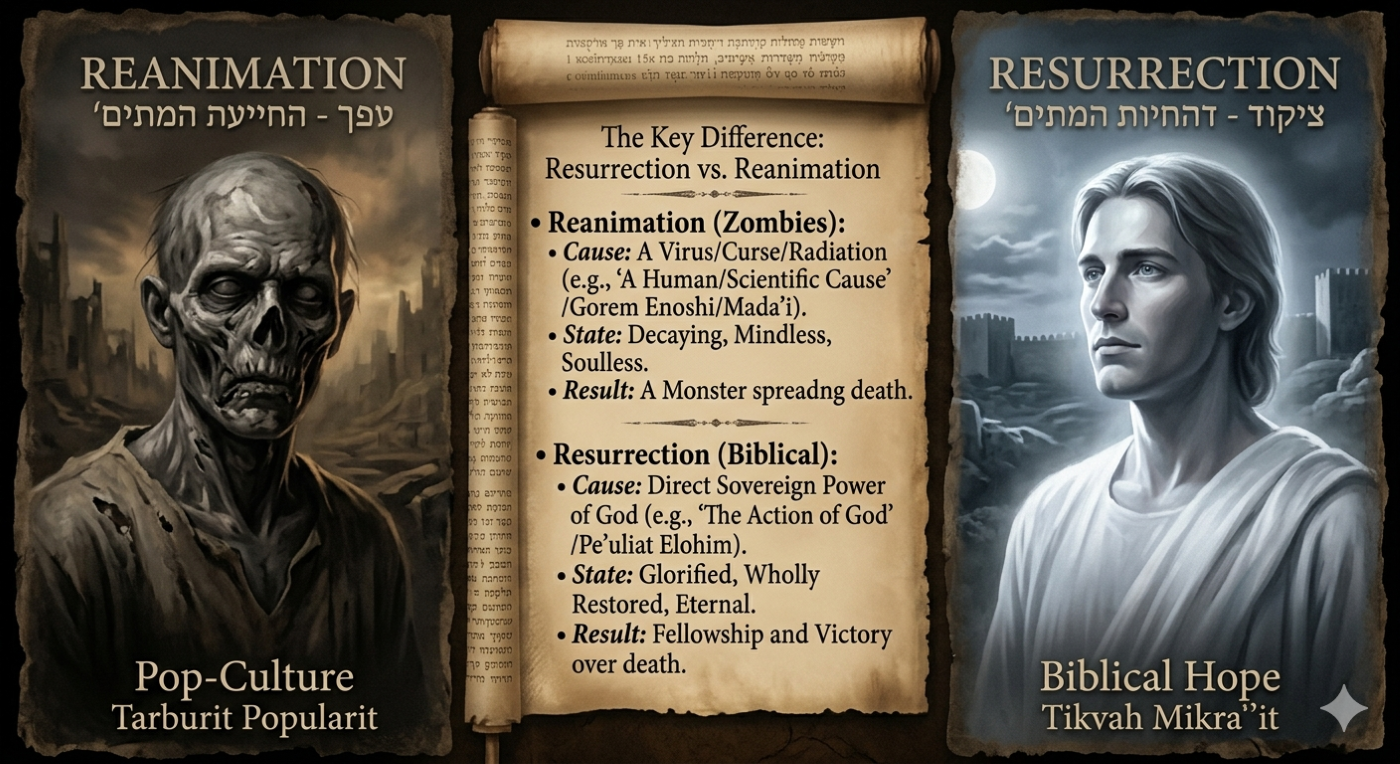
When exploring Bible verses about zombies, it is crucial to understand the difference between the biblical concept of Resurrection and the pop-culture concept of Reanimation.
Reanimation (Zombies):
- The Cause: Usually a virus, radiation, or a curse.
- The State: The body is decaying, mindless, and lacks a soul.
- The Result: A monster that brings destruction and spreads "death" to others.
Resurrection (Biblical):
- The Cause: The direct, sovereign power of God.
- The State: In the final resurrection, the body is "glorified"—it is no longer subject to decay, pain, or death (1 Corinthians 15).
- The Result: A restoration of the whole person (body and soul) to eternal life and fellowship with God.
The Bible does not focus on the "undead," but rather on the "brought to life." While the imagery in Zechariah or Revelation might feel like a horror movie, the overarching message of the Bible is that death is an enemy that has been defeated.
Final Thoughts on Bible Verses About Zombies and Eternal Hope
While searching for Bible verses about zombies might start as a fun curiosity or a way to connect pop culture with faith, it ultimately leads us to a much deeper conversation about the nature of life, death, and the afterlife.
The Bible acknowledges the reality of the grotesque and the terrifying. It does not shy away from describing the horrors of judgment or the strangeness of the supernatural. However, unlike a zombie story—which usually ends in a bleak "survival of the fittest" scenario—the Bible ends with the total abolition of death.
In Revelation 21:4, we are told that God will wipe away every tear, and there will be "no more death." This is the ultimate answer to the zombie myth. The "undead" are a shadow of our fear of death, but the "Resurrected" are a testament to our hope in Christ. Whether we are looking at the rotting flesh of Zechariah’s prophecy or the dry bones of Ezekiel’s vision, we see a God who has absolute authority over the grave.
If you are looking for more information on how the Bible describes the end times, or if you want to dive deeper into the mysteries of scripture, stay tuned to "An Unseen World" as we continue to bridge the gap between the visible and the eternal.
Deepen Your Study:
For a more technical look at the original Hebrew text describing the "plague" in Zechariah 14, you can explore the Strong's Concordance and Hebrew Lexicon for 'Magephah' (Plague) at Blue Letter Bible. This resource provides the linguistic roots for the unusual physical symptoms described in the prophecy.
Portals to the Paranormal: Decoding the Mysteries of the Spirit Realm
The curiosity surrounding the "undead" is often just the beginning of a much larger journey into the mysteries of our existence. If you found the biblical perspective on zombies intriguing, you will find even deeper insights in these related studies from An Unseen World:
- [Modern Alien Deception Explained]: If the "undead" are a physical anomaly, are "aliens" a spiritual one? Explore how modern sightings may actually be an ancient deception designed for the end times.
- [What Happens At Death?]: We’ve looked at the "undead," but what truly happens the moment a soul leaves the body? Separate folklore from the startling biblical truth about the afterlife.
- [Are Ghosts In The Bible?]: From the Witch of Endor to the disciples’ fears on the Sea of Galilee, discover what the Bible actually says about spirits walking the earth.
- [Can God Forgive A Murderer?]: The horror of the "undead" is nothing compared to the weight of real-world sin. Discover the limits of divine mercy and whether any soul is truly beyond saving.