What Are Angels? The Definitive Biblical Guide to the Heavenly Host
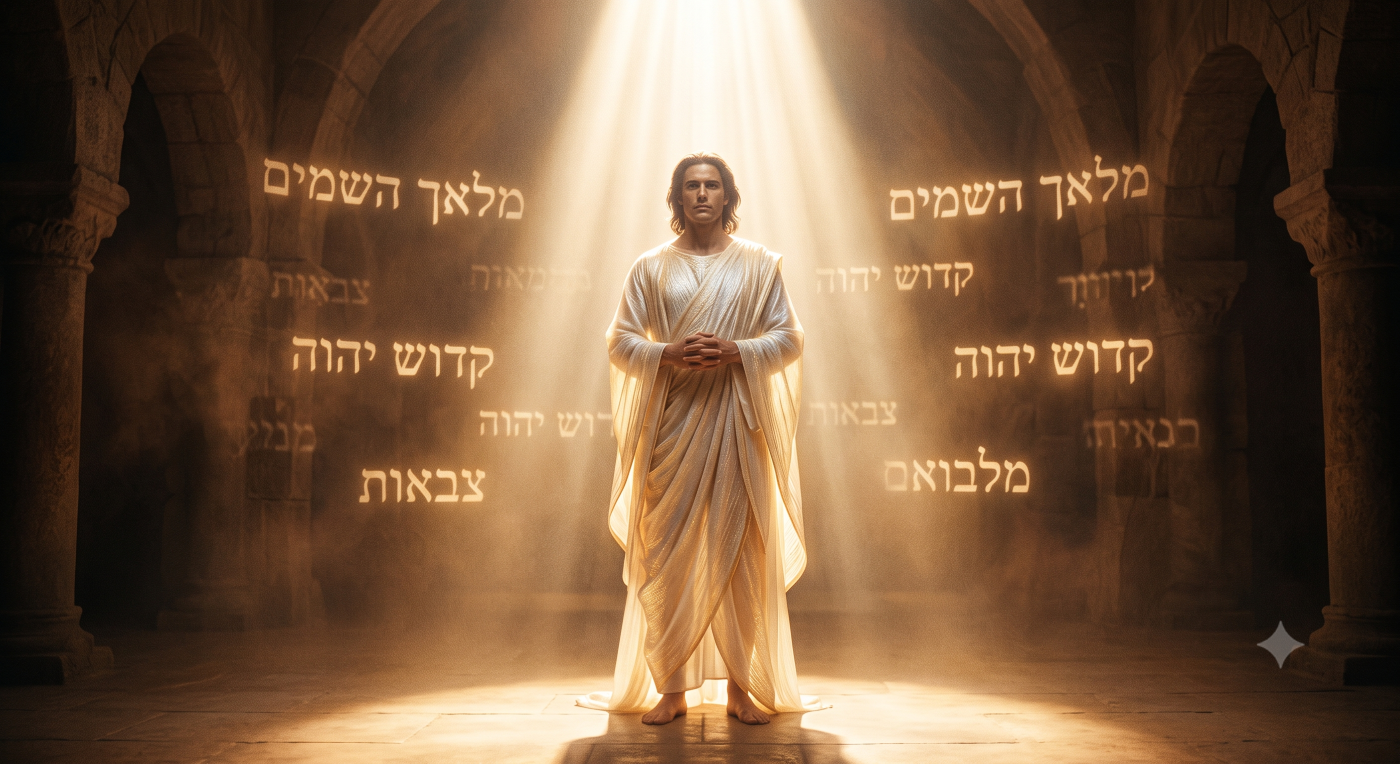
Angels are everywhere in modern culture. They look down from historical church ceilings, guard the dashboards of cars, and feature prominently in television shows, fantasy novels, and holiday decorations. Yet, when people ask What Are Angels? they often carry an image shaped far more by centuries of European art, folklore, and Hollywood scripts than by the actual text of the Bible. This cultural saturation has created a comfortable, romanticized view of these supernatural entities that frequently contradicts the gritty, majestic, and awe-inspiring reality presented in God's Word.
To truly understand What Are Angels?, we must first strip away the layers of human imagination and sentimental tradition. The Bible presents a sprawling, complex revelation of an invisible spiritual realm that exists alongside our physical universe. It describes a vast celestial assembly operating under perfect divine order. By diving deep into the Old and New Testaments, we can uncover the true nature, identity, and functions of these fascinating creations, separating the comforting myths of modern fol Human Traditions vs. Scripture: What Are Angels Not? klore from the profound truth of ancient scripture.
Human Traditions vs. Scripture: What Are Angels Not?
When trying to define What Are Angels?, we have to separate biblical fact from cultural fiction. Over the centuries, several massive misconceptions have become so deeply rooted in Western thought that they are widely accepted as theological truths. However, when we hold these traditions up to the light of the Bible, we find that scripture tells a completely different story.
The Wing Myth: Feathers vs. Reality

The most universal visual shorthand for an angel is a human figure clad in white with two massive, feathery bird wings. Yet, if you closely read the historical accounts throughout the Bible where standard angels interact with human beings, there is absolutely no mention of wings.
Whenever God sends an angel to deliver a message on earth, they consistently appear in the form of ordinary men. They look so entirely human that people frequently interact with them for hours without realizing they are speaking to a celestial being.
- In Genesis 18, Abraham welcomes three travelers, prepares a meal for them, and watches them eat. Two of these "men" are later revealed to be angels on their way to Sodom.
- In the New Testament, the author of Hebrews reminds believers to practice hospitality, noting that by doing so, "some have entertained angels unawares" (Hebrews 13:2). If angels walked around with massive wings, it would be impossible to entertain them without noticing.
- At the resurrection of Jesus, Luke 24:4 describes "two men stood by them in shining garments," and Mark 16:5 describes "a young man sitting on the right side, clothed in a long white garment."
While specific heavenly creatures like Cherubim and Seraphim are described as having wings within symbolic prophetic visions, the common biblical angel sent to minister to humans does not possess them. They are spiritual beings who can manifest physically, perfectly mimicking human form without the need for avian appendages.
The Human Metamorphosis Myth: Do We Become Angels?
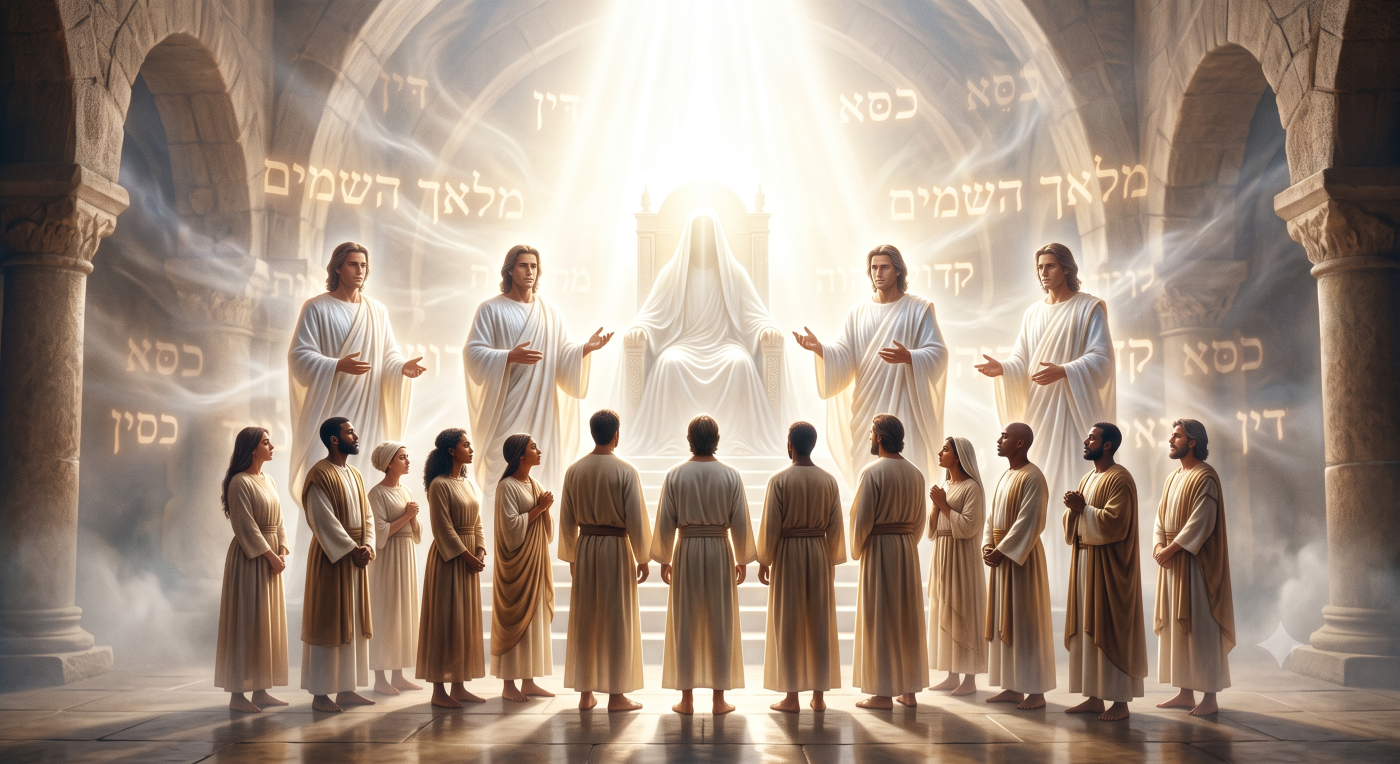
Perhaps the most widespread and emotionally driven myth is the belief that when a human being dies, particularly a child or a deeply pious person, they "gain their wings" and transform into an angel in heaven. While this sentiment is frequently used to comfort grieving families, it is completely unbiblical and misrepresents God's distinct designs for creation.
Humans and angels are entirely separate categories of being, created at different times for entirely different purposes.
- The Blueprint of Creation: Genesis 1:26 makes it clear that human beings are uniquely created in the image and likeness of God. Angels are never described this way. They are holy, powerful servants, but they do not bear the divine image that defines humanity.
- The Destiny of Believers: Rather than humans evolving into angels, the New Testament reveals that born-again believers are actually destined for a position of higher spiritual authority than the heavenly host.
The Apostle Paul addresses the church in Corinth regarding internal disputes by revealing a staggering truth about our future status in eternity: "Do you not know that we shall judge angels?" (1 Corinthians 6:3). This specific judgment refers to the fallen angels who rebelled against God alongside Satan. If humans turned into angels upon death, it would make no theological sense for believers to sit in judgment over them. We do not become them; rather, we are co-heirs with Christ, set apart for a distinct eternal glory that angels look upon with intense fascination (1 Peter 1:12).
The Created Nature: What Are Angels According to the Bible?
The core scriptural truth answering What Are Angels? is found in the very words used to name them by the ancient biblical authors. In the Hebrew Old Testament, the word is mal'akh, and in the Greek New Testament, it is angelos. Both of these terms translate literally to English as "messenger." The title does not describe their biological or metaphysical makeup; it describes their job function. They are God's official emissaries, heralds, and agents executing His commands across the cosmos.
Their Attributes and Limitations
Scripture defines these messengers as created, immortal, incorporeal, and highly intelligent spirits.
- They are Created Beings: Angels have not existed from all eternity. Colossians 1:16 states that through Jesus Christ, "all things were created that are in heaven and that are on earth, visible and invisible, whether thrones or dominions or principalities or powers." They were brought into existence by God, likely prior to the creation of the physical earth (Job 38:7). Because they are creatures, they are strictly dependent on God and are never to be worshiped (Revelation 22:8-9).
- They are Spiritual Entities: Hebrews 1:14 defines them as "ministering spirits." They are not bound by physical bodies, gravity, or material constraints unless they choose to manifest a physical form. Luke 20:36 also notes that they are immortal and do not experience death.
- They are Limited: Though they possess vast knowledge and immense physical strength—often destroying entire armies or breaking iron chains in a moment—they are neither all-knowing (omniscient) nor all-powerful (omnipotent). Jesus explicitly stated that angels do not know the exact day or hour of His return (Matthew 24:36). They are finite beings operating strictly within the boundaries of God's sovereign permissions.
The Dual Purpose of the Heavenly Host
If we ask What Are Angels? in terms of their day-to-day operations, the Bible divides their eternal responsibilities into a beautiful, dual-focused ministry: upward toward God in worship, and downward toward humanity in service.
☝️ Upward Ministry
Worship & Divine Service
- Surround the throne of God in continuous adoration.
- Proclaim the absolute holiness and glory of the Creator.
- Execute divine judgments and carry out decrees across the universe.
👇 Downward Ministry
Service & Protection for Humanity
- Deliver critical messages and guide individuals in divine timing.
- Protect, deliver, and guard God's people from harm.
- Minister directly to those who will inherit eternal salvation.
Upward Ministry: Worship and Divine Service
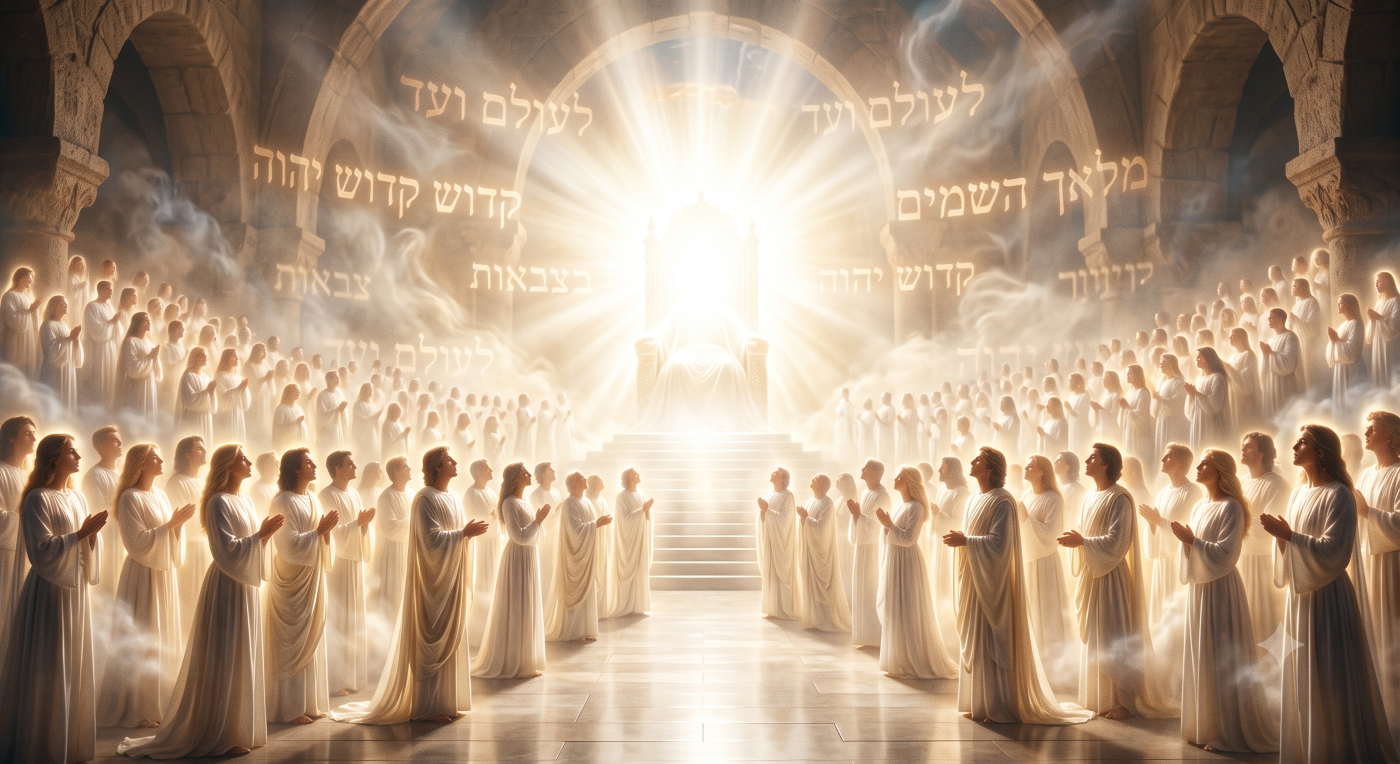
The primary environment of the heavenly host is the throne room of God. Their first and highest calling is to gaze upon the glory of the Creator and pour out ceaseless adoration. In Isaiah 6, we get a glimpse of the heavenly court where celestial beings cry out, "Holy, holy, holy is the Lord of hosts; the whole earth is full of His glory!" Revelation 5:11-12 describes a crowd numbering "ten thousand times ten thousand, and thousands of thousands" surrounding the throne, declaring the worthiness of the Lamb. Beyond worship, they serve as God's administrative agents, carrying out His decrees, governing aspects of creation, and acting as instruments of His divine judgment against wickedness.
Downward Ministry: Protecting and Ministering to Believers
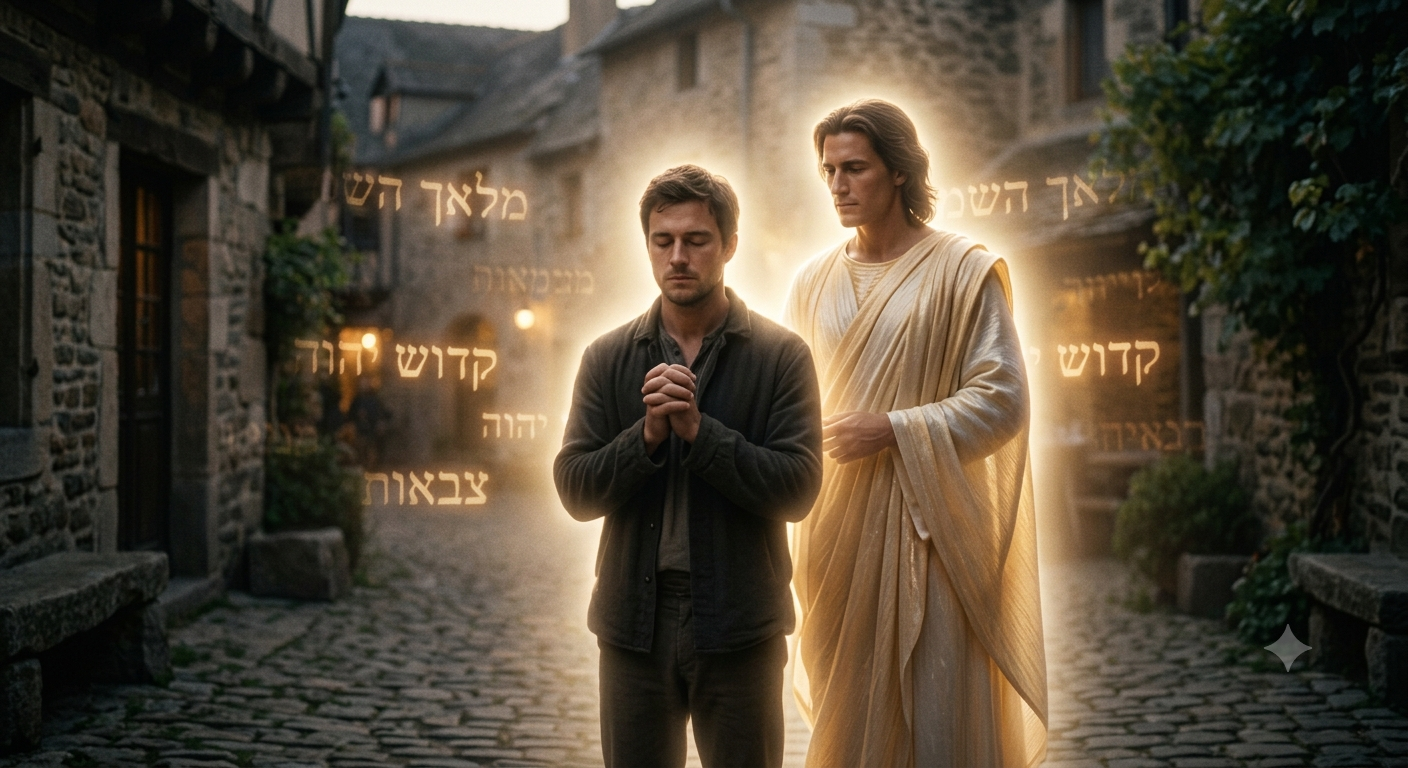
The second dimension of their purpose directly impacts our lives on earth. God utilizes His heavenly army to actively watch over, defend, and assist those who love Him. Hebrews 1:14 asks a rhetorical question that outlines this comfort clearly: "Are they not all ministering spirits sent forth to minister for those who will inherit salvation?"
Throughout scripture, we see them stepping into the physical realm to protect God's people. They shut the mouths of lions for Daniel, break Peter out of a heavily guarded Roman prison, guide Philip to an evangelistic encounter in the desert, and stand beside Paul during a terrifying shipwreck. Psalm 91:11-12 promises that God "shall give His angels charge over you, to keep you in all your ways," ensuring that believers are constantly surrounded by an invisible, proactive security detail operating under heaven's orders.
Heavenly Ranks and Duties: What Are Angels' Roles and Types?
When studying What Are Angels? from a structural perspective, we quickly discover that the heavenly host is not a monotonous, uniform crowd. The Bible portrays heaven as a highly organized, structured kingdom featuring distinct orders, ranks, and classifications of spiritual beings. Phrases like "principalities and powers" or "thrones and dominions" hint at a sophisticated celestial hierarchy.
The Three Distinct Classes Named in Scripture
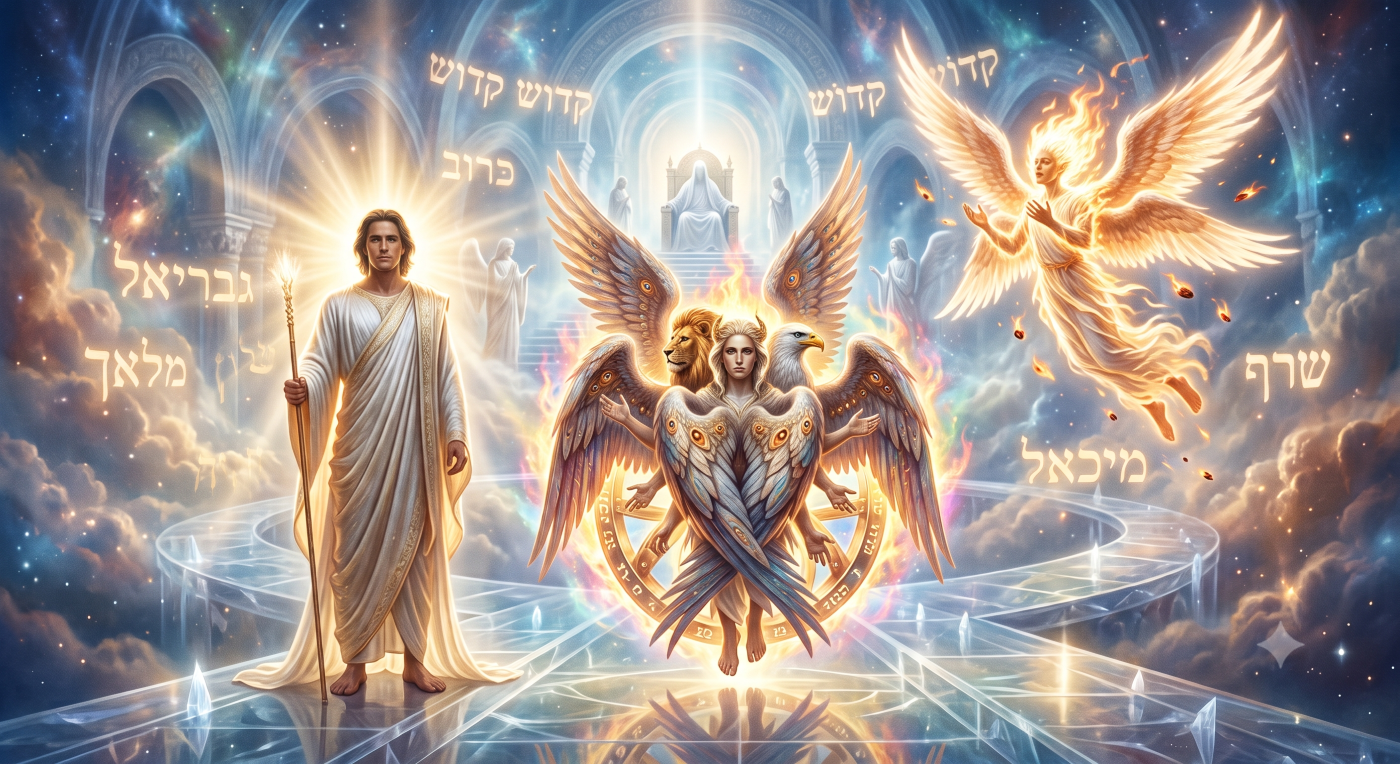
The Named Messengers and the Innumerable Multitude
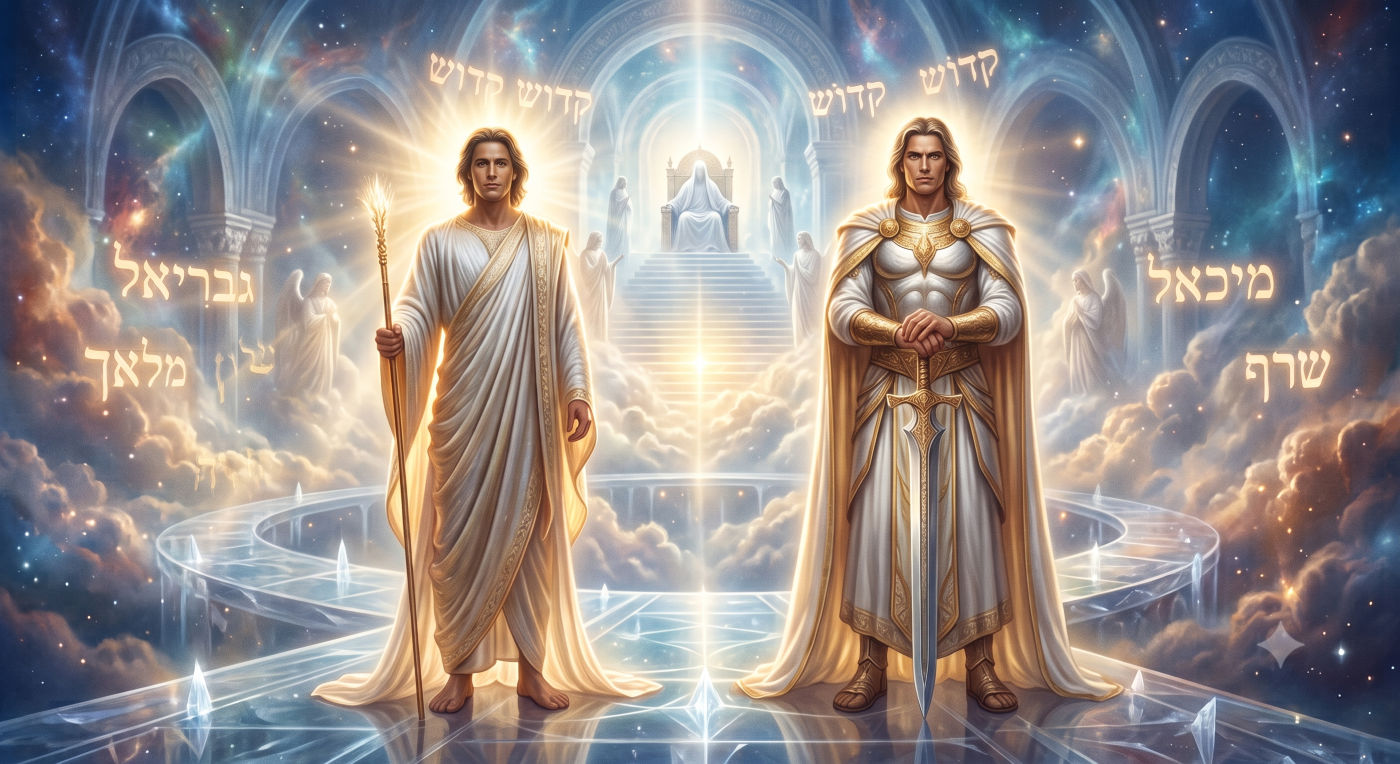
Despite the billions of spiritual beings that make up the armies of God, the Bible is remarkably reserved when it comes to giving us individual names. This is likely an intentional safeguard to prevent humans from obsessing over, cataloging, or inappropriately worshiping these creatures. In fact, throughout the entire canon of faithful scripture, only two unfallen angels are ever explicitly named:
- Michael (The Warrior-Prince): His name is a battle cry in Hebrew, meaning "Who is like God?" Michael is portrayed as the ultimate defender of God's people. In Daniel 10, he arrives to fight through demonic blockades to ensure a prophecy is delivered. In Jude 9, he contends with the devil over the body of Moses. In Revelation 12, Michael leads the heavenly armies in a cataclysmic war that successfully casts Satan out of heaven completely.
- Gabriel (The High Messenger): His name means "God is my strength." While Michael is the warrior, Gabriel is the ultimate communicator of redemptive history. He appears to the prophet Daniel to reveal the complex timeline of the future Messiah. In the New Testament, Gabriel breaks centuries of divine silence by appearing to Zechariah to announce the birth of John the Baptist, and later visits a young virgin named Mary in Nazareth to deliver the most monumental news in human history: that she would give birth to Jesus, the Son of the Highest.
Aside from Michael and Gabriel, the Bible leaves the rest of the heavenly host anonymous, referring to them collectively as an "innumerable company" (Hebrews 12:22) or "legions" ready to deploy at a word from the Father (Matthew 26:53).
By anchoring our understanding in these explicit scriptural truths, we can safely bypass the misleading myths of culture. We can see angels for what they truly are: not soft, winged cartoon characters or transformed human souls, but majestic, highly organized, and fiercely powerful spiritual servants who spend eternity magnifying the name of God and tirelessly watching over the saints on earth.
Topical Index of Angels in Scripture — Bible Gateway →
If you want to read through every specific cross-reference, historical event, and mention of heavenly messengers throughout the Old and New Testaments, explore this comprehensive topical scriptural index.
Related Biblical Studies: Digging Deeper Into the Spiritual Realm
Expanding your understanding of the spiritual realm and God's divine plan requires looking at how different biblical truths interconnect. To help you go deeper into scriptural history, theology, and prophecy, explore these foundational studies:
- The Doctrine of Grace – Discover the profound biblical framework of God's unmerited favor, exploring how salvation is entirely a gift of divine grace rather than human effort.
- The Dangers of Channeling Spirits – While holy messengers serve God's will, scripture strictly warns against humanity attempting to initiate contact with the spirit world. Learn the spiritual realities and biblical warnings behind channeling and mediumship.
- What Is Heaven Like? – Take an in-depth, scriptural tour of the celestial realm. Explore what the Bible actually reveals about the throne room of God, the eternal home of believers, and the environment where the heavenly host dwells.
- The Battle of Armageddon – Dive into end-times prophecy to understand the ultimate, climactic conflict between the forces of light and darkness, and the final triumph of Jesus Christ.


